Bali's Cultural Preservation Efforts Gain Momentum Amidst Modernization
Bali launches a comprehensive five-year cultural preservation program, allocating 50 billion IDR to fund festivals, temple restorations, and arts education, aiming to safeguard its heritage against the pressures of mass tourism and modernization. Governor I Wayan Koster emphasizes that culture is the island's identity, while community leaders and critics alike call for a balanced approach to development.
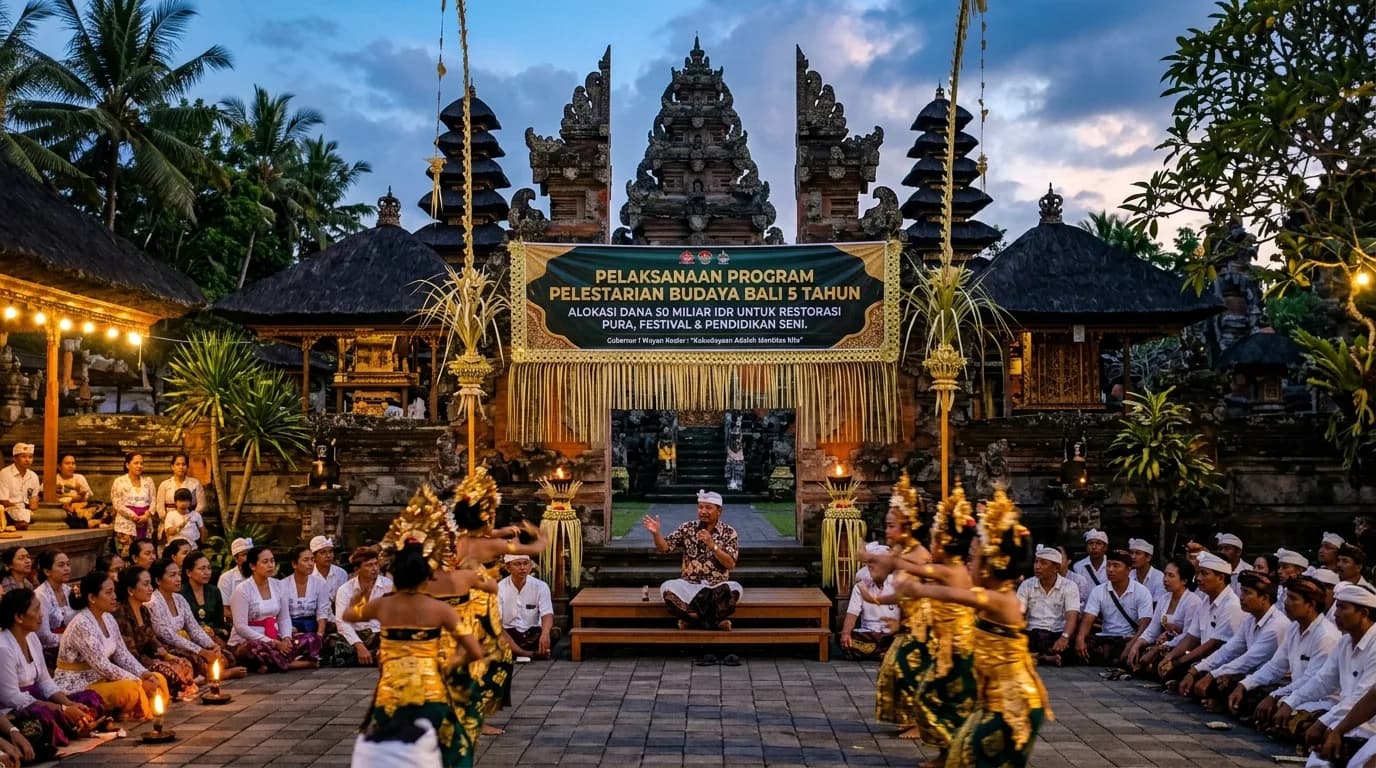
In a decisive move to safeguard its cultural identity, Bali's provincial government, in partnership with community leaders and cultural organizations, has unveiled a sweeping series of initiatives aimed at preserving the island's rich heritage. The programs, announced this month in Denpasar, come as a direct response to mounting concerns over cultural erosion driven by surging tourism and rapid modernization, particularly in hotspots like Canggu and Uluwatu.
Funding and Scope
The cornerstone of the initiative is a substantial budget allocation of 50 billion Indonesian rupiah (approximately $3.2 million), which will be disbursed over the next five years. The funds are earmarked for a wide range of activities, including the revitalization of traditional cultural festivals, the restoration of ancient temples, and the integration of Balinese arts into school curricula. The government envisions a phased rollout, with the first projects scheduled to commence before the end of this year.
Governor I Wayan Koster, speaking at a press conference in Denpasar, underscored the urgency of the effort. “Our culture is our identity, and it is crucial that we preserve it for future generations,” he said. “These initiatives are not merely about maintaining traditions; they are about ensuring that Bali remains Bali, even as we embrace the opportunities of the modern world.”
Local artist and cultural activist Ni Luh Made echoed the governor's sentiments, highlighting the direct impact on the island's creative community. “These initiatives will provide much-needed support to artisans and help keep our traditions alive,” she said. “For years, many of us have struggled to compete with mass-produced souvenirs and the commercialization of our rituals. This funding will allow us to invest in our craft and pass on our skills to the next generation.”
Balancing Tourism and Tradition
Bali has experienced a tourism boom over the past two decades, establishing itself as one of Southeast Asia's most sought-after destinations. In 2019, the island welcomed over 6 million foreign visitors, a figure that has continued to climb as global travel rebounds. While this influx has brought economic prosperity, it has also raised alarm bells over cultural dilution. Traditional ceremonies are increasingly staged for tourist consumption, and once-sacred sites have become commercialized selfie spots.
In response, local communities have been advocating for stronger protective measures. The new initiatives aim to strike a balance, promoting tourism that respects and celebrates Balinese culture rather than exploiting it. By funding authentic cultural experiences, the government hopes to attract a new segment of travelers—those seeking meaningful engagement with local traditions rather than superficial encounters.
The economic implications are significant. The projects are expected to create jobs in the arts, crafts, and hospitality sectors, providing a livelihood for thousands of families. Artisans, dancers, musicians, and temple caretakers will all benefit from the increased investment. Moreover, the restoration of ancient temples is likely to draw heritage-minded tourists, further diversifying Bali's visitor base.
Voices of Caution
However, not everyone is convinced that the focus on preservation is the right path forward. Critics argue that prioritizing cultural conservation could impede economic growth and infrastructure development, particularly in areas where modern amenities are still lacking. Ketut Suardana, a local business owner in Canggu, voiced this concern. “We must find a balance between preserving our heritage and embracing modernization,” he said. “Tourism is our lifeline, and if we become too restrictive, we risk falling behind other destinations in the region.”
Suardana's viewpoint reflects a broader tension that many Balinese face: how to benefit from globalization without losing their cultural soul. The government acknowledges this delicate balancing act. “We are not against development,” Governor Koster clarified. “But development must be sustainable and respectful of our values. We want to grow, but not at the cost of what makes us unique.”
Looking Ahead
As Bali navigates these complex challenges, the success of the cultural preservation efforts will hinge on active participation from both the local community and the government. The initiative includes provisions for community consultations, ensuring that residents have a voice in how the funds are allocated. Schools will also play a pivotal role, with new curricula designed to teach children about traditional dance, music, and crafts from an early age.
The first projects are expected to break ground within the next six months, with a focus on the most at-risk heritage sites. Among these is the ancient Pura Luhur Uluwatu Temple, which has suffered from erosion and overcrowding. Restoration work will not only preserve the structure but also enhance the visitor experience, with educational signage and guided tours led by local historians.
If successful, Bali could emerge as a global model for sustainable development that harmonizes progress with cultural integrity. The island's ability to adapt will be watched closely by other tourist-dependent regions grappling with similar issues. For now, the mood in Denpasar is cautiously optimistic. “We have the will, the resources, and the community support,” said Made. “Now we must deliver.”

Read Also from Other Categories

Emerging Trends in Bali's Adventure Tourism: Thrilling New Experiences Await
Bali's adventure tourism sector is rapidly evolving, offering visitors thrilling experiences that go beyond traditional attractions. From canyoning in Ubud to zip-lining in Gianyar, the island is becoming a hub for adrenaline seekers and nature enthusiasts alike.

Local Farmers Rally for Support Amid Bali's Agricultural Policy Shift
As Bali's provincial government implements new agricultural policies, local farmers express concerns over their livelihoods. The shift aims to modernize practices but raises questions about sustainability and community impact.

Investors Shift Focus to Bali's Innovative Aquaculture Ventures in 2023
Bali's aquaculture sector has seen a remarkable 35% increase in investment this year, attracting both local and international funding. The surge is driven by a growing demand for sustainable seafood and innovative farming techniques.

Canggu Residents Alarmed by Rising Incidents of Coastal Erosion
As Canggu's picturesque coastline faces increasing erosion, local residents and businesses express urgent concerns. The ongoing erosion threatens homes, livelihoods, and the area's renowned tourism appeal.
Bali's New Career Hub: Empowering Local Job Seekers with Innovative Training
Bali's job seekers are gaining new opportunities through a strategic partnership between local businesses and vocational training centers. This initiative aims to equip the workforce with essential skills to meet the demands of a rapidly changing job market.
Navigating Bali's Evolving Social Landscape: Challenges and Opportunities
As Bali grapples with increasing social disparities, experts urge a reevaluation of community policies. Understanding these shifts is crucial for fostering a more equitable future for all residents.
Comments (0)
No comments yet. Be the first!