Bali's Culinary Tourism: A New Frontier for Local Experiences
Bali's culinary tourism is gaining momentum as visitors increasingly seek authentic dining experiences. From local markets to high-end restaurants, this trend is reshaping the island's tourism landscape.
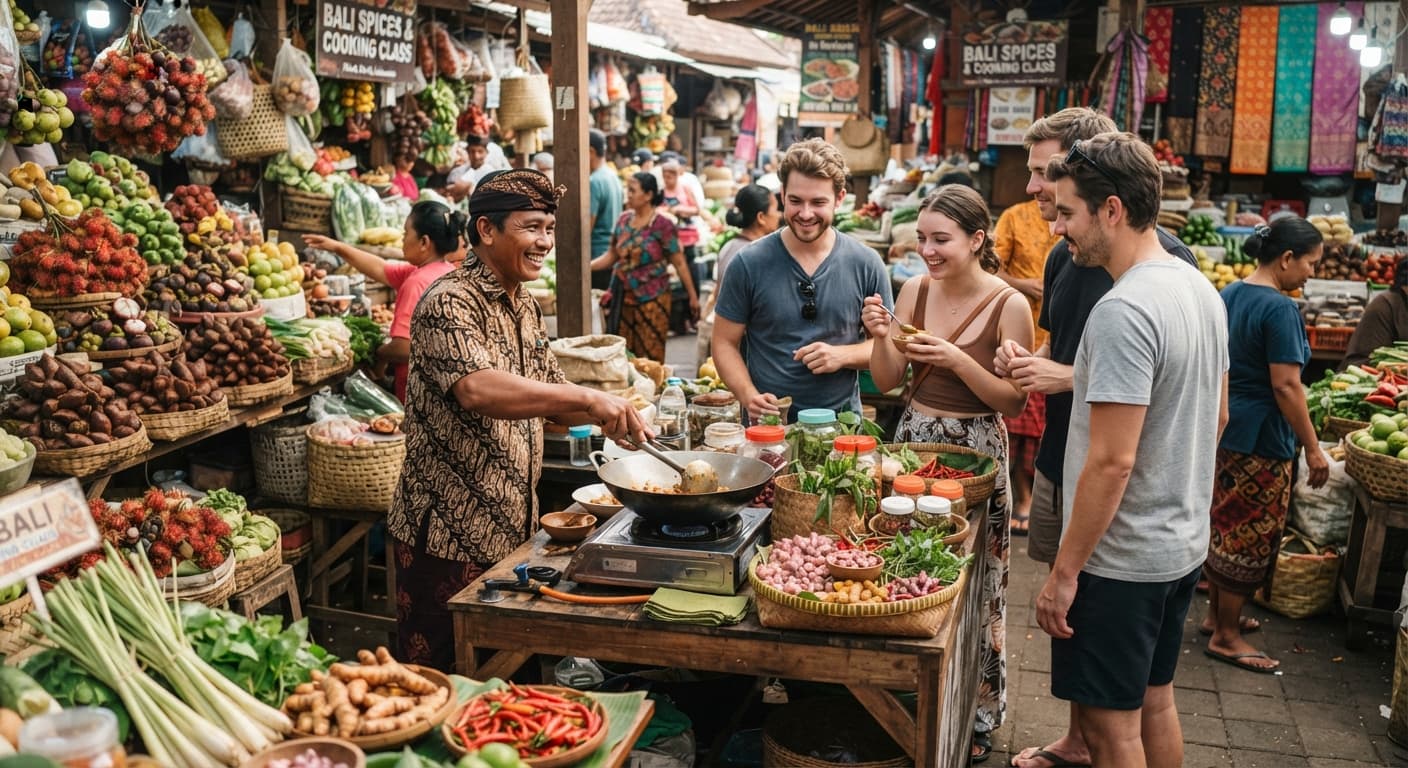
Bali's tourism sector is witnessing a significant shift as culinary experiences emerge as a key attraction for both international visitors and locals. With an increasing number of tourists seeking authentic, local flavors, the island is redefining its gastronomic offerings, blending traditional Balinese cuisine with modern culinary practices.
In 2024, culinary tourism is projected to account for over 30% of Bali's overall tourism revenue, according to the Bali Tourism Board. This growth is driven by an influx of food enthusiasts eager to explore the island's rich culinary heritage. Many travelers are now opting for food tours, cooking classes, and farm-to-table experiences, allowing them to engage with local culture in a unique way.
The trend is evident in popular tourist areas such as Seminyak and Ubud, where culinary festivals have become regular events. The Ubud Food Festival, for instance, celebrates local ingredients and features renowned chefs who showcase their skills through interactive cooking demonstrations and tastings. This year's festival attracted over 15,000 attendees, highlighting the growing interest in Bali's culinary scene.
Restaurants across the island are also adapting to this trend by sourcing ingredients from local farmers and promoting traditional Balinese dishes. A notable example is Warung Babi Guling Ibu Oka, famous for its suckling pig. The restaurant has experienced a surge in visitors, with lines often extending down the street, reflecting the demand for authentic local cuisine.

In addition to traditional offerings, innovative concepts are emerging. Culinary entrepreneurs are blending Balinese flavors with global cuisines, resulting in unique dishes that appeal to diverse palates. This fusion approach is evident at establishments like Locavore in Ubud, which focuses on using locally sourced ingredients to create contemporary dishes that reflect Bali's culinary diversity.
The rise of social media has further fueled interest in Bali's culinary offerings. Influencers and food bloggers are showcasing their dining experiences, creating a buzz that draws even more visitors to the island. Restaurants are leveraging this trend by hosting influencer events and crafting visually appealing dishes designed for social media sharing.
However, this trend does not come without challenges. As demand for culinary experiences grows, there is a risk of over-commercialization, which could dilute the authenticity of traditional dishes. Local chefs and restaurateurs are advocating for a balance between preserving culinary heritage and meeting the expectations of a modern market.

The Bali government is also recognizing the potential of culinary tourism. Initiatives to promote local produce and support small-scale farmers are being implemented, ensuring that the economic benefits of this trend are felt throughout the community. The Head of the Bali Tourism Board, I Made Mahendra, emphasized the importance of sustainability in this growth, stating, "We must ensure that culinary tourism supports local farmers and preserves our cultural heritage while providing visitors with unforgettable experiences."
Looking ahead, the future of culinary tourism in Bali appears promising. As more tourists seek immersive experiences, restaurants and local markets are expected to innovate and adapt, ensuring that Bali remains a culinary destination of choice. This evolution not only enhances the visitor experience but also contributes to the economic resilience of local communities, making culinary tourism a vital component of Bali's tourism landscape.



Read Also from Other Categories

Local Farmers Rally for Support Amid Bali's Agricultural Policy Shift
As Bali's provincial government implements new agricultural policies, local farmers express concerns over their livelihoods. The shift aims to modernize practices but raises questions about sustainability and community impact.

Investors Shift Focus to Bali's Innovative Aquaculture Ventures in 2023
Bali's aquaculture sector has seen a remarkable 35% increase in investment this year, attracting both local and international funding. The surge is driven by a growing demand for sustainable seafood and innovative farming techniques.

Canggu Residents Alarmed by Rising Incidents of Coastal Erosion
As Canggu's picturesque coastline faces increasing erosion, local residents and businesses express urgent concerns. The ongoing erosion threatens homes, livelihoods, and the area's renowned tourism appeal.

Community-Led Initiatives Foster Urban Infrastructure Growth in Denpasar
Residents of Denpasar are taking the lead in improving urban infrastructure through collaborative projects. Local government support amplifies these initiatives, aiming to enhance the city's livability amidst rapid urbanization.
Bali's New Career Hub: Empowering Local Job Seekers with Innovative Training
Bali's job seekers are gaining new opportunities through a strategic partnership between local businesses and vocational training centers. This initiative aims to equip the workforce with essential skills to meet the demands of a rapidly changing job market.

Navigating Bali's Evolving Social Landscape: Challenges and Opportunities
As Bali grapples with increasing social disparities, experts urge a reevaluation of community policies. Understanding these shifts is crucial for fostering a more equitable future for all residents.
Comments (0)
No comments yet. Be the first!