Bali's Creative Economy: Training Programs Ignite New Job Opportunities
Bali is witnessing a surge in creative job opportunities as training programs expand across the island. With a focus on arts, design, and digital skills, these initiatives aim to equip the local workforce for a vibrant future.

As the sun dipped below the horizon, casting a golden glow over the bustling streets of Canggu, a group of young aspiring artists gathered in a cozy co-working space. The sound of laughter and animated conversations filled the air as they eagerly discussed their plans for the upcoming art exhibition. This vibrant scene is just one reflection of Bali's growing creative economy, which is rapidly becoming a cornerstone of employment opportunities on the island.
The rise of Bali's creative sector can be attributed to a series of innovative training programs launched by local organizations and educational institutions. These initiatives aim to harness the island's rich cultural heritage while equipping the workforce with modern skills needed for today's digital landscape. From graphic design and digital marketing to photography and traditional crafts, there is a plethora of options available for those looking to carve out a niche in the creative field.
One notable program is the "Bali Creative Hub," a collaborative effort between the Bali Government and local NGOs. Launched in early 2023, this initiative offers workshops and mentorship opportunities for aspiring creatives. Participants can learn from industry experts, gain hands-on experience, and even showcase their work at local events. This program has already seen a significant turnout, with over 200 individuals enrolled in various courses as of October 2023.
In addition to formal training programs, Bali's creative economy is also being fueled by a growing number of job fairs and networking events. Recently, the Bali Creative Economy Festival attracted over 1,500 participants, bringing together job seekers, employers, and creative professionals. The festival featured panel discussions, live demonstrations, and a marketplace for local artisans, showcasing the diverse talents that Bali has to offer. Attendees left with valuable connections and insights into the flourishing job market.
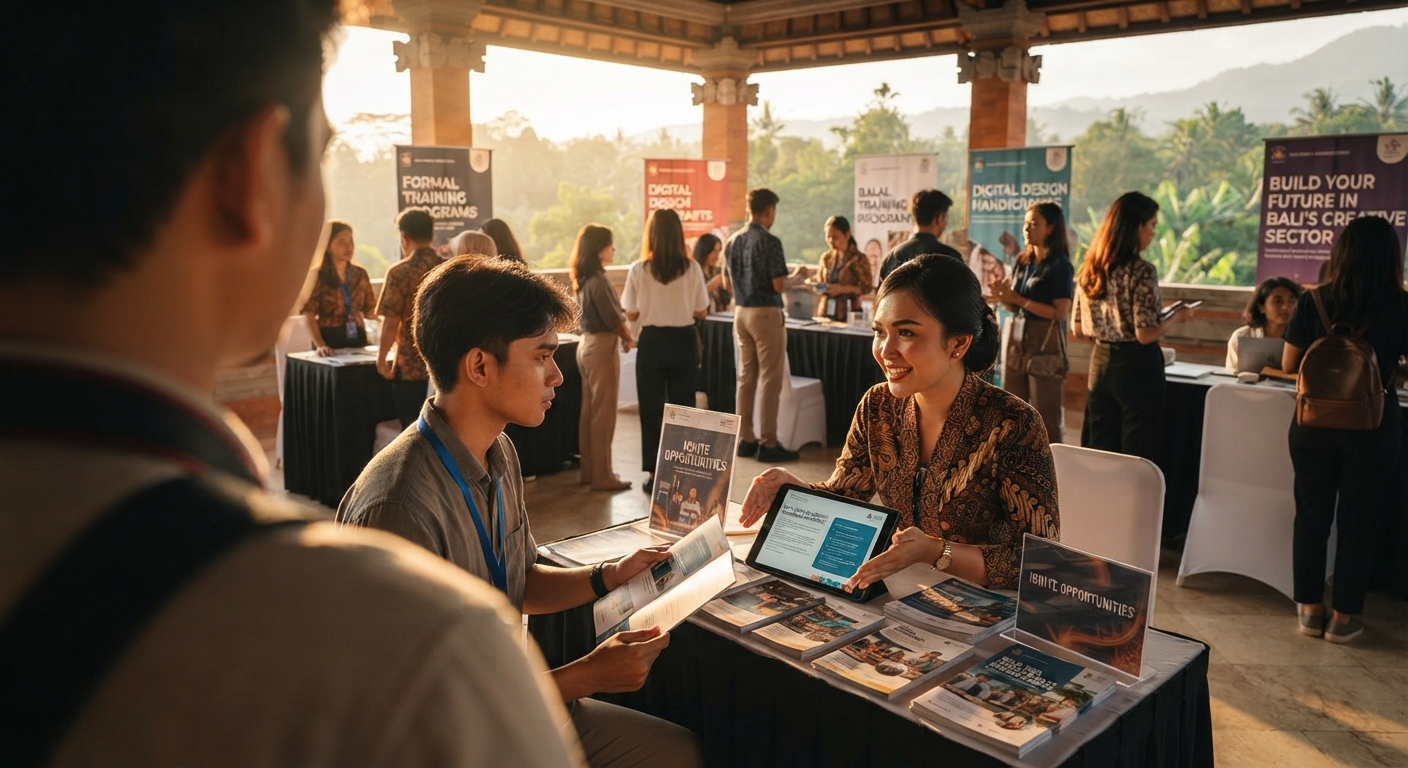
Local businesses are taking notice of this trend as well. Cafés, boutiques, and galleries are increasingly hiring individuals with creative skills, understanding the importance of branding and visual identity in attracting customers. For instance, a popular café in Seminyak recently launched a campaign featuring artwork from local artists, further promoting the significance of the creative sector in Bali's economy.
As the demand for creative talent grows, so does the importance of nurturing these skills from a young age. Various schools and universities across Bali are adapting their curricula to include creative subjects. Udayana University, for example, has integrated design thinking and entrepreneurship into its programs, preparing students for a competitive job market.
The local government has also played a crucial role in fostering this growth. The Bali Provincial Office of Manpower and Transmigration has been actively collaborating with creative industries to develop tailored training programs. Their goal is to bridge the gap between education and employment, ensuring that graduates possess the skills needed to thrive in the creative economy.

However, challenges remain. Many aspiring creatives face financial barriers that prevent them from accessing training programs. To combat this, some organizations are offering scholarships and subsidized courses to make education more accessible. This commitment to inclusivity is vital for ensuring that all individuals have the opportunity to contribute to Bali's vibrant creative landscape.
As Bali continues to embrace its creative potential, the future looks promising for job seekers in this sector. With ongoing support from the government, local businesses, and educational institutions, the island is poised to become a hub for artistic expression and innovation. The energy of the young artists in Canggu is just a glimpse into the transformative power of a thriving creative economy.
Looking ahead, the question remains: how can Bali sustain this momentum? Continued investment in education, collaboration between sectors, and a commitment to nurturing talent will be essential in shaping a sustainable creative industry. As more individuals find their places within this dynamic landscape, Bali's creative economy is not just a trend but a lasting legacy for generations to come.

Read Also from Other Categories
Exploring Bali's Thriving Community-Based Tourism Initiatives
Bali is witnessing a significant rise in community-based tourism initiatives that are enhancing local engagement and visitor experiences. This trend, driven by local artisans and sustainable practices, is reshaping the tourism landscape across the island.

Jakarta's Expansion Plans Prompt Bali's Government to Rethink Land Policies
As Jakarta prepares for significant urban expansion, Bali's provincial government faces pressure to update its land use regulations. This shift aims to balance development with preservation amidst concerns from local communities.

Bali's Insurance Tech Startups Attract Major Investments Amid Global Trends
Bali's insurance technology sector is rapidly gaining traction, with several startups securing significant funding in 2023. Investors are drawn to innovative solutions addressing local and global insurance challenges, signaling a shift in the investment landscape.
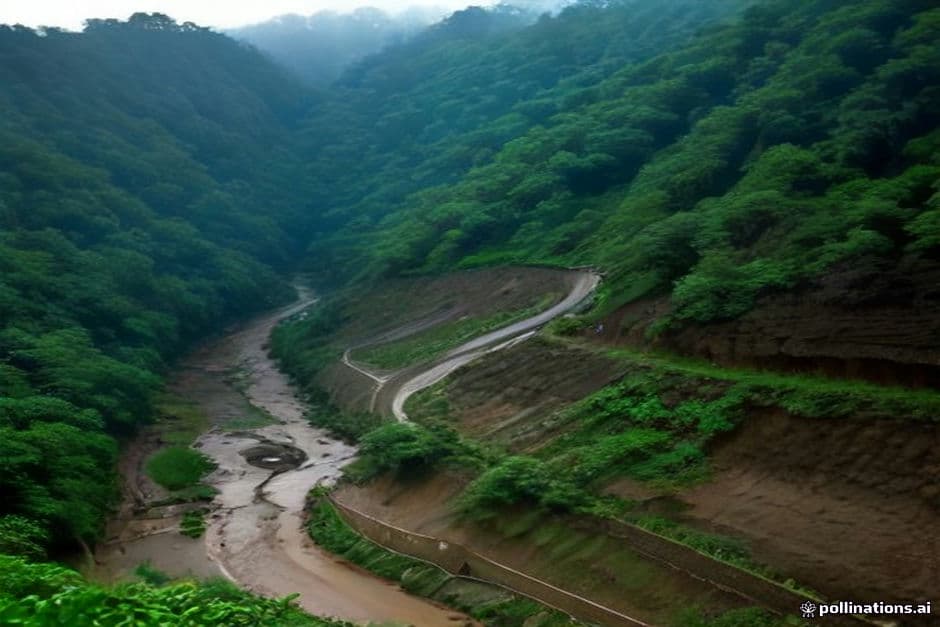
Increased Landslide Risks Challenge Bali's Remote Villages
As heavy rains persist in Bali, remote villages face heightened risks of landslides, prompting local authorities to issue safety alerts. Community leaders are calling for urgent measures to enhance infrastructure and emergency response capabilities.
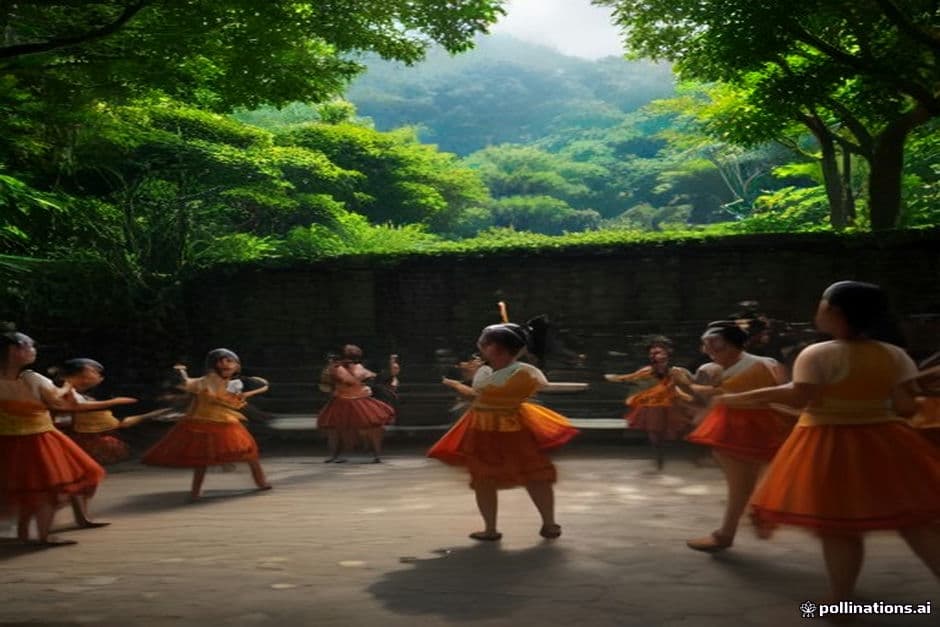
Cultural Education Program Revitalizes Local Traditions in Bali Schools
A new initiative launched by Bali's education department aims to integrate local culture into school curriculums across the island. This program seeks to instill pride in Balinese heritage among the youth, fostering a deeper connection to their roots.
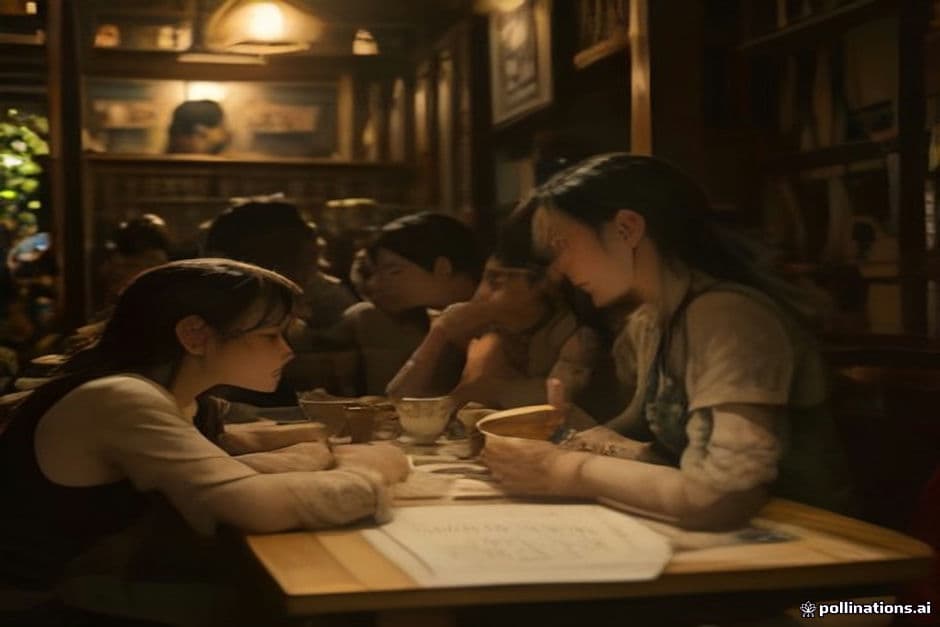
Cafes and Culture: The Role of Community Spaces in Bali's Recovery
As Bali emerges from the pandemic, community cafes are becoming vital hubs for cultural exchange and economic revitalization. These spaces are not only serving coffee but also fostering a sense of belonging and collaboration among locals and visitors alike.
Comments (0)
No comments yet. Be the first!