Bali's Community-Led Conservation Initiatives Gain Traction
Across Bali, local communities are spearheading conservation initiatives that focus on preserving the island's rich biodiversity. These grassroots movements not only protect the environment but also foster a sense of unity among residents.
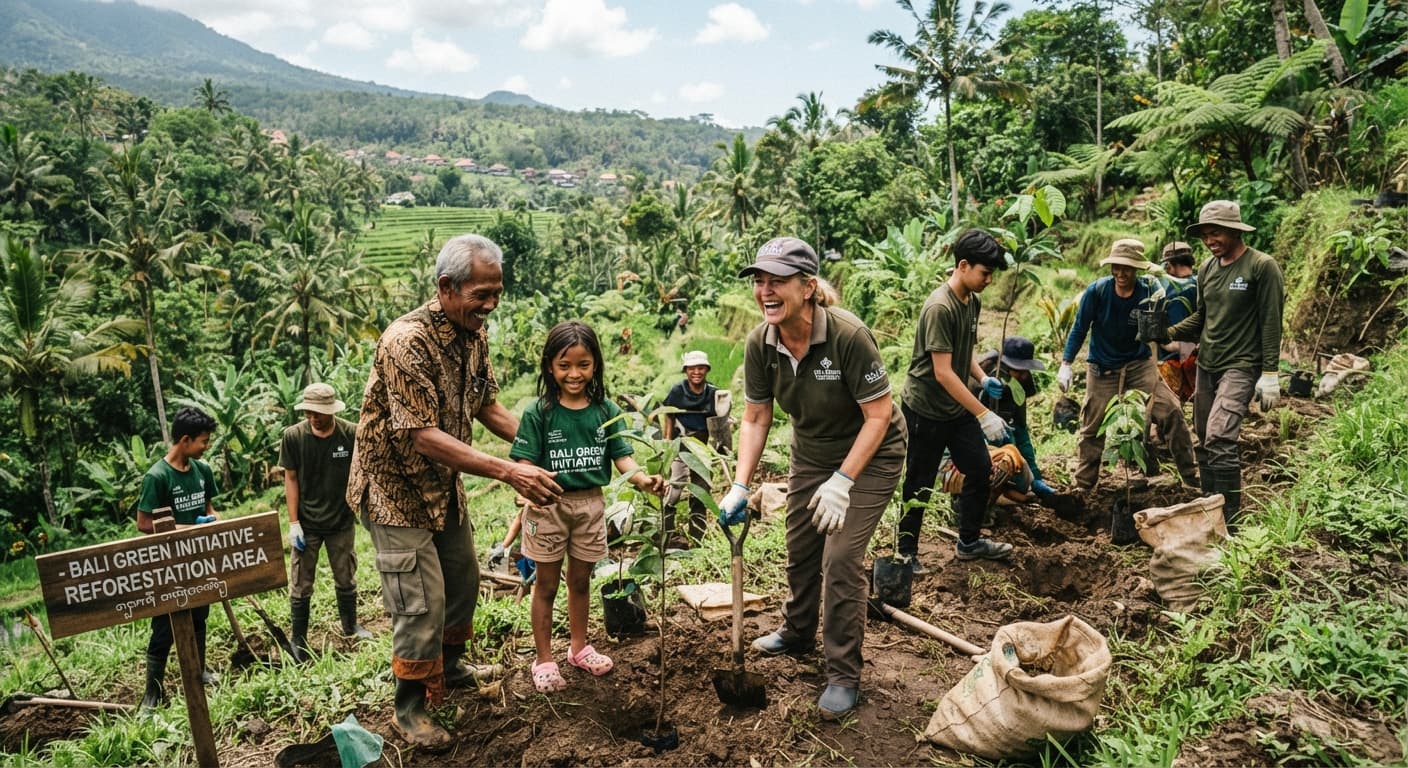
In recent months, a surge of community-led conservation initiatives has emerged in Bali, reflecting a growing commitment among locals to protect the island’s unique ecosystem. Various community groups are organizing efforts to restore natural habitats, combat pollution, and promote sustainable practices. These initiatives not only aim to preserve the environment but also strengthen community bonds as residents come together for a common cause.
One notable example is the "Bali Green Initiative," launched in early 2023 by a coalition of local NGOs and community leaders. The program focuses on reforestation efforts in rural areas, particularly in regions affected by illegal logging and land conversion for agriculture. Volunteers from villages around Gianyar and Ubud have been actively participating in tree-planting events, with over 10,000 trees planted in the past six months alone. "We believe that restoring our forests is crucial for maintaining biodiversity and combating climate change," said Nyoman Suardika, a coordinator for the initiative.
Furthermore, community clean-up events are increasingly popular, with groups mobilizing to tackle plastic pollution on Bali’s beaches and rivers. The "Clean Bali" campaign, initiated by local youth, has successfully organized monthly beach clean-ups in Kuta and Seminyak, removing tons of plastic waste. Participants not only contribute to a cleaner environment but also receive educational sessions on waste management and the importance of reducing single-use plastics.
The local government is also recognizing the significance of these grassroots movements. In a recent meeting, the Bali Provincial Government announced its support for community conservation projects, pledging to provide funding and resources to assist local groups. "We understand that collaboration with communities is essential for sustainable development in Bali," stated I Made Sanjaya, the Head of the Bali Environmental Agency. The government aims to integrate these initiatives into broader environmental policies, ensuring their long-term viability.
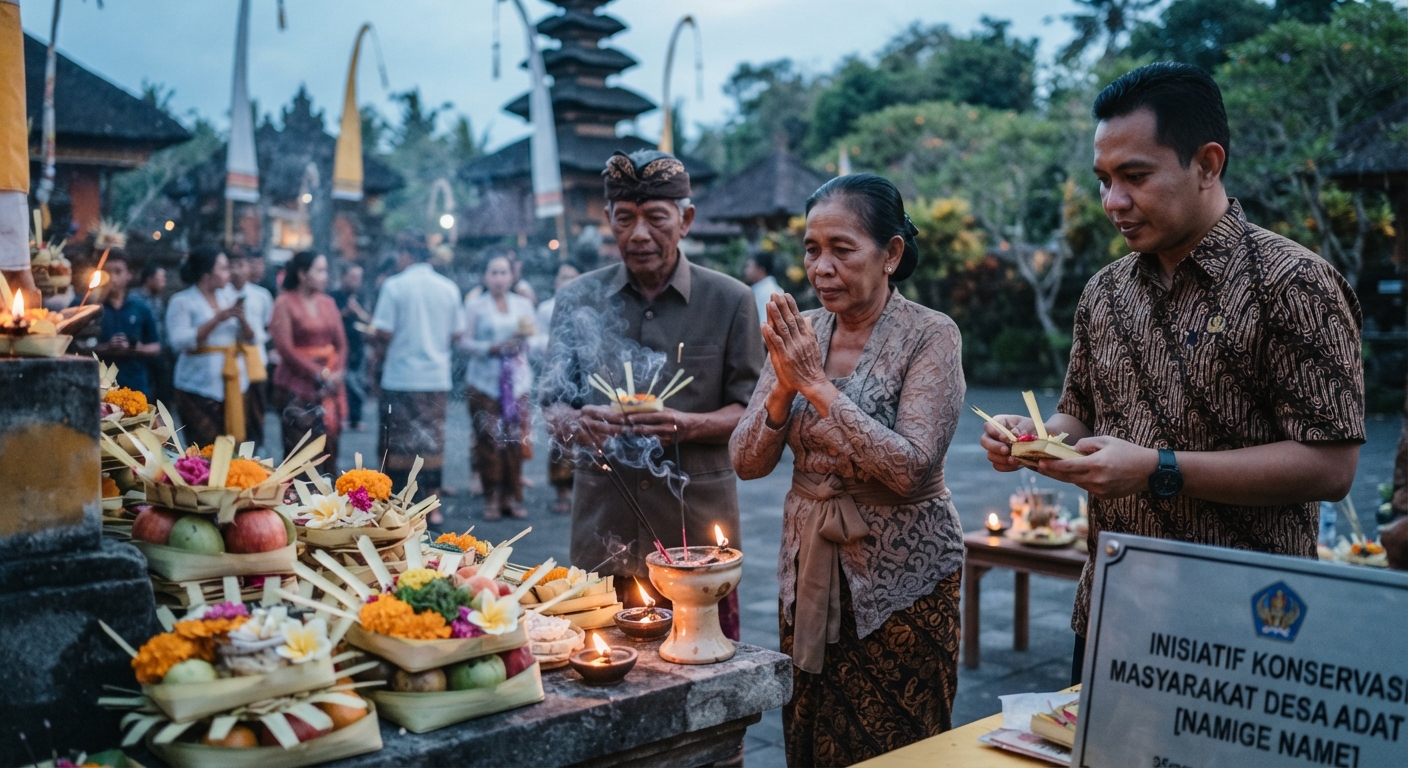
As part of these efforts, educational programs are being developed to raise awareness about environmental issues among schoolchildren. In collaboration with local schools, community leaders are implementing workshops that focus on biodiversity, climate change, and the importance of conservation. This initiative aims to instill a sense of responsibility in the younger generation, ensuring they are informed stewards of the environment.
Additionally, these community-led initiatives are contributing to the local economy by promoting eco-tourism. Several villages are developing eco-friendly accommodations and tours that highlight their conservation efforts. For instance, the village of Tegalalang has introduced guided nature walks that showcase their reforestation projects and offer visitors the chance to learn about local flora and fauna. This not only attracts tourists but also provides a sustainable income for local residents.
Despite the positive developments, challenges remain. Many communities face resistance from businesses that prioritize short-term profits over environmental sustainability. Moreover, the impact of tourism on natural resources is an ongoing concern. Activists are advocating for stricter regulations on waste management and resource use in tourist areas to mitigate these pressures.

Looking ahead, the success of these initiatives could serve as a model for other regions facing similar environmental challenges. By fostering a strong sense of community and collaboration, Bali is setting a precedent for sustainable development that prioritizes both environmental conservation and local empowerment. As these efforts gain momentum, they illustrate the power of grassroots movements in shaping the future of the island.
In conclusion, Bali’s community-led conservation initiatives highlight the potential for positive environmental change through local action. With continued support from both the government and residents, these movements could play a pivotal role in preserving the island's natural heritage for generations to come.


Read Also from Other Categories

Exploring Bali's Thriving Community-Based Tourism Initiatives
Bali is witnessing a significant rise in community-based tourism initiatives that are enhancing local engagement and visitor experiences. This trend, driven by local artisans and sustainable practices, is reshaping the tourism landscape across the island.

Jakarta's Expansion Plans Prompt Bali's Government to Rethink Land Policies
As Jakarta prepares for significant urban expansion, Bali's provincial government faces pressure to update its land use regulations. This shift aims to balance development with preservation amidst concerns from local communities.

Bali's Insurance Tech Startups Attract Major Investments Amid Global Trends
Bali's insurance technology sector is rapidly gaining traction, with several startups securing significant funding in 2023. Investors are drawn to innovative solutions addressing local and global insurance challenges, signaling a shift in the investment landscape.

Power Outages Plague Bali as Storms Intensify, Local Businesses Struggle
Frequent power outages across Bali have heightened concerns for local businesses as storms wreak havoc. With mounting disruptions, community members are calling for urgent improvements to the island's electrical infrastructure.

Job Market Transformation: Bali's Shift to Remote Work Opportunities
Bali's job market is evolving, with remote work opportunities surging by 30% in the past year. This trend is reshaping employment patterns and attracting a diverse talent pool to the island.

Cafes and Culture: The Role of Community Spaces in Bali's Recovery
As Bali emerges from the pandemic, community cafes are becoming vital hubs for cultural exchange and economic revitalization. These spaces are not only serving coffee but also fostering a sense of belonging and collaboration among locals and visitors alike.
Comments (0)
No comments yet. Be the first!