Bali's Art Scene Flourishes as Tourism Diversifies in 2026
Bali's tourism landscape is rapidly evolving, with a significant focus on arts and culture. As visitors seek deeper connections, local artists and galleries are thriving, enhancing the island's appeal.
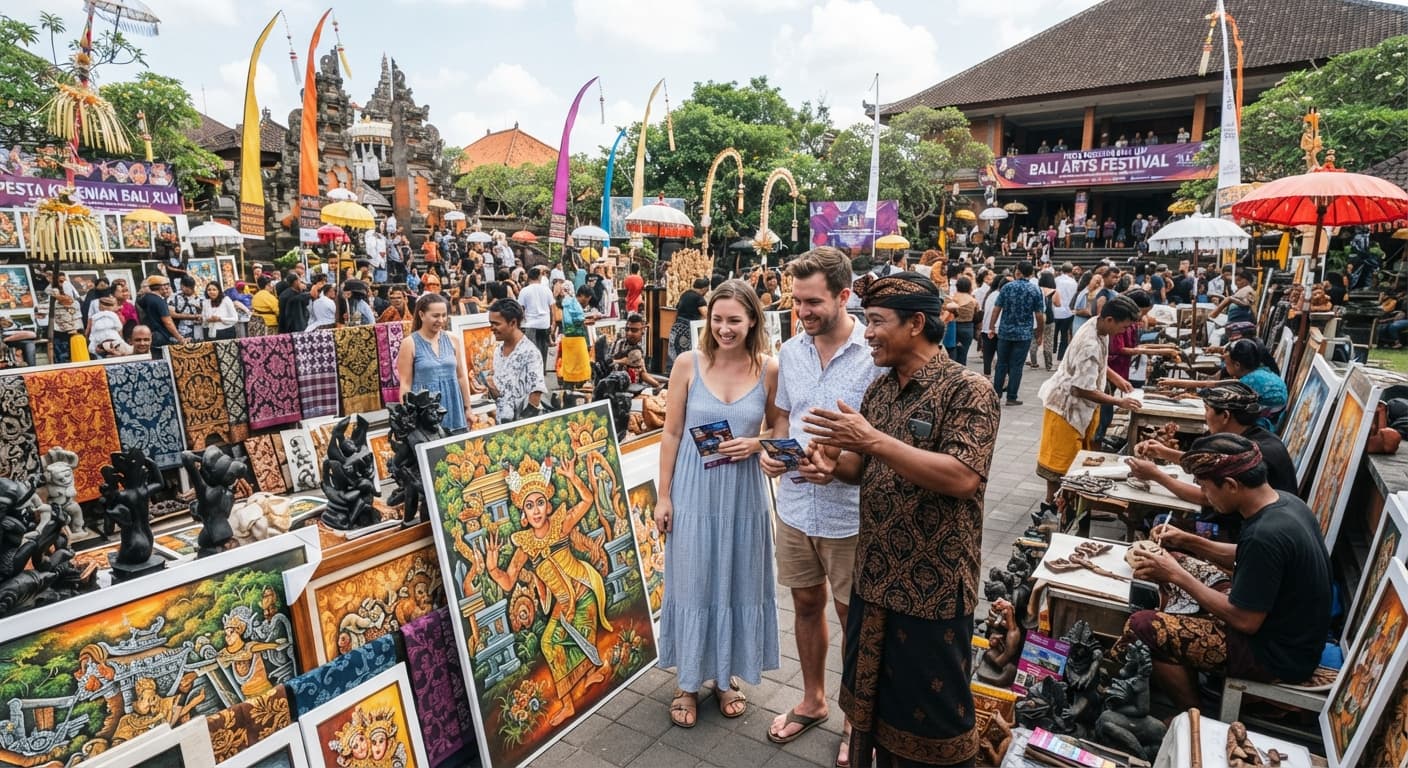
Bali is witnessing a renaissance in its arts scene, significantly impacting the tourism industry in 2026. As international travelers increasingly seek authentic experiences, local artists and cultural venues are stepping into the spotlight, reshaping the island's tourism landscape. This shift not only enhances visitor engagement but also provides economic opportunities for local communities.
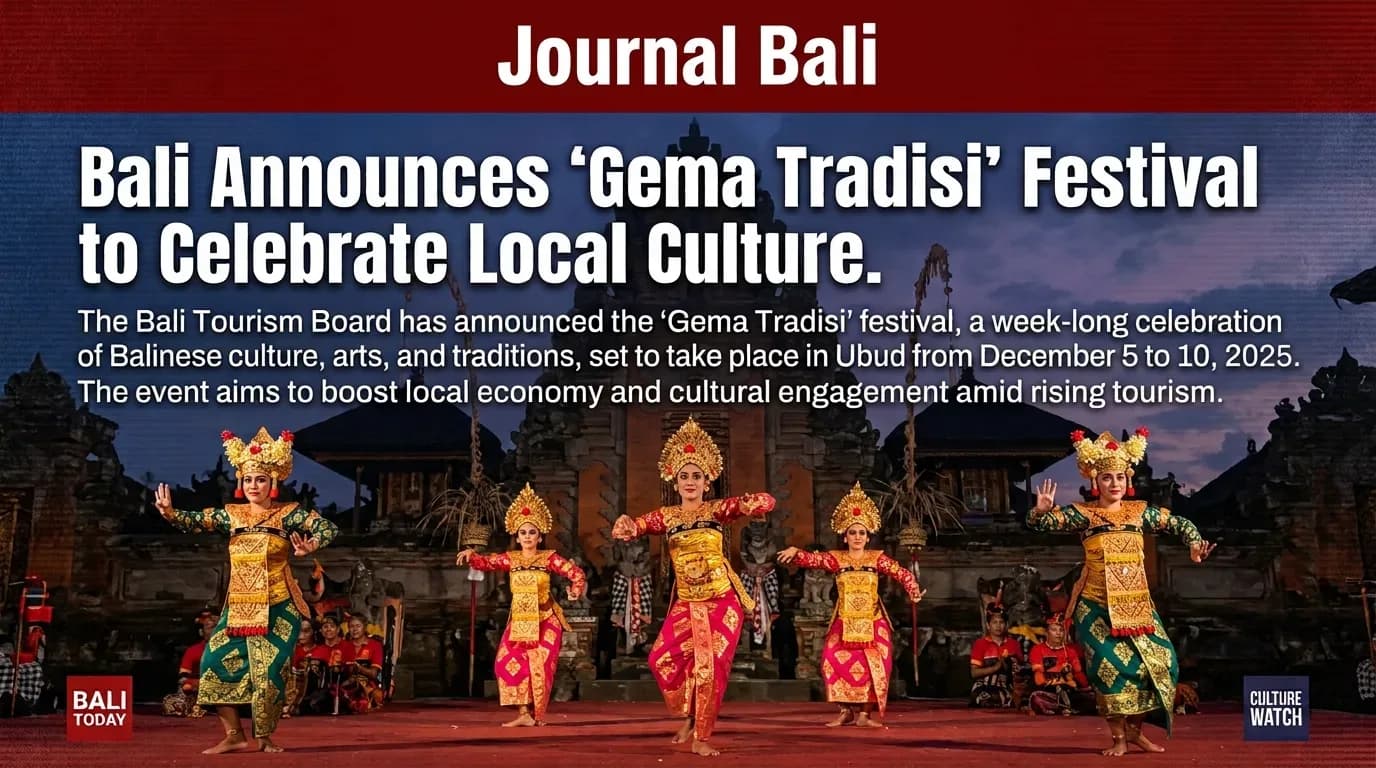
The surge in interest in Bali's art and culture can be attributed to a growing trend among tourists who are moving beyond traditional attractions. Instead of solely relying on beaches and nightlife, visitors are now keen to explore the island's rich artistic heritage. Events such as the Bali Arts Festival and numerous art exhibitions across the island have drawn considerable attention, showcasing both established and emerging artists.
In Ubud, recognized as the cultural heart of Bali, art galleries and studios are flourishing. The Agung Rai Museum of Art (ARMA) stands out with its extensive collection of traditional and contemporary Balinese art. According to museum director Nyoman Gunarsa, "The interest in Balinese art and culture has increased tremendously, with many tourists now prioritizing cultural experiences during their stay." This aligns with a broader trend where art is becoming a central theme in the tourist experience.
Moreover, the rise of digital platforms has allowed local artists to reach a global audience. Many have turned to social media to promote their work, leading to collaborations with international brands and exhibitions abroad. For instance, Balinese painter Made Wianta has successfully showcased his works in galleries across Europe and the United States, further elevating the island's artistic profile.
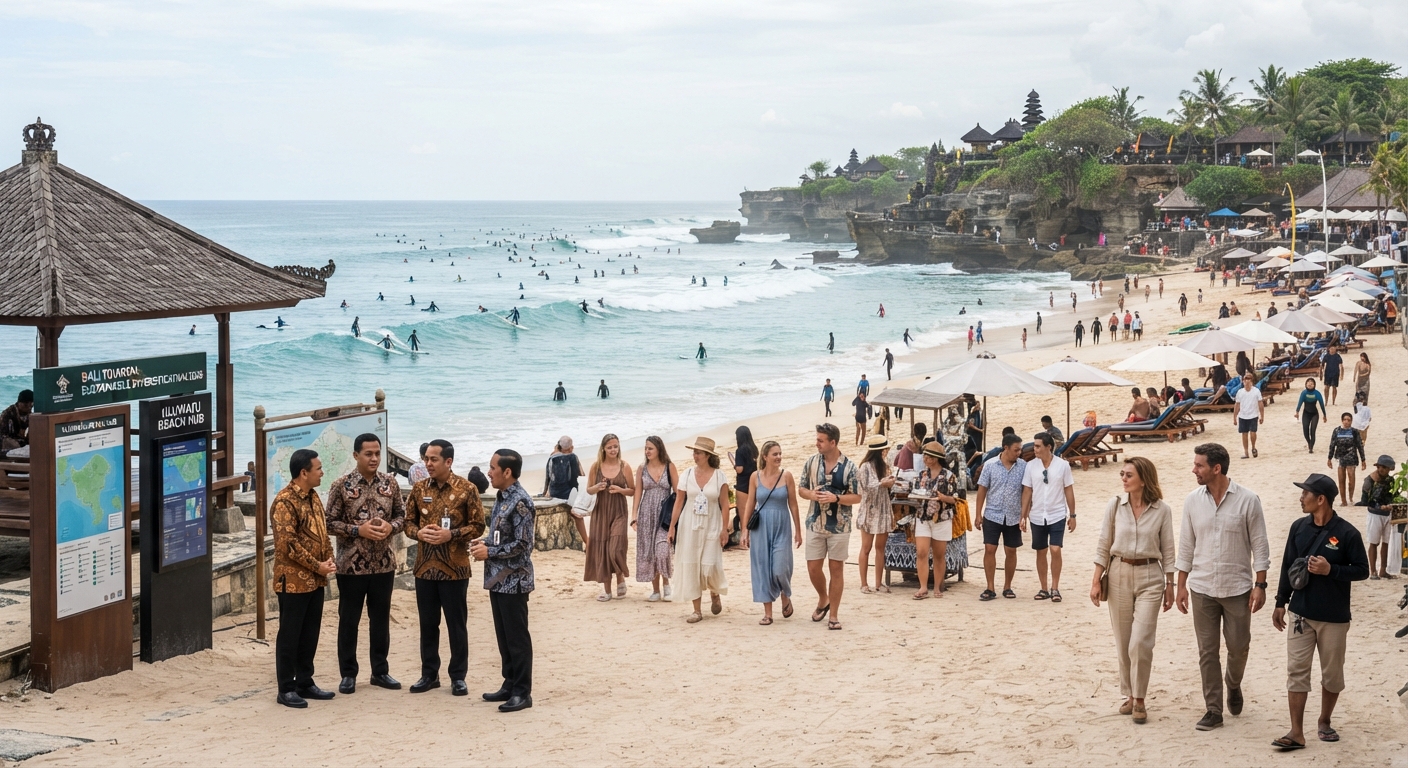
The Bali Arts Festival, held annually from June to July, has become a cornerstone event for both locals and tourists. Featuring performances, workshops, and exhibitions, it attracts thousands of participants. This year, the festival is expected to draw over 50,000 attendees, highlighting the increasing interest in Bali's cultural offerings. The festival not only celebrates Balinese traditions but also incorporates modern artistic expressions, illustrating the island's evolving cultural landscape.
In addition to established events, smaller community-driven initiatives are also gaining traction. Local artists are organizing pop-up galleries and workshops, inviting tourists to engage directly with the creative process. These intimate experiences provide visitors with a unique insight into Balinese culture, fostering a deeper connection with the island.
The economic implications of this cultural shift are significant. As tourism diversifies, local artists and businesses are reaping the benefits. According to the Bali Tourism Agency, the growth in cultural tourism has led to a 15% increase in local art sales over the past year. This trend encourages sustainable practices as more tourists prioritize purchasing authentic local art rather than mass-produced souvenirs.
However, this burgeoning arts scene is not without challenges. As the demand for authentic experiences grows, so does the risk of commercialization. Local artists and cultural leaders are advocating for measures to ensure that the integrity of Balinese art is preserved. Initiatives aimed at educating tourists about the cultural significance of the art they encounter are being developed to mitigate this risk.
Furthermore, the ongoing support from the local government plays a crucial role in nurturing the arts community. The Bali provincial government has allocated funds to support art programs and initiatives. Head of the Bali Cultural Office, I Gusti Ngurah Putra, stated, "We recognize the importance of culture in tourism and are committed to supporting our artists and preserving our heritage." This commitment is vital for sustaining the growth of Bali's arts scene.
As the tourism landscape continues to evolve in Bali, the focus on arts and culture presents an exciting opportunity for both visitors and locals. The island's rich heritage, combined with vibrant contemporary expressions, offers a unique tapestry that enriches the travel experience. As Bali embraces this cultural renaissance, it not only enhances its appeal but also ensures that the voices of local artists are heard and celebrated in the global arena.
Read Also from Other Categories
Local Farmers Rally for Support Amid Bali's Agricultural Policy Shift
As Bali's provincial government implements new agricultural policies, local farmers express concerns over their livelihoods. The shift aims to modernize practices but raises questions about sustainability and community impact.

Investors Shift Focus to Bali's Innovative Aquaculture Ventures in 2023
Bali's aquaculture sector has seen a remarkable 35% increase in investment this year, attracting both local and international funding. The surge is driven by a growing demand for sustainable seafood and innovative farming techniques.

Canggu Residents Alarmed by Rising Incidents of Coastal Erosion
As Canggu's picturesque coastline faces increasing erosion, local residents and businesses express urgent concerns. The ongoing erosion threatens homes, livelihoods, and the area's renowned tourism appeal.
Community-Led Initiatives Foster Urban Infrastructure Growth in Denpasar
Residents of Denpasar are taking the lead in improving urban infrastructure through collaborative projects. Local government support amplifies these initiatives, aiming to enhance the city's livability amidst rapid urbanization.
Bali's New Career Hub: Empowering Local Job Seekers with Innovative Training
Bali's job seekers are gaining new opportunities through a strategic partnership between local businesses and vocational training centers. This initiative aims to equip the workforce with essential skills to meet the demands of a rapidly changing job market.
Navigating Bali's Evolving Social Landscape: Challenges and Opportunities
As Bali grapples with increasing social disparities, experts urge a reevaluation of community policies. Understanding these shifts is crucial for fostering a more equitable future for all residents.
Comments (0)
No comments yet. Be the first!