Bali's Art Festivals: A Canvas for Economic Growth and Cultural Exchange
Bali's art festivals are driving both tourism and local economic growth, showcasing the island's rich cultural heritage. These vibrant events are not just celebrations but also vital platforms for local artists to gain recognition and connect with global audiences.
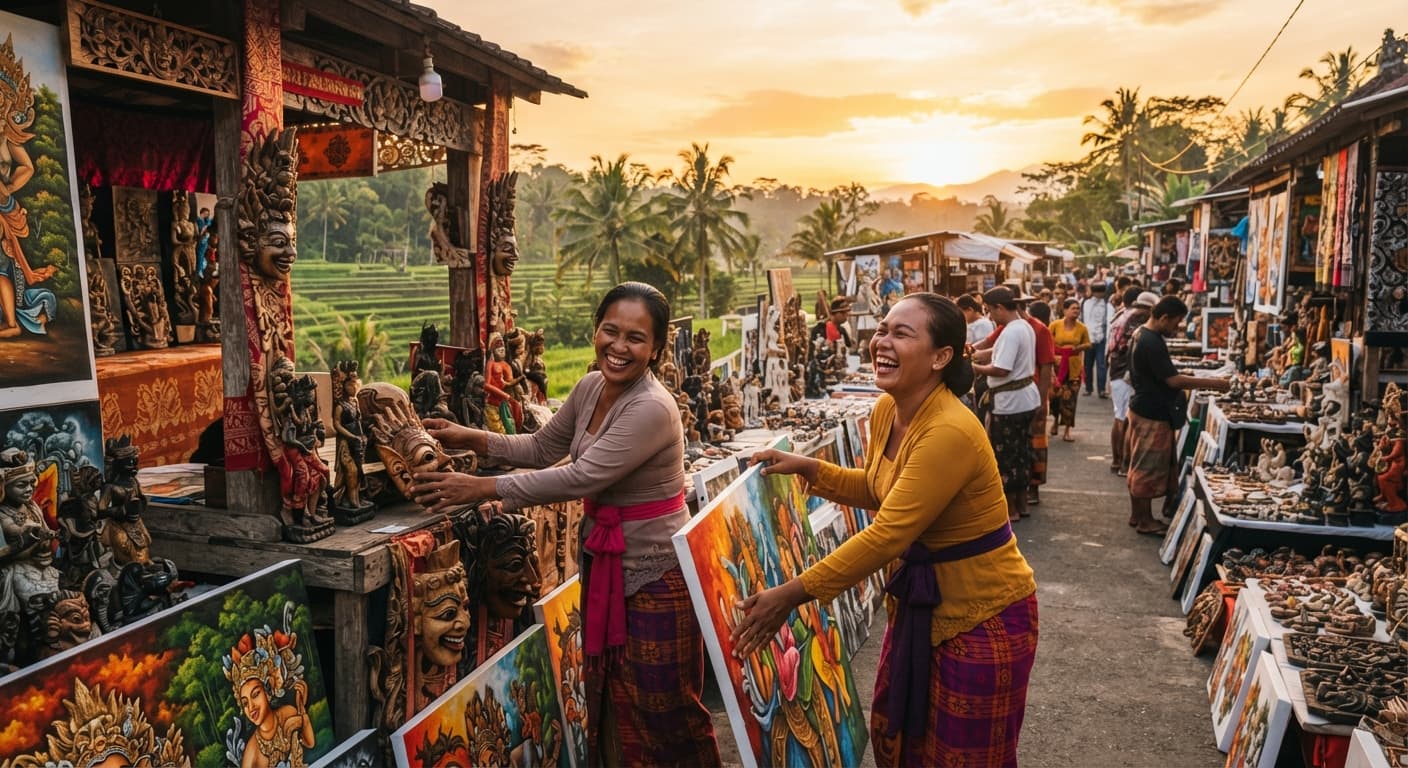
In the heart of Ubud, as the sun sets behind the verdant rice paddies, the air fills with the sound of traditional Balinese gamelan music. A group of local artists, adorned in colorful sarongs, are busy setting up their stalls for the upcoming Ubud Art Festival. Their laughter echoes as they arrange intricate wood carvings and vibrant paintings, each piece telling a unique story of Bali's rich cultural tapestry. This scene is a testament to the island's thriving art scene, where creativity blends seamlessly with tourism.
With the Ubud Art Festival on the horizon, expectations are high. Scheduled to take place later this month, the festival promises to attract thousands of visitors, both local and international. The event will feature not only art exhibitions but also dance performances, workshops, and discussions aimed at fostering a deeper understanding of Balinese culture. According to the Ubud Tourism Board, the festival is projected to draw over 20,000 attendees, significantly boosting local businesses and enhancing the island's reputation as a cultural hub.
Art festivals across Bali have become crucial in revitalizing the tourism sector post-pandemic. The Bali Arts Festival, held annually in Denpasar, is another significant event that showcases the island's diverse artistic expressions. This festival, which spans a month, includes a variety of performances, from traditional dance to modern art installations, drawing visitors from around the globe. Last year, it was reported that the festival contributed an estimated 50 billion IDR to the local economy, underscoring the financial impact of these cultural events.
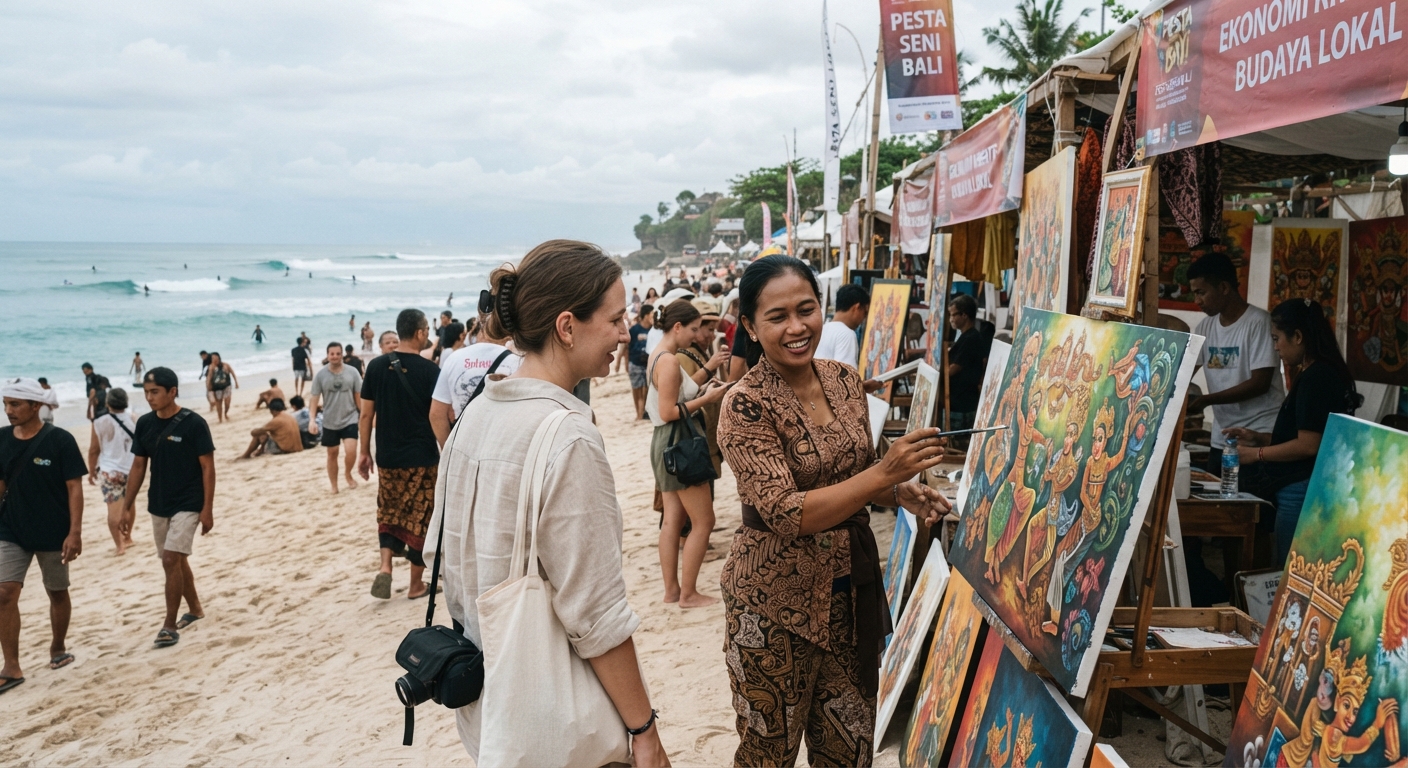
Local artisans express their gratitude for the opportunities these festivals provide. Made Wirata, a woodcarver from Ubud, shares, "The festivals have opened doors for us to showcase our work to a wider audience. It's not just about selling; it's about sharing our culture and stories with the world." This sentiment is echoed by many artisans who view these events as a platform for cultural exchange and economic sustenance.
Moreover, the impact of these festivals extends beyond immediate sales. Many visitors, captivated by the art and culture, often return to Bali, fostering repeat tourism. The Ubud Art Festival has reportedly increased hotel bookings in the area by 30% during the event period, a significant boon for local hospitality businesses. As hotels adapt to meet the influx of tourists, many are offering special packages that include festival tickets and guided tours of local art studios, enhancing the overall visitor experience.
However, the surge in tourism also brings challenges. Local authorities are working to balance the influx of visitors with the preservation of Bali's cultural heritage. Environmental concerns have been raised regarding the impact of large crowds on local ecosystems and the need for sustainable practices during these festivals. The Bali government has initiated measures to ensure that festivals are conducted in an environmentally friendly manner, including waste management systems and promoting the use of local materials.
As Bali continues to navigate the post-pandemic tourism landscape, art festivals are becoming vital to its strategy. They not only promote cultural heritage but also offer economic opportunities for local communities. The blend of tradition and modernity in these events captivates visitors and encourages them to engage more deeply with the island's rich history.
Looking forward, the future of Bali's tourism seems intertwined with its artistic expressions. The increasing popularity of art festivals signals a shift towards more experiential tourism, where visitors seek authentic connections with local cultures. As Bali embraces this trend, the island's unique blend of art, culture, and hospitality positions it as a leading destination in the global tourism arena.



Read Also from Other Categories
Local Farmers Rally for Support Amid Bali's Agricultural Policy Shift
As Bali's provincial government implements new agricultural policies, local farmers express concerns over their livelihoods. The shift aims to modernize practices but raises questions about sustainability and community impact.
Investors Shift Focus to Bali's Innovative Aquaculture Ventures in 2023
Bali's aquaculture sector has seen a remarkable 35% increase in investment this year, attracting both local and international funding. The surge is driven by a growing demand for sustainable seafood and innovative farming techniques.

Canggu Residents Alarmed by Rising Incidents of Coastal Erosion
As Canggu's picturesque coastline faces increasing erosion, local residents and businesses express urgent concerns. The ongoing erosion threatens homes, livelihoods, and the area's renowned tourism appeal.
Community-Led Initiatives Foster Urban Infrastructure Growth in Denpasar
Residents of Denpasar are taking the lead in improving urban infrastructure through collaborative projects. Local government support amplifies these initiatives, aiming to enhance the city's livability amidst rapid urbanization.
Bali's New Career Hub: Empowering Local Job Seekers with Innovative Training
Bali's job seekers are gaining new opportunities through a strategic partnership between local businesses and vocational training centers. This initiative aims to equip the workforce with essential skills to meet the demands of a rapidly changing job market.
Cafes and Culture: The Role of Community Spaces in Bali's Recovery
As Bali emerges from the pandemic, community cafes are becoming vital hubs for cultural exchange and economic revitalization. These spaces are not only serving coffee but also fostering a sense of belonging and collaboration among locals and visitors alike.
Comments (0)
No comments yet. Be the first!