Bali Restricts Foreign Investment in 18 Key Business Sectors
In a bid to protect local livelihoods, Bali's government has barred foreign investors from entering 18 business sectors, including hotels, cafes, and motorbike rentals.
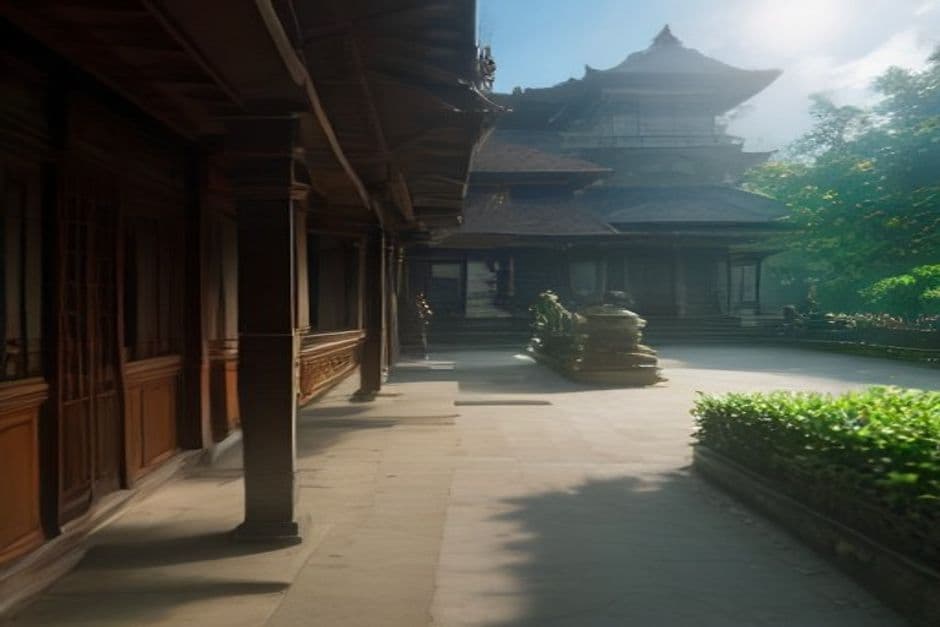
Bali's provincial government has implemented a sweeping regulation that restricts foreign investment in 18 key business sectors, a move aimed at safeguarding local entrepreneurs and preserving the island's cultural integrity. This decision, announced by Governor Wayan Koster, is seen as a significant shift in the Balinese economic landscape, prioritizing the interests of local businesses over foreign capital inflow.
The sectors affected by this new regulation include hotels, cafes, and motorbike rentals, all of which have seen a surge in foreign investment in recent years. Governor Koster emphasized the need to protect local livelihoods, stating, "We must ensure that our economy benefits the Balinese people first. The influx of foreign investors has created loopholes that threaten local businesses and livelihoods. We cannot allow this to continue."
This policy, formally enacted on August 27, 2026, follows growing concerns among local communities about the impact of foreign ownership on their businesses. The government argues that by restricting foreign investment, they can foster a more sustainable and equitable economic environment that allows for the flourishing of small and medium enterprises (SMEs) in Bali.
The decision has been met with mixed reactions. Local business owners have largely welcomed the move, viewing it as a necessary step to level the playing field against larger foreign enterprises that often have more resources and capital. Nyoman Sari, a local cafe owner in Ubud, expressed her support for the regulation, stating, "For too long, we have watched foreign businesses dominate the market. This policy gives us a chance to thrive and maintain our cultural identity."
However, the move has raised concerns about potential backlash from foreign investors and its implications for Bali's tourism sector, which heavily relies on international clientele. The island has long been a favored destination for foreign investment, particularly in hospitality and tourism-related businesses. Analysts suggest that this policy could deter future investments, as foreign investors may seek more open markets elsewhere.
In response to these concerns, Koster assured that the government would continue to promote tourism and investment, albeit in a manner that prioritizes local involvement. "We are not closing the door to foreign investment entirely; we are merely setting boundaries to ensure that our local economy remains strong and resilient," he explained.
The regulation's implications extend beyond the immediate economic effects; they are also deeply rooted in Bali's historical context. The island has a long-standing tradition of balancing tourism with cultural preservation. Over the decades, rapid tourism development has often led to significant cultural and environmental challenges, prompting calls for a more sustainable approach to growth.
Furthermore, the policy aligns with broader national strategies aimed at promoting local entrepreneurship and reducing dependency on foreign capital. As Bali navigates the complexities of globalization, the government's decision reflects a growing recognition of the need to protect and empower local communities against the pressures of a globalized economy.
Looking ahead, the provincial government plans to monitor the economic impact of this regulation closely, particularly in terms of local business growth and job creation. Koster has indicated that the government will introduce support programs for local entrepreneurs, including training and access to capital, to help them adapt to the new business environment.
As Bali steps into this new chapter of economic policy, the balance between maintaining its status as a global tourist destination and fostering a sustainable local economy will be closely watched by stakeholders on all sides. The coming months will reveal whether this bold move can indeed bolster the local economy without alienating the international investors who have played a significant role in shaping Bali's tourism industry.


Read Also from Other Categories

Emerging Trends in Bali's Adventure Tourism: Thrilling New Experiences Await
Bali's adventure tourism sector is rapidly evolving, offering visitors thrilling experiences that go beyond traditional attractions. From canyoning in Ubud to zip-lining in Gianyar, the island is becoming a hub for adrenaline seekers and nature enthusiasts alike.

Investors Shift Focus to Bali's Innovative Aquaculture Ventures in 2023
Bali's aquaculture sector has seen a remarkable 35% increase in investment this year, attracting both local and international funding. The surge is driven by a growing demand for sustainable seafood and innovative farming techniques.

Canggu Residents Alarmed by Rising Incidents of Coastal Erosion
As Canggu's picturesque coastline faces increasing erosion, local residents and businesses express urgent concerns. The ongoing erosion threatens homes, livelihoods, and the area's renowned tourism appeal.

Community-Led Initiatives Foster Urban Infrastructure Growth in Denpasar
Residents of Denpasar are taking the lead in improving urban infrastructure through collaborative projects. Local government support amplifies these initiatives, aiming to enhance the city's livability amidst rapid urbanization.
Bali's New Career Hub: Empowering Local Job Seekers with Innovative Training
Bali's job seekers are gaining new opportunities through a strategic partnership between local businesses and vocational training centers. This initiative aims to equip the workforce with essential skills to meet the demands of a rapidly changing job market.
Navigating Bali's Evolving Social Landscape: Challenges and Opportunities
As Bali grapples with increasing social disparities, experts urge a reevaluation of community policies. Understanding these shifts is crucial for fostering a more equitable future for all residents.
Comments (0)
No comments yet. Be the first!