Japanese Small Business Crisis: A Wake-Up Call for Bali's Expat Economy
As Japan faces a surge in small business closures, Bali's expat economy must heed the warning signs about sustainability and resilience.
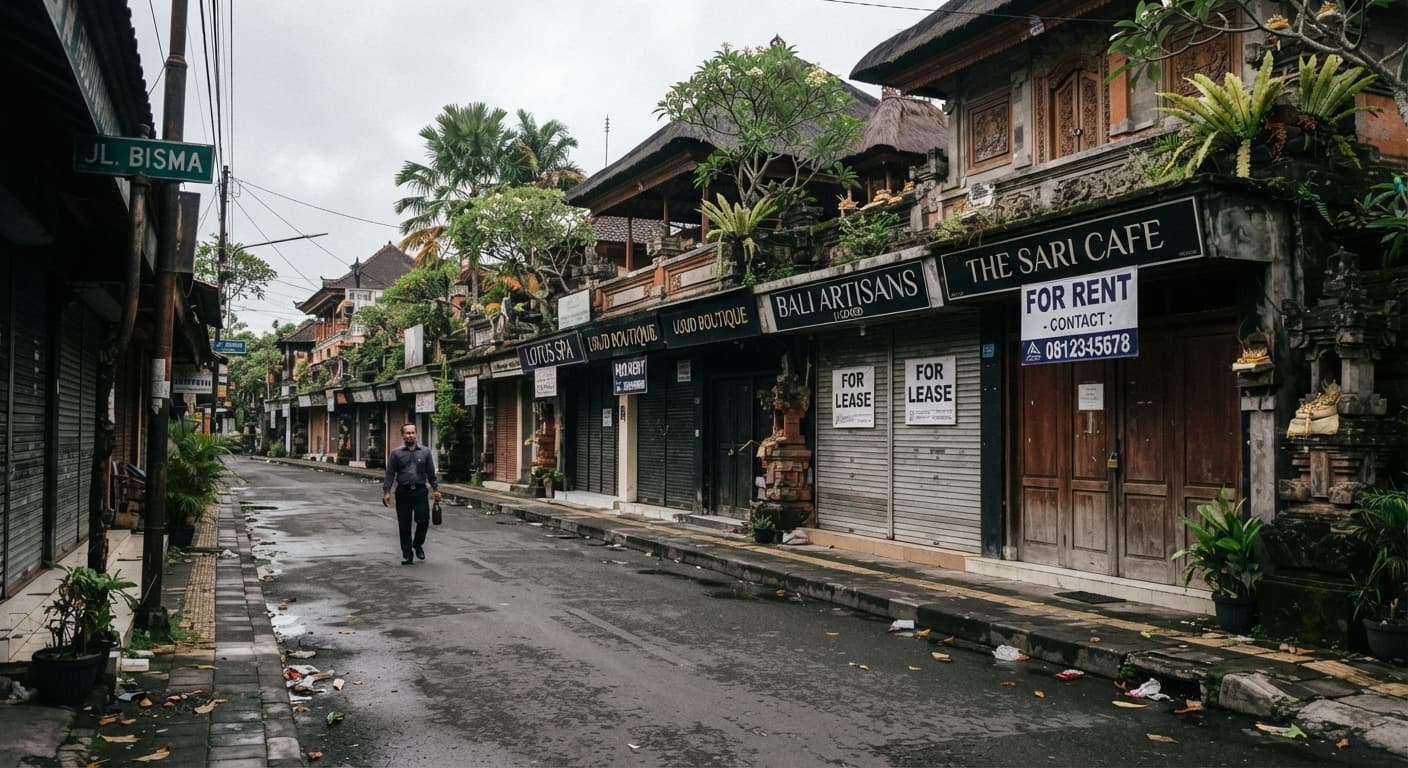
In an alarming trend that highlights the fragility of small enterprises amidst economic turbulence, Japan is witnessing a record rate of small business collapses, a situation that carries significant implications for Bali's expatriate economy. The unfolding crisis, which has seen nearly 300,000 small businesses shutter their doors in the past year alone, serves as a stark reminder of the vulnerabilities that even the most established economies face, particularly in the wake of global disruptions.
According to Japan's Ministry of Economy, Trade and Industry, the wave of closures has been attributed to a confluence of factors, including rising operational costs, persistent supply chain disruptions, and a dwindling consumer base as the nation grapples with an aging demographic. The implications are not only economic but resonate deeply within the social fabric of communities that rely on these small businesses for employment and essential services.
In Bali, where a vibrant expatriate community thrives on entrepreneurship, the lessons from Japan's plight are particularly pertinent. The island's economy, heavily reliant on tourism and the hospitality sector, is already facing its own set of challenges. The proliferation of digital nomads and foreign business owners has created a unique economic landscape, yet it remains precarious. Many of these businesses, while initially flourishing, may find themselves similarly exposed to the unpredictable tides of the global market.
“The situation in Japan serves as a wake-up call for all of us in Bali,” said Wayan Koster, Governor of Bali. “We must ensure that our local economy is resilient and that we support our small businesses, which are the backbone of our community.” His comments come as Bali's government actively seeks to regulate foreign investments to protect local enterprises from being overshadowed by larger foreign entities that might exploit loopholes in business regulations.
Recent reports indicate that Bali's local government has taken measures to safeguard its small business sector by restricting foreign investment in key areas such as hospitality, motorbike rentals, and cafés. This move aligns with a broader strategy to bolster local entrepreneurship and ensure that the economic benefits of tourism are felt by the indigenous population. “It's vital that we create an ecosystem where local businesses can thrive without being overwhelmed by foreign competition,” Koster added.
As the global economic landscape continues to shift, it is crucial for Bali's expatriate community to adapt and innovate. Many residents have turned to alternative income streams, leveraging digital platforms to offer services or products that cater to both locals and tourists. This adaptability has proven essential in the face of uncertainty, underscoring the need for a diverse economic approach.
In Japan, the challenges faced by small businesses have prompted renewed discussions regarding the need for comprehensive support systems, including easier access to financing and business development resources. Experts suggest that similar initiatives could benefit Bali's small business owners, who often lack the necessary infrastructure to navigate the complexities of a rapidly changing market.
Moreover, as Bali positions itself as a premier destination for digital nomads and remote workers, it must also consider the long-term sustainability of its economic model. The island's reliance on tourism, while lucrative, exposes it to external shocks such as pandemics or geopolitical tensions. Diversifying the economy and investing in sectors beyond tourism may be crucial for ensuring resilience.
“We need to think beyond just attracting tourists; we must foster a community where both locals and expats can collaborate and contribute to a vibrant economy,” emphasized Koster. As the island grapples with the lessons emanating from Japan's economic struggles, it is evident that the path forward will require collaborative efforts to build a more resilient and inclusive economic environment.
In conclusion, the crisis affecting small businesses in Japan serves not only as a cautionary tale but also as an opportunity for Bali's expatriate community to reassess its own economic practices. By prioritizing sustainability, supporting local initiatives, and fostering collaboration, Bali can create a robust economic framework that withstands the test of time, embracing both local heritage and the innovative spirit of its international residents.



Read Also from Other Categories

Emerging Trends in Bali's Adventure Tourism: Thrilling New Experiences Await
Bali's adventure tourism sector is rapidly evolving, offering visitors thrilling experiences that go beyond traditional attractions. From canyoning in Ubud to zip-lining in Gianyar, the island is becoming a hub for adrenaline seekers and nature enthusiasts alike.

Local Farmers Rally for Support Amid Bali's Agricultural Policy Shift
As Bali's provincial government implements new agricultural policies, local farmers express concerns over their livelihoods. The shift aims to modernize practices but raises questions about sustainability and community impact.

Investors Shift Focus to Bali's Innovative Aquaculture Ventures in 2023
Bali's aquaculture sector has seen a remarkable 35% increase in investment this year, attracting both local and international funding. The surge is driven by a growing demand for sustainable seafood and innovative farming techniques.

Canggu Residents Alarmed by Rising Incidents of Coastal Erosion
As Canggu's picturesque coastline faces increasing erosion, local residents and businesses express urgent concerns. The ongoing erosion threatens homes, livelihoods, and the area's renowned tourism appeal.

Community-Led Initiatives Foster Urban Infrastructure Growth in Denpasar
Residents of Denpasar are taking the lead in improving urban infrastructure through collaborative projects. Local government support amplifies these initiatives, aiming to enhance the city's livability amidst rapid urbanization.
Bali's New Career Hub: Empowering Local Job Seekers with Innovative Training
Bali's job seekers are gaining new opportunities through a strategic partnership between local businesses and vocational training centers. This initiative aims to equip the workforce with essential skills to meet the demands of a rapidly changing job market.
Comments (0)
No comments yet. Be the first!