Bali International Hospital Inaugurated by President Prabowo Subianto
President Prabowo Subianto inaugurated the Bali International Hospital, aiming to transform local healthcare and boost medical tourism.
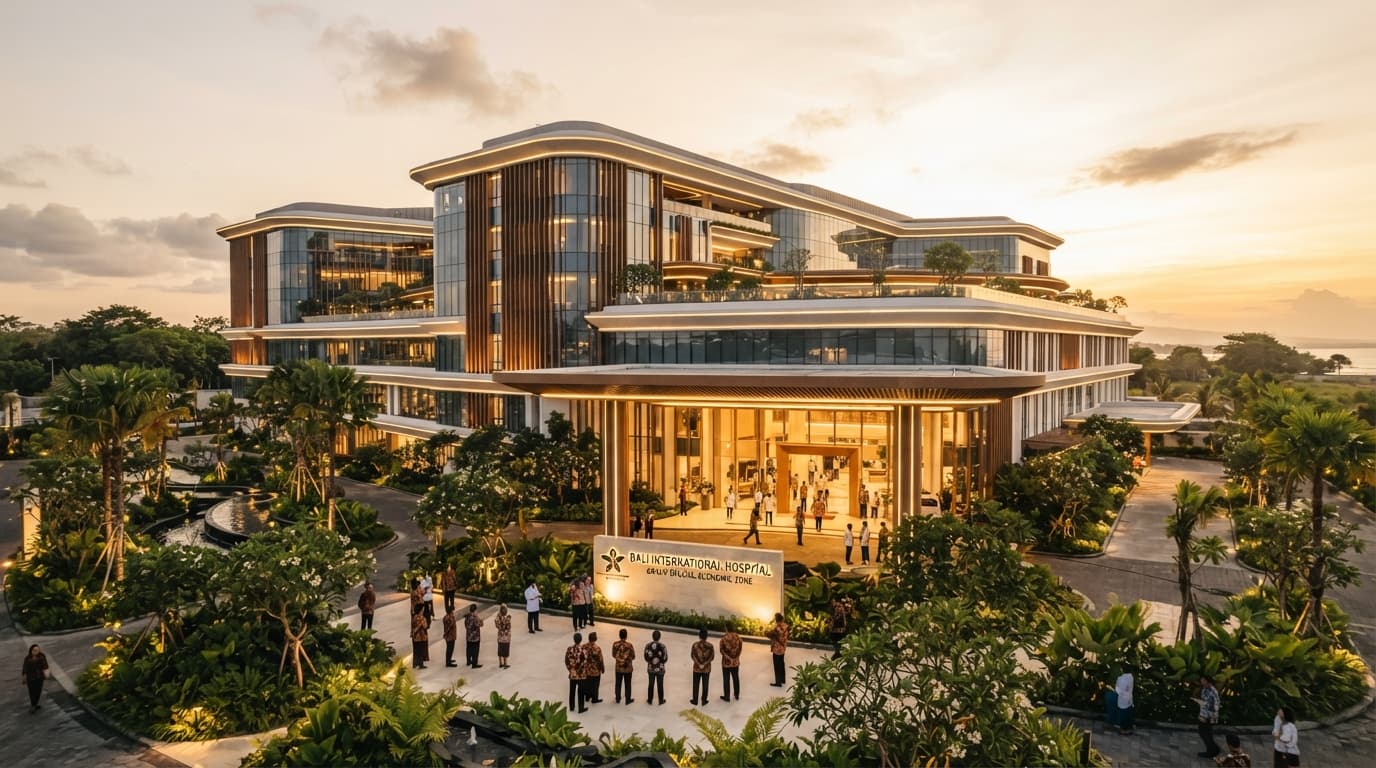
In a significant development for Indonesia’s healthcare landscape, President Prabowo Subianto inaugurated the Bali International Hospital (BIH) on June 25, 2025, marking a crucial step in the government's effort to elevate the health sector and integrate international standards into local medical services. This state-of-the-art facility, which spans 67,465 square meters and offers 255 patient beds, is strategically located within the Sanur Special Economic Zone (SEZ), a region designed to attract both domestic and foreign investments.
The establishment of BIH is part of a broader vision to transform Bali into a premier medical tourism destination. During the inaugural ceremony, President Prabowo emphasized that the hospital aims to cater not only to Indonesian citizens but also to international patients from Southeast Asia and the Pacific, effectively redirecting the annual outflow of foreign exchange that currently sees around two million Indonesians seeking medical treatment abroad.
“Our goal with the Bali International Hospital is to serve between 123,000 and 240,000 patients by 2030. This will save Indonesia approximately Rp. 86 trillion in foreign exchange and contribute Rp. 19.6 trillion to foreign exchange spending through 2025,” stated the President, outlining the economic implications of the new facility.
In its initial operational phase, BIH has already begun to serve patients, attending to 19 individuals undergoing complete medical check-ups and 14 patients requiring emergency and critical care services. The hospital is equipped with advanced medical technologies and offers specialized services in cardiology, cancer treatment, gastroenterology, and orthopedics, collectively known as CONGO.
President Prabowo highlighted the hospital's architectural design, likening its aesthetics to that of a luxury hotel, which he believes will enhance the patient experience. “When I first entered the Bali International Hospital, I thought it was a hotel. Indeed, the hospital has a hotel feel,” he remarked, emphasizing the need for Indonesia to pride itself on world-class health facilities.
The Sanur SEZ, covering an area of 41.26 hectares, is projected to attract investments totaling Rp. 10.2 trillion, creating approximately 43,647 direct and indirect jobs. This initiative represents Indonesia's first special economic zone dedicated specifically to health services, with the President calling for similar projects to emulate this model across various sectors.
Erick Thohir, the Minister of State-Owned Enterprises, underscored the importance of the SEZ and BIH in retaining foreign currency that would otherwise flow out of the country. “Two million Indonesians seek medical treatment abroad each year, resulting in a foreign reserve outflow of Rp. 150 trillion annually. We need to establish health independence,” he stated, emphasizing the necessity for Indonesia to develop its healthcare infrastructure to meet the evolving needs of its population.
Thohir noted that as Indonesia's population ages, the demand for efficient health services will increase, presenting both challenges and opportunities for the nation. The establishment of BIH is seen as a vital component in addressing these future healthcare demands.
On the same day, President Prabowo also inaugurated the Ngoerah Sun Wellness and Aesthetic Center at the Professor Dr. I.G.N.G. Ngoerah Hospital in Denpasar, furthering his commitment to enhancing healthcare services within Bali. The dual inaugurations symbolize a concerted effort by the Indonesian government to revitalize the health sector while simultaneously promoting the island as a key player in the global medical tourism market.
In conclusion, the inauguration of Bali International Hospital marks not only a significant investment in Indonesia’s healthcare infrastructure but also a strategic move to bolster the country's economic standing through health tourism. As President Prabowo stated, “We must catch up with other nations. We cannot use old methods, inefficient methods, wasteful methods, improper management.” This sentiment encapsulates the urgency and ambition behind this groundbreaking initiative.



Read Also from Other Categories

Emerging Trends in Bali's Adventure Tourism: Thrilling New Experiences Await
Bali's adventure tourism sector is rapidly evolving, offering visitors thrilling experiences that go beyond traditional attractions. From canyoning in Ubud to zip-lining in Gianyar, the island is becoming a hub for adrenaline seekers and nature enthusiasts alike.

Local Farmers Rally for Support Amid Bali's Agricultural Policy Shift
As Bali's provincial government implements new agricultural policies, local farmers express concerns over their livelihoods. The shift aims to modernize practices but raises questions about sustainability and community impact.

Canggu Residents Alarmed by Rising Incidents of Coastal Erosion
As Canggu's picturesque coastline faces increasing erosion, local residents and businesses express urgent concerns. The ongoing erosion threatens homes, livelihoods, and the area's renowned tourism appeal.

Community-Led Initiatives Foster Urban Infrastructure Growth in Denpasar
Residents of Denpasar are taking the lead in improving urban infrastructure through collaborative projects. Local government support amplifies these initiatives, aiming to enhance the city's livability amidst rapid urbanization.
Bali's New Career Hub: Empowering Local Job Seekers with Innovative Training
Bali's job seekers are gaining new opportunities through a strategic partnership between local businesses and vocational training centers. This initiative aims to equip the workforce with essential skills to meet the demands of a rapidly changing job market.
Navigating Bali's Evolving Social Landscape: Challenges and Opportunities
As Bali grapples with increasing social disparities, experts urge a reevaluation of community policies. Understanding these shifts is crucial for fostering a more equitable future for all residents.
Comments (0)
No comments yet. Be the first!