Bali Imposes Ban on New Hotel and Restaurant Developments Amid Flood Crisis
In response to devastating floods, Bali's government enacts a moratorium on new constructions on agricultural land, effective from 2025.
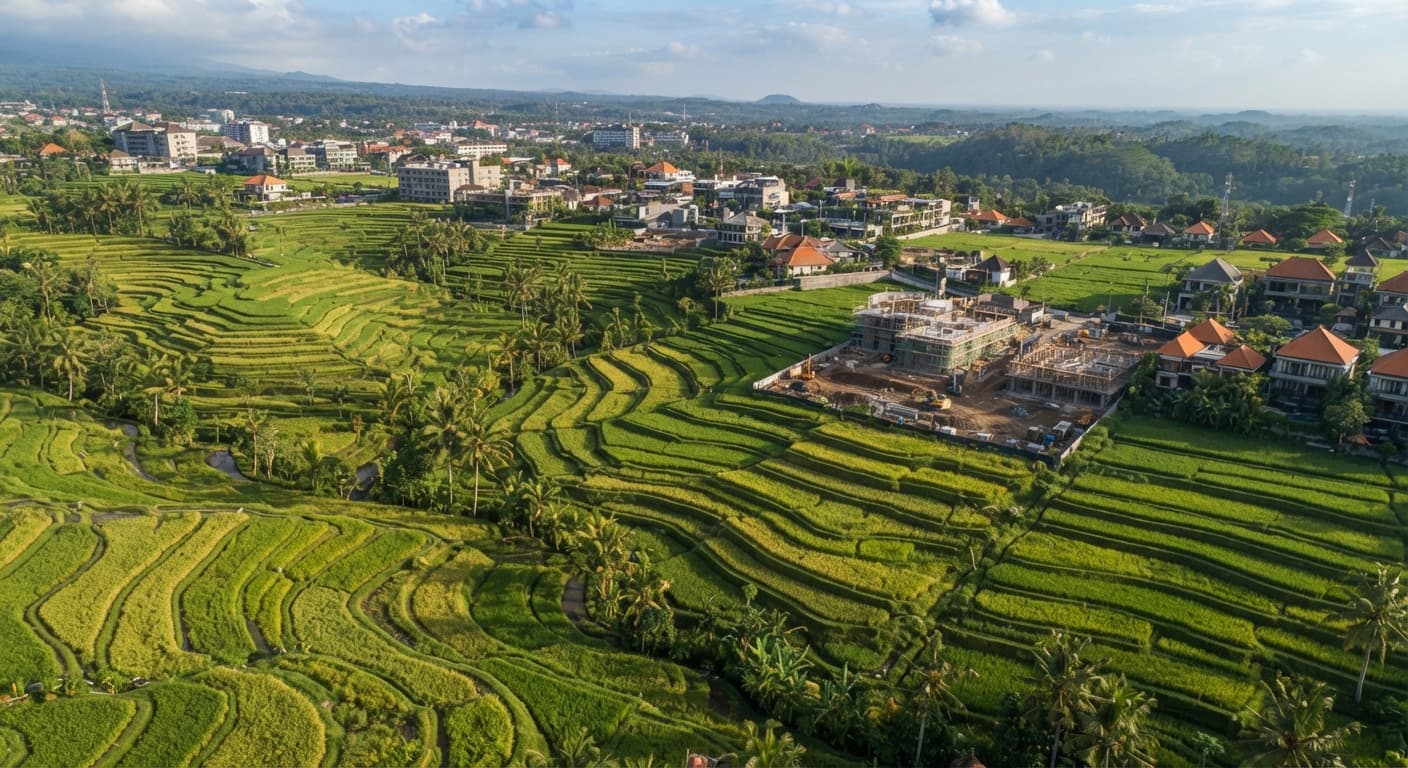
In a decisive move impacting the future of Bali's tourism landscape, the provincial government has announced a moratorium on the construction of new hotels, villas, and restaurants on productive agricultural lands. This ban comes in the wake of catastrophic flooding that has left at least 18 people dead and caused extensive damage across the island. Governor Wayan Koster emphasized the importance of preserving Bali's agricultural areas and managing its environmental resources sustainably.
The moratorium, which will take effect starting in 2025, aims to halt the ongoing trend of converting fertile lands into commercial properties. Governor Koster articulated the urgency of this initiative, stating, "Starting in 2025 and in accordance with Bali's 100th Anniversary celebrations, there will be no further conversion of productive land for commercial purposes, such as hotels and restaurants. I have issued this instruction to the Regents and Mayors." This directive signifies a strategic pivot toward prioritizing the island's ecological health over expanding the tourism sector.
The decision arose after a joint meeting held on September 15, 2025, involving key figures including Hanif Faisol Nurofiq, the Minister of Environment and Forestry, local regents, and the Bali Provincial Leadership Communication Forum. During this meeting, the critical state of the Ayung River Basin was highlighted, revealing that only 3% of its original forest cover remains. Minister Nurofiq underscored the dire consequences of this environmental degradation, noting, "If only 3 percent of the forest cover remains, the capacity to withstand and absorb rainfall is clearly very low." This lack of tree cover has been directly linked to increased flooding risks.
Furthermore, data indicates that Bali has lost approximately 459 hectares of forest in the past decade, which has significantly diminished its environmental carrying capacity. The Minister's comments reflect a growing consensus that Bali's spatial planning must be reevaluated to mitigate vulnerabilities to hydrometeorological disasters. He stated, "Bali cannot act carelessly. Its spatial planning must be reviewed, as its position is already highly vulnerable to hydrometeorological disasters." This sentiment was echoed by Governor Koster, who called for a renewed commitment to environmental sustainability.
In light of the recent flooding, the government has initiated evaluations of the Strategic Environmental Assessment (KLHS) for Bali's spatial planning, with an emphasis on protecting the island's rivers as essential lifelines. Governor Koster remarked, "Rivers are a source of life, and we must protect Bali's ecosystem for future generations." This statement encapsulates the broader recognition that Bali's future tourism viability hinges on its environmental stewardship.
The moratorium has sparked varied reactions among stakeholders in Bali's tourism sector. While some celebrate the move as a necessary step toward sustainability, others express concern over its potential impact on the local economy, which heavily relies on tourism-related developments. As Bali prepares for its centennial celebrations, the balancing act between ecological preservation and economic growth remains a contentious issue.
In conclusion, Bali's government has taken a landmark step in addressing the dual challenges of environmental degradation and tourism pressure. As the island grapples with the repercussions of recent flooding, the moratorium represents a critical juncture in redefining its development trajectory. The success of this initiative will depend on effective implementation and the willingness of all stakeholders to prioritize the long-term health of Bali's environment over short-term economic gains.

Read Also from Other Categories

Emerging Trends in Bali's Adventure Tourism: Thrilling New Experiences Await
Bali's adventure tourism sector is rapidly evolving, offering visitors thrilling experiences that go beyond traditional attractions. From canyoning in Ubud to zip-lining in Gianyar, the island is becoming a hub for adrenaline seekers and nature enthusiasts alike.

Investors Shift Focus to Bali's Innovative Aquaculture Ventures in 2023
Bali's aquaculture sector has seen a remarkable 35% increase in investment this year, attracting both local and international funding. The surge is driven by a growing demand for sustainable seafood and innovative farming techniques.

Canggu Residents Alarmed by Rising Incidents of Coastal Erosion
As Canggu's picturesque coastline faces increasing erosion, local residents and businesses express urgent concerns. The ongoing erosion threatens homes, livelihoods, and the area's renowned tourism appeal.

Community-Led Initiatives Foster Urban Infrastructure Growth in Denpasar
Residents of Denpasar are taking the lead in improving urban infrastructure through collaborative projects. Local government support amplifies these initiatives, aiming to enhance the city's livability amidst rapid urbanization.
Bali's New Career Hub: Empowering Local Job Seekers with Innovative Training
Bali's job seekers are gaining new opportunities through a strategic partnership between local businesses and vocational training centers. This initiative aims to equip the workforce with essential skills to meet the demands of a rapidly changing job market.
Navigating Bali's Evolving Social Landscape: Challenges and Opportunities
As Bali grapples with increasing social disparities, experts urge a reevaluation of community policies. Understanding these shifts is crucial for fostering a more equitable future for all residents.
Comments (0)
No comments yet. Be the first!