Bali Governor Blocks Foreign Investment in Small Businesses to Protect Locals
Governor Wayan Koster enforces a ban on foreign investment across 18 sectors to safeguard local livelihoods from exploitation.
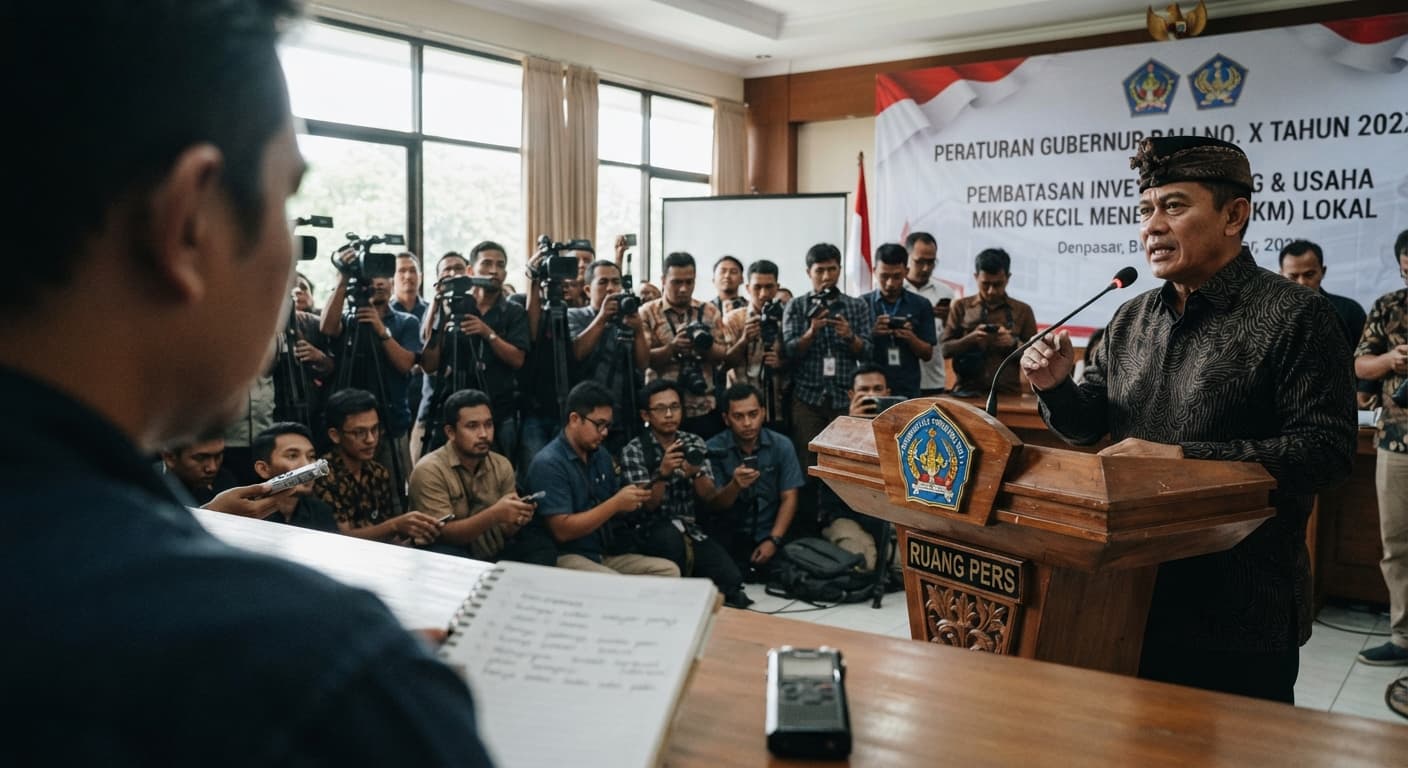
Bali's Governor Wayan Koster announced a significant policy shift designed to protect local businesses from foreign investment exploitation, citing concerns over loopholes in existing regulations that threaten the livelihoods of Balinese residents. The governor's decision comes at a pivotal moment when the island grapples with the dual pressures of rising foreign investment and the preservation of local economic integrity.
Effective immediately, the new policy restricts foreign investment in 18 specific sectors, which include vital areas such as hospitality, cafes, and motorbike rentals. This decisive move aims to ensure that economic benefits remain within the local community and that the cultural and social fabric of Bali is not compromised by external commercial pressures.
During a press conference in Denpasar, Governor Koster expressed his deep concerns over the impact of unchecked foreign investment on small and medium-sized enterprises (SMEs). "We must prioritize the welfare of our local entrepreneurs and protect our cultural heritage from being overshadowed by foreign interests," he stated, emphasizing that the new regulations are a necessary measure to prevent the exploitation of Bali's resources and people.
The backdrop of this policy stems from a growing recognition of the negative externalities associated with foreign capital influx in Bali, particularly in sectors that are crucial to the identity and economy of the island. Local businesses have reported feeling the pressure as foreign investors often leverage their financial power to gain footholds in the market, sometimes leading to the displacement of smaller, family-owned enterprises.
Moreover, the governor's office has highlighted several instances where foreign entities have taken advantage of legal loopholes to circumvent existing regulations, thereby undermining local businesses. By closing these gaps, Koster aims to foster a more equitable economic landscape where local entrepreneurs can thrive without the overwhelming competition posed by foreign investment.
This policy shift is not without its critics, as some stakeholders argue that foreign investment can bring much-needed capital and expertise to Bali's evolving economy. However, Koster remains firm in his stance, pointing out that the long-term sustainability of Bali's economy hinges on its ability to nurture local talent and entrepreneurship. "We must create an environment where our local businesses can flourish without fear of being outcompeted by foreign capital," he asserted.
The implications of this decision are profound, as Bali seeks to balance economic growth with the preservation of its unique cultural identity. The governor's office has indicated that further evaluations and adjustments to the investment climate may be necessary as the situation evolves, with ongoing discussions planned to engage local stakeholders in the decision-making process.
As Bali continues to navigate the complexities of globalization and tourism, the governor's initiative represents a critical step toward prioritizing local interests in economic policy. The community's response to this ban has been largely positive, with many local business owners expressing relief and support for the government's protective measures. "For too long, we have watched our local businesses struggle against foreign competition. This is a welcome change," said Nyoman, a local café owner in Ubud.
Looking ahead, the governor's office plans to monitor the effects of this policy closely and is committed to addressing any challenges that may arise as a result of these restrictions. While some may see this as a barrier to growth, Koster believes it is a necessary safeguard for the future of Bali's economy. "By putting our people first, we are ensuring that Bali remains a place where local culture and community thrive," he concluded.


Read Also from Other Categories

Emerging Trends in Bali's Adventure Tourism: Thrilling New Experiences Await
Bali's adventure tourism sector is rapidly evolving, offering visitors thrilling experiences that go beyond traditional attractions. From canyoning in Ubud to zip-lining in Gianyar, the island is becoming a hub for adrenaline seekers and nature enthusiasts alike.

Investors Shift Focus to Bali's Innovative Aquaculture Ventures in 2023
Bali's aquaculture sector has seen a remarkable 35% increase in investment this year, attracting both local and international funding. The surge is driven by a growing demand for sustainable seafood and innovative farming techniques.

Canggu Residents Alarmed by Rising Incidents of Coastal Erosion
As Canggu's picturesque coastline faces increasing erosion, local residents and businesses express urgent concerns. The ongoing erosion threatens homes, livelihoods, and the area's renowned tourism appeal.

Community-Led Initiatives Foster Urban Infrastructure Growth in Denpasar
Residents of Denpasar are taking the lead in improving urban infrastructure through collaborative projects. Local government support amplifies these initiatives, aiming to enhance the city's livability amidst rapid urbanization.
Bali's New Career Hub: Empowering Local Job Seekers with Innovative Training
Bali's job seekers are gaining new opportunities through a strategic partnership between local businesses and vocational training centers. This initiative aims to equip the workforce with essential skills to meet the demands of a rapidly changing job market.

Navigating Bali's Evolving Social Landscape: Challenges and Opportunities
As Bali grapples with increasing social disparities, experts urge a reevaluation of community policies. Understanding these shifts is crucial for fostering a more equitable future for all residents.
Comments (0)
No comments yet. Be the first!