Bali Government's New Traffic Plan Aims to Tackle Congestion
The Bali provincial government has unveiled a comprehensive traffic management plan to tackle severe congestion in tourist hotspots like Canggu and Ubud, backed by an IDR 1.2 trillion budget. Governor Wayan Koster announced the initiative, which includes new roads and digital monitoring, aiming to boost both resident quality of life and the tourism economy.
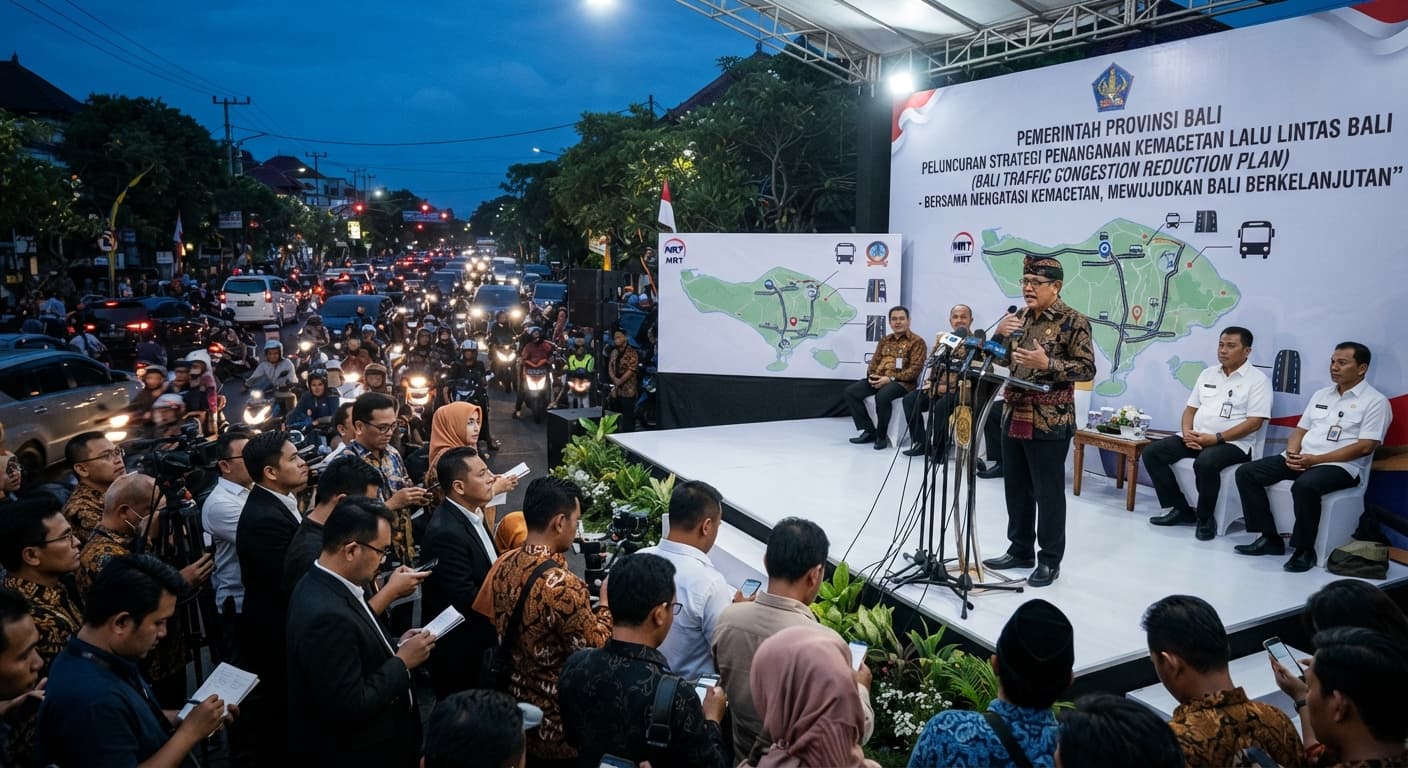
The Bali provincial government has announced a sweeping new traffic management plan designed to ease chronic congestion in the island's most visited areas, including Canggu and Ubud. The initiative, slated to take effect in January 2024, was unveiled by Governor Wayan Koster on Monday, who framed it as a critical step for both local communities and the tourism industry that underpins the island's economy.
Speaking at a press conference at the governor's office in Renon, Koster outlined a three-pronged approach that includes the construction of new roads, the deployment of a digital traffic monitoring system, and stricter vehicle regulations in densely populated tourist zones. The government has earmarked an estimated IDR 1.2 trillion (approximately USD 77 million) for the project, which is expected to be implemented over the next three years.
"Our goal is to create a more sustainable and efficient transportation network that benefits everyone," Koster said, emphasizing the need to balance economic growth with the well-being of residents and visitors alike. The plan comes as Bali continues to grapple with the dual pressures of surging tourist arrivals and a rapidly growing local population, which have stretched existing infrastructure to its limits.
Bali's traffic woes are not new. The island has long struggled with congestion, particularly along the narrow roads connecting popular destinations such as Seminyak, Kuta, and Uluwatu. Previous efforts to mitigate the problem, including the construction of bypass roads and the introduction of ride-sharing services, have offered only temporary reprieve. The new plan, however, aims to address the issue more systematically by integrating infrastructure development with technology-driven traffic management.
Local business owners have welcomed the announcement, expressing hope that improved traffic flow will enhance the tourist experience and, in turn, support their livelihoods. Wayan Suarjaya, a shop owner in Canggu, said, "Easing traffic will undoubtedly enhance the experience for tourists and improve daily life for residents." His sentiment reflects a broader optimism among small business operators who have seen visitor numbers rise but also face the daily frustration of gridlocked streets.
The economic stakes are high. Tourism accounts for a significant portion of Bali's GDP, and visitor satisfaction is closely tied to the ease of getting around the island. Industry analysts suggest that reducing travel times could encourage longer stays and higher spending, while also making Bali a more attractive destination for repeat visitors. The construction phase itself is expected to create numerous job opportunities, providing a short-term boost to the local economy.
Yet the plan has not been without its critics. Environmental activists have raised concerns about the ecological impact of new infrastructure, particularly in areas known for their natural beauty. Made Putra, an environmental activist based in Denpasar, warned that unchecked construction could harm Bali's fragile ecosystems. "We need to ensure that sustainable practices are at the core of this initiative," he said, urging the government to prioritize green building methods and minimize disruption to natural habitats.
Others question whether the plan goes far enough to address the root causes of congestion, such as the rapid proliferation of private vehicles and the lack of reliable public transportation. Some experts argue that a more comprehensive approach, including the expansion of bus networks and incentives for carpooling, is necessary to achieve lasting change.
Despite these concerns, the provincial government has signaled a commitment to community engagement throughout the implementation process. Officials plan to hold public consultations and will monitor the project's effectiveness, making adjustments as needed. "We are open to feedback and will adapt our strategies to ensure the best outcomes for all stakeholders," Koster added.
If successful, the initiative could serve as a model for other Indonesian provinces facing similar challenges. As the project progresses, observers will be watching closely to see whether Bali can deliver on its ambitious promises while navigating the complex interplay of economic, social, and environmental factors.



Read Also from Other Categories

Emerging Trends in Bali's Adventure Tourism: Thrilling New Experiences Await
Bali's adventure tourism sector is rapidly evolving, offering visitors thrilling experiences that go beyond traditional attractions. From canyoning in Ubud to zip-lining in Gianyar, the island is becoming a hub for adrenaline seekers and nature enthusiasts alike.

Investors Shift Focus to Bali's Innovative Aquaculture Ventures in 2023
Bali's aquaculture sector has seen a remarkable 35% increase in investment this year, attracting both local and international funding. The surge is driven by a growing demand for sustainable seafood and innovative farming techniques.

Canggu Residents Alarmed by Rising Incidents of Coastal Erosion
As Canggu's picturesque coastline faces increasing erosion, local residents and businesses express urgent concerns. The ongoing erosion threatens homes, livelihoods, and the area's renowned tourism appeal.

Community-Led Initiatives Foster Urban Infrastructure Growth in Denpasar
Residents of Denpasar are taking the lead in improving urban infrastructure through collaborative projects. Local government support amplifies these initiatives, aiming to enhance the city's livability amidst rapid urbanization.
Bali's New Career Hub: Empowering Local Job Seekers with Innovative Training
Bali's job seekers are gaining new opportunities through a strategic partnership between local businesses and vocational training centers. This initiative aims to equip the workforce with essential skills to meet the demands of a rapidly changing job market.

Navigating Bali's Evolving Social Landscape: Challenges and Opportunities
As Bali grapples with increasing social disparities, experts urge a reevaluation of community policies. Understanding these shifts is crucial for fostering a more equitable future for all residents.
Comments (0)
No comments yet. Be the first!