Bali Faces New Weather Crisis After Worst Floods in a Decade
As Bali recovers from devastating floods, authorities warn of another week of extreme weather, raising concerns over safety and infrastructure.
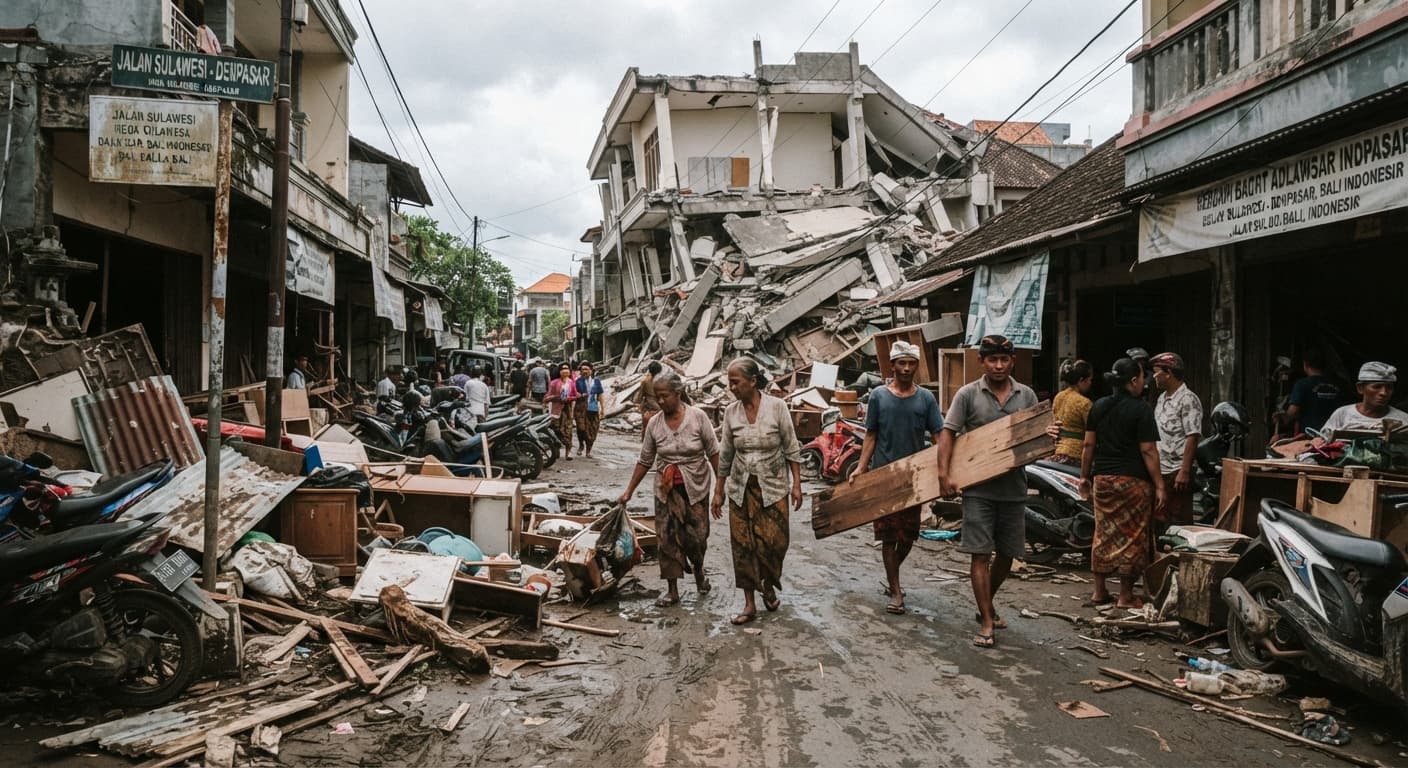
DENPASAR, Bali - In the aftermath of the most severe flooding the island has experienced in a decade, Bali residents brace for another week of extreme weather as Indonesia's Meteorology, Climatology, and Geophysics Agency (BMKG) issues urgent warnings for heavy rainfall and strong winds. Streets in Denpasar, particularly on Jalan Sulawesi, remain eerily quiet, with remnants of debris scattered from a flash flood that swept through the area just days earlier, leading to the collapse of a multi-story building on September 10.
"This was the worst flooding I have ever seen; it felt like the rain would never stop," recalls Rina, a local shopkeeper who watched helplessly as waters rose within her store. The flood's toll has been devastating, with the National Disaster Mitigation Agency (BNPB) reporting a death toll of 18 and at least two individuals still unaccounted for.
The BMKG has warned that from September 12 to 18, various provinces across Indonesia will experience heavy rainfall, which could lead to further floods and landslides. "The current atmospheric dynamics are triggering heavy to very heavy rainfall that must be anticipated by both the public and local governments," said BMKG chief Dwikorita Karnawati during a press briefing.
In the lead-up to these warnings, the island recorded over 120 flood points across seven districts, with Denpasar being particularly hard hit, accounting for 81 of those locations. Riau, Bangka Belitung, Jakarta, and several provinces in Java are among those forecasted to experience significant rainfall, with Jembrana recording an astonishing 385.5 millimeters in a single day.
The environmental strain is compounded by inadequate drainage systems and increased urbanization, which have reduced the natural absorption capacity of the land. "We have seen how land-use changes from green zones to commercial and residential areas have worsened the flooding impact," Karnawati noted. This situation has prompted calls for immediate action from residents and local authorities to clear drainage systems and prepare for the impending weather.
On the ground, recovery efforts are ongoing, with search and rescue teams from Basarnas actively looking for the missing individuals in flooded areas. With over 185 residents evacuated from their homes, temporary shelters have been set up in community centers across Bali. "We never expected this kind of disaster; we need help and support to get back on our feet," said Yuli, a resident of Gianyar, whose family has been displaced.
The BMKG's warnings indicate that a tropical cyclone seed, identified as 93S in the Indian Ocean, is further intensifying the rainfall potential. From September 15 to 18, the forecast shifts to Central and East Java, South Sulawesi, and parts of Papua, highlighting the widespread risks facing the archipelago.
As Bali grapples with the aftermath of its worst hydrometeorological disaster, the BMKG urges residents to stay alert for further updates and to heed warnings from local authorities. "With preparedness and proper mitigation, we can reduce the risks from the extreme weather that will persist in the coming days," Karnawati emphasized. The call to action is clear: communities must work together to safeguard their homes and futures as they navigate the challenges posed by a changing climate.
As the sun sets over Bali, casting a golden hue on the flood-ravaged landscapes, the resilience of the island's communities shines through. Local leaders are rallying support for those affected, fostering a spirit of solidarity amidst the chaos. Yet, with nature’s fury still looming, the threat of further calamity hangs heavily in the air.



Read Also from Other Categories

Emerging Trends in Bali's Adventure Tourism: Thrilling New Experiences Await
Bali's adventure tourism sector is rapidly evolving, offering visitors thrilling experiences that go beyond traditional attractions. From canyoning in Ubud to zip-lining in Gianyar, the island is becoming a hub for adrenaline seekers and nature enthusiasts alike.

Local Farmers Rally for Support Amid Bali's Agricultural Policy Shift
As Bali's provincial government implements new agricultural policies, local farmers express concerns over their livelihoods. The shift aims to modernize practices but raises questions about sustainability and community impact.

Investors Shift Focus to Bali's Innovative Aquaculture Ventures in 2023
Bali's aquaculture sector has seen a remarkable 35% increase in investment this year, attracting both local and international funding. The surge is driven by a growing demand for sustainable seafood and innovative farming techniques.

Community-Led Initiatives Foster Urban Infrastructure Growth in Denpasar
Residents of Denpasar are taking the lead in improving urban infrastructure through collaborative projects. Local government support amplifies these initiatives, aiming to enhance the city's livability amidst rapid urbanization.
Bali's New Career Hub: Empowering Local Job Seekers with Innovative Training
Bali's job seekers are gaining new opportunities through a strategic partnership between local businesses and vocational training centers. This initiative aims to equip the workforce with essential skills to meet the demands of a rapidly changing job market.

Navigating Bali's Evolving Social Landscape: Challenges and Opportunities
As Bali grapples with increasing social disparities, experts urge a reevaluation of community policies. Understanding these shifts is crucial for fostering a more equitable future for all residents.
Comments (0)
No comments yet. Be the first!