Bali Faces Increased Landslide Risks as Heavy Rains Persist
Heavy rainfall in Bali raises significant concerns over landslides, particularly in rural areas. Authorities are urging residents and tourists to exercise caution and stay informed as conditions worsen.
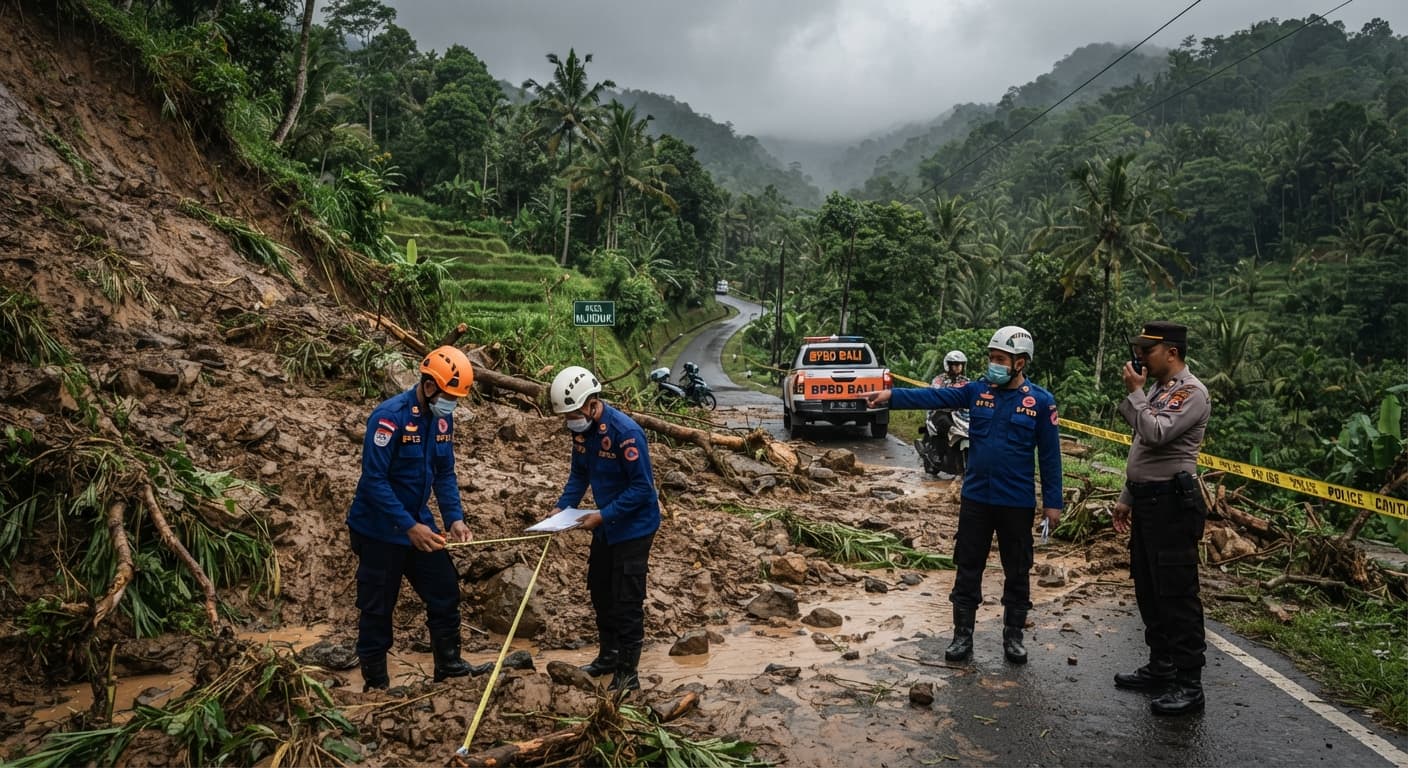
As heavy rains continue to batter Bali, authorities are increasingly concerned about the risk of landslides across the island, particularly in rural and mountainous areas. The forecast predicts more rainfall in the coming weeks, prompting local governments and emergency services to prepare for potential disasters.
In recent weeks, several regions have already experienced minor landslides, disrupting local roadways and damaging properties. The Bali Disaster Management Agency reported that areas such as Buleleng and Karangasem have been particularly affected, with residents in these regions advised to remain vigilant. "We are monitoring the situation closely and have teams ready to respond if necessary," said the Head of the Bali Disaster Management Agency.
Local authorities have issued warnings to residents and tourists alike, advising them to avoid hiking in mountainous areas and to stay clear of riverbanks, which are at a higher risk of flooding and landslides. In the past few years, Bali has seen an increase in landslide incidents, often exacerbated by heavy rains during the rainy season.
Infrastructure is another area of concern. Many roads in rural areas are narrow and poorly maintained, making them more susceptible to damage from landslides. The government has allocated funds for road improvements, but progress is slow due to budget constraints and bureaucratic delays.
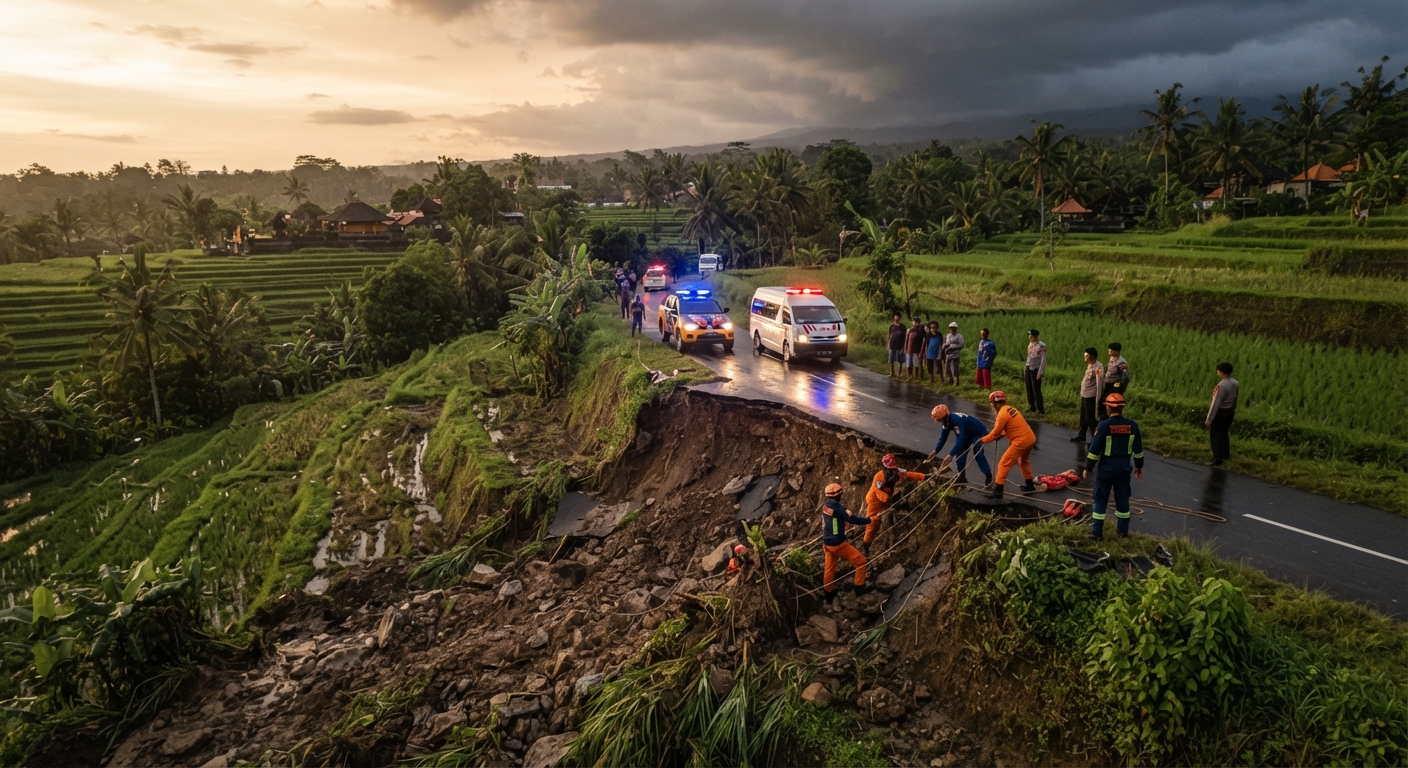
Emergency services have been conducting drills and preparing equipment to ensure that they can respond quickly to any incidents. The Bali Police and local search and rescue teams are coordinating efforts to ensure safety protocols are in place. This includes conducting safety briefings for tourists, especially in popular hiking and trekking areas.
In addition, the Bali Tourism Board has been actively promoting safety awareness campaigns aimed at both locals and visitors. These campaigns encourage people to stay informed about weather conditions and to heed warnings from local authorities. "Tourists must understand that their safety is our priority, and we urge them to listen to guidance from local experts," stated a representative from the Bali Tourism Board.
Despite the challenges, some residents have expressed frustration with the lack of proactive measures. "We are used to the rain, but the landslides are getting worse every year. We need better infrastructure and more support from the government to keep our families safe," remarked a resident of Ubud.

The potential for landslides is not only a safety concern but also poses risks to Bali's vital tourism industry. Areas popular among tourists, such as Ubud and the northern beaches, could face accessibility issues if roads are blocked or damaged. The local economy relies heavily on tourism, and any disruption can have significant impacts.
Looking ahead, the Meteorology, Climatology and Geophysics Agency has warned that the rainy season may continue longer than usual this year, increasing the likelihood of landslides. As such, residents are encouraged to stay prepared and informed. Emergency alerts will be issued through local media and social platforms to ensure widespread communication.
As Bali grapples with these ongoing weather challenges, the collaboration between government agencies, local communities, and tourists will be vital in mitigating risks and ensuring safety during this rainy season.



Read Also from Other Categories

Unveiling Bali's Art Scene: A New Chapter in Cultural Tourism
Bali's art scene is experiencing a transformative revival, attracting tourists and art enthusiasts alike. This cultural renaissance is reshaping visitor experiences and bolstering the local economy through innovative art initiatives and exhibitions.

Local Farmers Rally for Support Amid Bali's Agricultural Policy Shift
As Bali's provincial government implements new agricultural policies, local farmers express concerns over their livelihoods. The shift aims to modernize practices but raises questions about sustainability and community impact.

Investors Shift Focus to Bali's Innovative Aquaculture Ventures in 2023
Bali's aquaculture sector has seen a remarkable 35% increase in investment this year, attracting both local and international funding. The surge is driven by a growing demand for sustainable seafood and innovative farming techniques.

Community-Led Initiatives Foster Urban Infrastructure Growth in Denpasar
Residents of Denpasar are taking the lead in improving urban infrastructure through collaborative projects. Local government support amplifies these initiatives, aiming to enhance the city's livability amidst rapid urbanization.
Bali's New Career Hub: Empowering Local Job Seekers with Innovative Training
Bali's job seekers are gaining new opportunities through a strategic partnership between local businesses and vocational training centers. This initiative aims to equip the workforce with essential skills to meet the demands of a rapidly changing job market.

Cafes and Culture: The Role of Community Spaces in Bali's Recovery
As Bali emerges from the pandemic, community cafes are becoming vital hubs for cultural exchange and economic revitalization. These spaces are not only serving coffee but also fostering a sense of belonging and collaboration among locals and visitors alike.
Comments (0)
No comments yet. Be the first!