Bali Expands Immigration Services with New Offices in Tabanan and Klungkung
Bali's immigration authority enhances oversight with new offices in Tabanan and Klungkung, complemented by a 24-hour hotline.
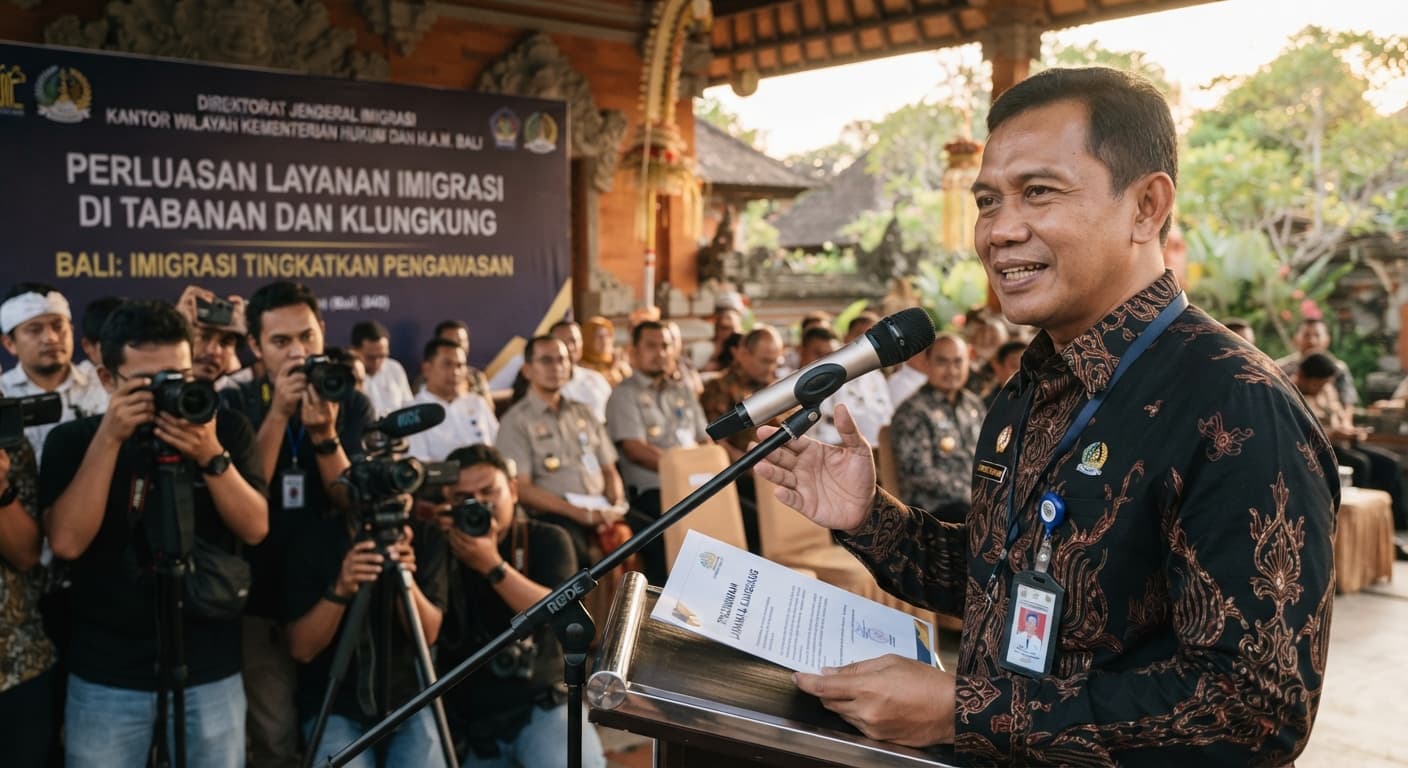
Bali's immigration authority has embarked on a significant expansion of its oversight infrastructure, officially inaugurating two new regional offices in Tabanan and Klungkung. This initiative, aimed at bolstering local governance and enhancing public safety, underscores the government's commitment to managing immigration more effectively amidst the island's growing international visitor numbers.
The new offices, strategically located in these key regencies, are designed to provide residents and visitors alike with easier access to immigration services. The establishment of these facilities is not merely a logistical improvement; it represents an adaptive response to the demands placed on Bali's immigration system by an influx of tourists and expatriates. This development comes at a time when Bali is witnessing a renaissance in tourism following the lifting of pandemic-related restrictions, with a record number of arrivals expected in the coming months.
In conjunction with the opening of these offices, the immigration authority has launched a 24-hour hotline dedicated to addressing visitor misconduct cases. This hotline is particularly significant as it aims to foster a safer environment for both locals and tourists, encouraging visitors to report any irregularities or violations of Bali's laws and customs. The hotline, which can be accessed at any time, signifies a proactive approach to maintaining order and ensuring that Bali's cultural integrity is preserved.
According to officials, the decision to establish these new immigration offices is rooted in the need to strengthen the island’s capabilities in monitoring and regulating the activities of foreigners. “Our goal is to create a safe and welcoming environment for everyone while ensuring that the rules are respected,” stated an immigration spokesperson at the recent opening ceremony. The focus on surveillance and regulation is particularly pertinent given the long-standing concerns regarding illegal activities and the potential for cultural dilution resulting from uncontrolled tourism.
Strategic Locations for Improved Accessibility
The choice of Tabanan and Klungkung as the locations for these new offices is noteworthy. Tabanan, known for its agricultural landscape and cultural heritage, draws both tourists and a sizable expatriate community. Klungkung, on the other hand, is rich in historical significance and is a gateway for visitors to the eastern islands of Indonesia. By situating immigration services in these areas, the government aims to bridge the gap between central regulatory frameworks and local realities, making it easier for residents to access necessary services without traveling long distances.
The establishment of these offices is also seen as part of a broader strategy to enhance the island’s administrative capabilities. The immigration authority’s expansion aligns with efforts to streamline processes, reduce bureaucratic inefficiencies, and improve the overall experience for both tourists and locals seeking assistance with immigration-related matters.
Addressing Visitor Misconduct Responsively
The introduction of the 24-hour hotline is a critical component of this initiative, as it not only empowers the community but also acts as a deterrent against potential misconduct. By providing a platform for immediate reporting, the immigration authority hopes to cultivate a culture of accountability among visitors. This is particularly essential in a region where tourism constitutes a major economic pillar, and ensuring compliance with local laws is imperative for sustaining the industry.
As Bali continues to recover from the impacts of the global pandemic, the expansion of immigration services reflects a forward-thinking approach to governance. The blending of proactive measures, such as the hotline and the establishment of local offices, signals a recognition of the changing dynamics of tourism and immigration in Bali.
Looking ahead, the immigration authority has indicated that these new offices will not only handle routine immigration tasks but will also serve as centers for community engagement. By fostering dialogue between local residents, expatriates, and the government, the offices aim to create a more harmonious coexistence and a shared responsibility for cultural preservation.
In conclusion, the opening of the new immigration offices in Tabanan and Klungkung, along with the introduction of a 24-hour hotline, represents a crucial step toward enhancing Bali's governance framework. It underscores the necessity of balancing the benefits of tourism with the imperative of maintaining local cultural integrity and public safety. As the island welcomes a renewed influx of visitors, these developments will play a vital role in shaping a sustainable future for Bali.



Read Also from Other Categories

Emerging Trends in Bali's Adventure Tourism: Thrilling New Experiences Await
Bali's adventure tourism sector is rapidly evolving, offering visitors thrilling experiences that go beyond traditional attractions. From canyoning in Ubud to zip-lining in Gianyar, the island is becoming a hub for adrenaline seekers and nature enthusiasts alike.

Investors Shift Focus to Bali's Innovative Aquaculture Ventures in 2023
Bali's aquaculture sector has seen a remarkable 35% increase in investment this year, attracting both local and international funding. The surge is driven by a growing demand for sustainable seafood and innovative farming techniques.

Canggu Residents Alarmed by Rising Incidents of Coastal Erosion
As Canggu's picturesque coastline faces increasing erosion, local residents and businesses express urgent concerns. The ongoing erosion threatens homes, livelihoods, and the area's renowned tourism appeal.
Community-Led Initiatives Foster Urban Infrastructure Growth in Denpasar
Residents of Denpasar are taking the lead in improving urban infrastructure through collaborative projects. Local government support amplifies these initiatives, aiming to enhance the city's livability amidst rapid urbanization.
Bali's New Career Hub: Empowering Local Job Seekers with Innovative Training
Bali's job seekers are gaining new opportunities through a strategic partnership between local businesses and vocational training centers. This initiative aims to equip the workforce with essential skills to meet the demands of a rapidly changing job market.
Navigating Bali's Evolving Social Landscape: Challenges and Opportunities
As Bali grapples with increasing social disparities, experts urge a reevaluation of community policies. Understanding these shifts is crucial for fostering a more equitable future for all residents.
Comments (0)
No comments yet. Be the first!