Bali Advances Waste-to-Energy Initiative with Danantara Support
Bali's new waste-to-energy plant, supported by Danantara, aims to process 120 tonnes of waste daily as part of its commitment to net-zero emissions by 2045.
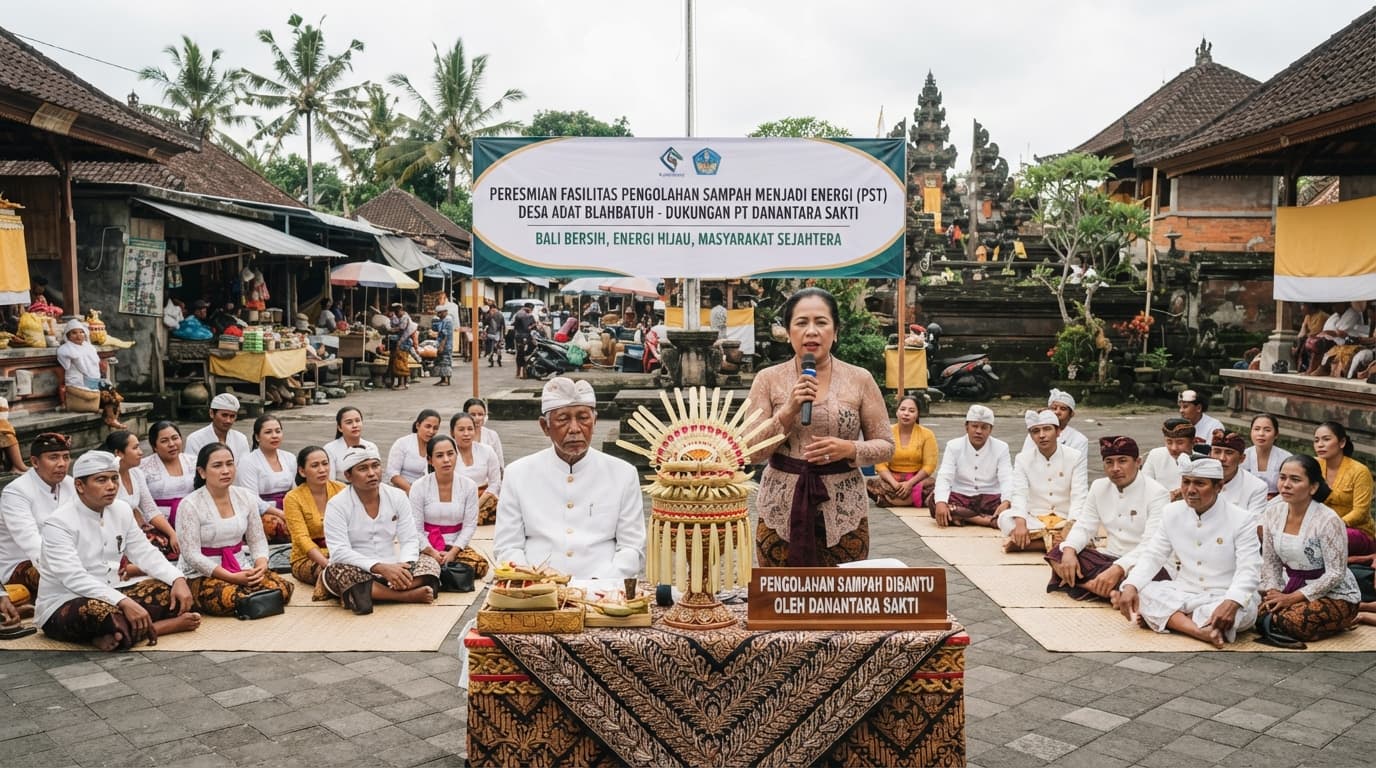
In a significant step towards achieving its ambitious environmental goals, Bali is set to establish a waste-to-energy facility, backed by the sovereign wealth fund Danantara. The construction of this facility, which is designed to process approximately 120 tonnes of waste per day, is slated to commence in June 2026. This initiative is a crucial element of Bali's broader roadmap aimed at attaining net-zero emissions by the year 2045.
The need for such a facility has become increasingly urgent as Bali grapples with the challenges of waste management exacerbated by a burgeoning tourism industry that generates substantial amounts of waste. According to recent estimates, the island produces more than 1,000 tonnes of waste daily, a figure that has grown significantly as the region's popularity has surged. The proposed waste-to-energy plant is not merely a response to the immediate waste crisis but also a proactive measure aligned with global trends towards sustainable energy solutions.
Governor Wayan Koster underscored the importance of this project, stating, "The waste-to-energy plant will not only help in managing our waste but also contribute to renewable energy production, which is vital for our island’s sustainability." The governor's remarks reflect a growing recognition of the interconnected nature of waste management and energy production, particularly in a region that relies heavily on tourism and is vulnerable to the impacts of climate change.
The project is expected to significantly reduce the volume of waste sent to landfills while simultaneously generating energy that can be harnessed to power local communities. Furthermore, by processing organic waste, the facility will contribute to reducing greenhouse gas emissions, which are a significant concern for the island's ecological balance.
Partnership with Danantara
The collaboration with Danantara, a prominent sovereign wealth fund, highlights the increasing involvement of private investment in public sustainability projects. This partnership is anticipated to not only provide the necessary financial backing for the construction and operation of the plant but also bring in technical expertise crucial for the successful implementation of the facility. Danantara's involvement underscores a shift towards more innovative and effective solutions for waste management in Indonesia.
As Bali positions itself as a leader in sustainable practices, the waste-to-energy plant represents a pivotal moment in the island's environmental strategy. The initiative aligns with Indonesia's national goals of reducing carbon emissions and transitioning towards renewable energy sources. It reflects a broader movement within the nation to address environmental issues through sustainable development practices.
However, the road to establishing such a facility is fraught with challenges. Local communities must be engaged and informed about the benefits and operations of the plant to ensure public support. There is also the need for rigorous environmental assessments to mitigate any potential adverse effects on the surrounding areas. As such, stakeholders are urged to focus on transparency and community involvement throughout the project's lifecycle.
Looking ahead, the waste-to-energy plant is not just about waste management; it is a blueprint for future projects that integrate sustainability with economic development. As Bali continues to evolve, the implications of this initiative extend beyond environmental benefits, potentially fostering job creation and enhancing energy security for the island's residents.
In conclusion, Bali's push for a waste-to-energy facility, supported by Danantara, marks an important milestone in the island's quest for sustainable development. As construction approaches, it will be imperative for all parties involved to maintain a focus on community engagement, environmental integrity, and the long-term vision of a net-zero emissions future.



Read Also from Other Categories

Emerging Trends in Bali's Adventure Tourism: Thrilling New Experiences Await
Bali's adventure tourism sector is rapidly evolving, offering visitors thrilling experiences that go beyond traditional attractions. From canyoning in Ubud to zip-lining in Gianyar, the island is becoming a hub for adrenaline seekers and nature enthusiasts alike.

Local Farmers Rally for Support Amid Bali's Agricultural Policy Shift
As Bali's provincial government implements new agricultural policies, local farmers express concerns over their livelihoods. The shift aims to modernize practices but raises questions about sustainability and community impact.

Investors Shift Focus to Bali's Innovative Aquaculture Ventures in 2023
Bali's aquaculture sector has seen a remarkable 35% increase in investment this year, attracting both local and international funding. The surge is driven by a growing demand for sustainable seafood and innovative farming techniques.

Canggu Residents Alarmed by Rising Incidents of Coastal Erosion
As Canggu's picturesque coastline faces increasing erosion, local residents and businesses express urgent concerns. The ongoing erosion threatens homes, livelihoods, and the area's renowned tourism appeal.
Bali's New Career Hub: Empowering Local Job Seekers with Innovative Training
Bali's job seekers are gaining new opportunities through a strategic partnership between local businesses and vocational training centers. This initiative aims to equip the workforce with essential skills to meet the demands of a rapidly changing job market.

Navigating Bali's Evolving Social Landscape: Challenges and Opportunities
As Bali grapples with increasing social disparities, experts urge a reevaluation of community policies. Understanding these shifts is crucial for fostering a more equitable future for all residents.
Comments (0)
No comments yet. Be the first!