Opinion: Bali Needs Balance Between Tourism and Cultural Preservation
Bali's rapid tourism growth threatens its cultural identity, warns cultural expert I Made Sukerta, urging government and community collaboration for sustainable development. The island faces challenges including commercialization of ceremonies, land conversion, and declining use of the Balinese language among youth.
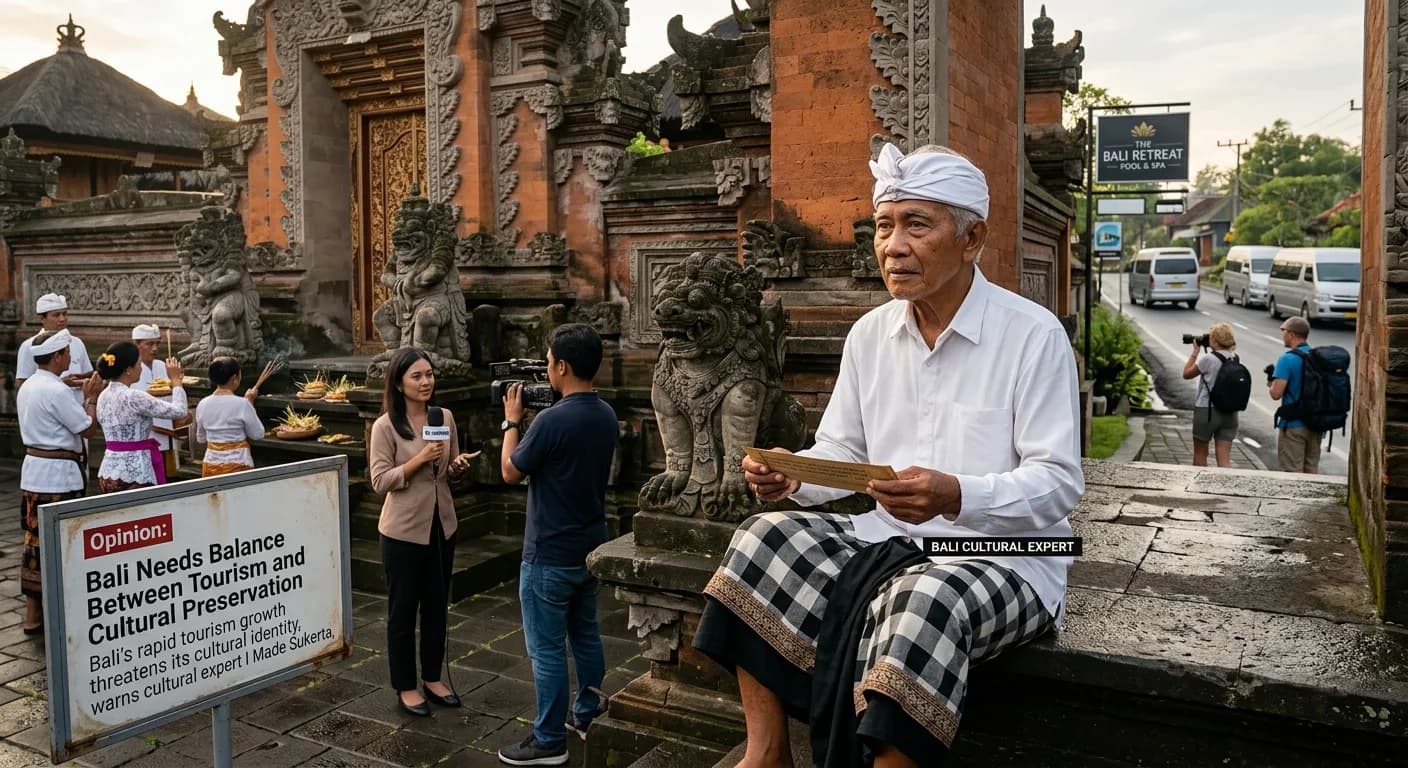
Bali, long celebrated as a world-class tourism destination, is at a crossroads where economic prosperity clashes with the preservation of its unique cultural heritage. In a pointed opinion piece, I Made Sukerta, a prominent Balinese cultural expert, warns that the island's rapid tourism growth is eroding the very values that attract millions of visitors each year. He calls for urgent, collaborative action to ensure that Bali's cultural identity survives the pressures of commercialization.
Sukerta, who has spent decades documenting and teaching Balinese traditions, highlights several alarming trends. Traditional ceremonies, once intimate community rituals, are increasingly staged for tourist consumption, with sacred dances and offerings reduced to photo opportunities. Agricultural land, the backbone of the island's subak irrigation system and its spiritual connection to the land, is being converted at an alarming rate into hotels, villas, and commercial centers. Meanwhile, the Balinese language, a cornerstone of cultural identity, is losing ground among the younger generation, who increasingly communicate in Indonesian and English.
According to data from the Bali Central Bureau of Statistics, tourist arrivals reached 6.3 million in 2023, a 72% increase from the previous year, and numbers continue to climb. The tourism sector accounts for nearly 60% of Bali's regional GDP, making it the island's economic lifeblood. However, this dependence has come at a cost. Environmental degradation, water shortages in southern Bali, and the displacement of local communities have become pressing concerns, prompting even the central government to acknowledge the need for a more balanced approach.
"We are not against tourism," Sukerta said in an interview. "Tourism has brought prosperity and global recognition to Bali. But we must ask ourselves: what are we sacrificing in the name of progress? If we lose our culture, we lose our soul, and then what will tourists come to see?" His words echo a growing sentiment among cultural advocates, academics, and some local leaders who fear that Bali is becoming a theme park of its former self.
The issue has also caught the attention of regional authorities. Bali Governor Wayan Koster has repeatedly emphasized the importance of cultural preservation, introducing policies such as the "Bali Clean and Green" initiative and restrictions on new hotel development in crowded areas. In 2023, the provincial government imposed a moratorium on new tourism projects in the southern regency of Badung, which includes the bustling resort areas of Kuta, Seminyak, and Nusa Dua. However, critics argue that enforcement remains weak and that the economic lure of tourism often overrides cultural considerations.
"The government has good intentions, but there is a gap between policy and practice," said Ni Luh Putu, a lecturer in cultural studies at Udayana University in Denpasar. "We need stronger regulations, but we also need to involve the community in decision-making. Cultural preservation cannot be imposed from above; it must be embraced by those who live it every day." Putu has been involved in community-based programs that teach traditional crafts and performing arts to young Balinese, aiming to keep these practices alive.
One of the most visible signs of cultural erosion is the fate of the subak, the traditional cooperative irrigation system that has been recognized by UNESCO as a World Heritage Site. These rice terraces, such as those in Jatiluwih and Tegalalang, are not just agricultural landscapes but are deeply tied to the Balinese Hindu philosophy of Tri Hita Karana, which emphasizes harmony between humans, nature, and the spiritual realm. Yet, many subak have been abandoned as farmers sell their land to developers, lured by high prices and the promise of quick wealth.
"My father's rice fields are now a parking lot for a resort," said Ketut Wiana, a farmer from Tabanan. "The money was good, but now I look at the land and feel a deep loss. That land was not just a source of income; it was our heritage, our connection to our ancestors." Wiana's story is not unique, and it underscores the difficult choices facing many Balinese families as they navigate the forces of globalization.
Sukerta's opinion piece also points to the erosion of the Balinese language as a critical issue. A 2022 survey by the Bali Language Center found that only 60% of Balinese youth aged 15-25 are fluent in their mother tongue, a significant drop from previous generations. The language is not just a means of communication but a repository of traditional knowledge, from ritual chants to folk tales. Its decline threatens the transmission of cultural values to future generations.
To address these challenges, Sukerta proposes a multi-pronged approach. He urges the government to implement stricter zoning laws to protect agricultural land and to create incentives for farmers to continue their work. He also calls for the integration of Balinese language and culture into the school curriculum, not just as an optional subject but as a core component. Furthermore, he advocates for a tourism model that prioritizes quality over quantity, encouraging visitors to engage with Balinese culture in a respectful and meaningful way.
The debate over tourism and cultural preservation is not new to Bali, but it has gained urgency in recent years as the island rebounds from the COVID-19 pandemic, which brought tourism to a standstill and offered a glimpse of a quieter, more sustainable future. Some community leaders have called for a "new normal" that balances economic needs with cultural and environmental sustainability. Others, however, argue that the pressure to attract tourists is too strong, and that short-term gains will continue to trump long-term preservation.
As Bali looks to the future, the words of Sukerta serve as a reminder that the island's greatest asset is not its beaches or its nightlife, but its rich and vibrant culture. "We have a choice," he writes. "We can continue on a path of unchecked growth and risk losing what makes Bali unique, or we can work together to create a model of tourism that respects and preserves our heritage. The decision is ours, and the time to act is now."
The provincial government has announced plans to hold a series of public consultations in 2024 to gather input on a new tourism master plan, which will include provisions for cultural preservation. Whether these efforts will be enough to stem the tide remains to be seen, but for many Balinese, the stakes could not be higher.

Read Also from Other Categories

Emerging Trends in Bali's Adventure Tourism: Thrilling New Experiences Await
Bali's adventure tourism sector is rapidly evolving, offering visitors thrilling experiences that go beyond traditional attractions. From canyoning in Ubud to zip-lining in Gianyar, the island is becoming a hub for adrenaline seekers and nature enthusiasts alike.

Local Farmers Rally for Support Amid Bali's Agricultural Policy Shift
As Bali's provincial government implements new agricultural policies, local farmers express concerns over their livelihoods. The shift aims to modernize practices but raises questions about sustainability and community impact.

Investors Shift Focus to Bali's Innovative Aquaculture Ventures in 2023
Bali's aquaculture sector has seen a remarkable 35% increase in investment this year, attracting both local and international funding. The surge is driven by a growing demand for sustainable seafood and innovative farming techniques.

Canggu Residents Alarmed by Rising Incidents of Coastal Erosion
As Canggu's picturesque coastline faces increasing erosion, local residents and businesses express urgent concerns. The ongoing erosion threatens homes, livelihoods, and the area's renowned tourism appeal.
Community-Led Initiatives Foster Urban Infrastructure Growth in Denpasar
Residents of Denpasar are taking the lead in improving urban infrastructure through collaborative projects. Local government support amplifies these initiatives, aiming to enhance the city's livability amidst rapid urbanization.
Bali's New Career Hub: Empowering Local Job Seekers with Innovative Training
Bali's job seekers are gaining new opportunities through a strategic partnership between local businesses and vocational training centers. This initiative aims to equip the workforce with essential skills to meet the demands of a rapidly changing job market.
Comments (0)
No comments yet. Be the first!