Emerging Trends in Bali's Sustainable Tourism Practices
Bali is witnessing a significant shift towards sustainable tourism, with a 30% increase in eco-friendly accommodations since last year. Local initiatives aim to balance economic benefits with environmental preservation, addressing the pressing need for responsible travel.

Bali's tourism industry is undergoing a remarkable transformation, with an increasing focus on sustainability and environmental responsibility. Recent statistics reveal that eco-friendly accommodations have surged by 30% compared to the previous year, reflecting a growing awareness among travelers and businesses alike.
In 2022, the number of certified green hotels in Bali reached 150, up from 115 in 2021, according to data from the Bali Tourism Agency. This increase represents a clear shift in consumer preferences, as more tourists prioritize their environmental impact when choosing accommodations. The rise of eco-friendly options is not merely a trend but a necessary response to the challenges posed by climate change and the need for sustainable practices in tourism.
One notable initiative is the Bali Sustainable Tourism Development program, launched by the provincial government in collaboration with local NGOs. This program aims to promote responsible tourism practices by providing incentives for businesses that adopt sustainable methods. As part of this initiative, the government has set a goal to have 50% of all tourism-related businesses in Bali certified as eco-friendly by 2025.
Furthermore, the demand for sustainable tourism experiences has also given rise to eco-conscious tour operators. Data from the Bali Tour Operators Association indicates that there has been a 40% increase in requests for eco-tours and nature-based activities in the past year. This trend signifies a shift towards more immersive experiences that not only educate travelers about Bali's unique ecosystems but also actively contribute to conservation efforts.

In addition to accommodations and tours, Bali's culinary scene is embracing sustainability as well. A report by the Bali Food and Beverage Association highlights that 35% of restaurants now source their ingredients locally, reducing carbon footprints and supporting local farmers. This shift not only enhances the freshness of the food but also fosters a sense of community and cultural authenticity.
However, challenges remain. Despite the positive trends, the overall tourism sector still faces pressure from mass tourism, which can undermine sustainability efforts. In 2023, Bali welcomed approximately 6 million international visitors, a number that raises concerns about the impact on local resources and the environment. The tourism ministry is working diligently to manage these numbers by promoting off-peak travel and encouraging tourists to explore lesser-known areas of the island.
Moreover, community involvement is crucial in ensuring the effectiveness of sustainable tourism practices. Local initiatives, such as beach clean-up programs and educational workshops on environmental conservation, have gained traction. More than 5,000 volunteers participated in clean-up events across Bali in the past year, showcasing the community's commitment to preserving their natural surroundings.

The shift towards sustainable tourism in Bali is not just a response to environmental crises, but a strategic move to enhance the island's appeal in a competitive global market. As more travelers seek eco-friendly options, Bali's ability to adapt will determine the future of its tourism industry.
Looking ahead, the integration of technology in sustainability efforts is also promising. Innovations such as digital platforms for eco-tourism booking and blockchain for transparent supply chains are on the rise. These technologies can facilitate better tracking of sustainable practices, ensuring that businesses adhere to eco-friendly standards.
In conclusion, Bali is at a critical juncture where sustainable tourism is not just an option but a necessity. The 30% increase in eco-friendly accommodations and the active participation of local communities indicate a collective effort to preserve the island's beauty for future generations. As stakeholders continue to embrace sustainability, Bali can set an example for other tourist destinations around the world, proving that economic growth and environmental stewardship can go hand in hand.



Read Also from Other Categories

Exploring Bali's Thriving Community-Based Tourism Initiatives
Bali is witnessing a significant rise in community-based tourism initiatives that are enhancing local engagement and visitor experiences. This trend, driven by local artisans and sustainable practices, is reshaping the tourism landscape across the island.

Jakarta's Expansion Plans Prompt Bali's Government to Rethink Land Policies
As Jakarta prepares for significant urban expansion, Bali's provincial government faces pressure to update its land use regulations. This shift aims to balance development with preservation amidst concerns from local communities.

Bali's Insurance Tech Startups Attract Major Investments Amid Global Trends
Bali's insurance technology sector is rapidly gaining traction, with several startups securing significant funding in 2023. Investors are drawn to innovative solutions addressing local and global insurance challenges, signaling a shift in the investment landscape.
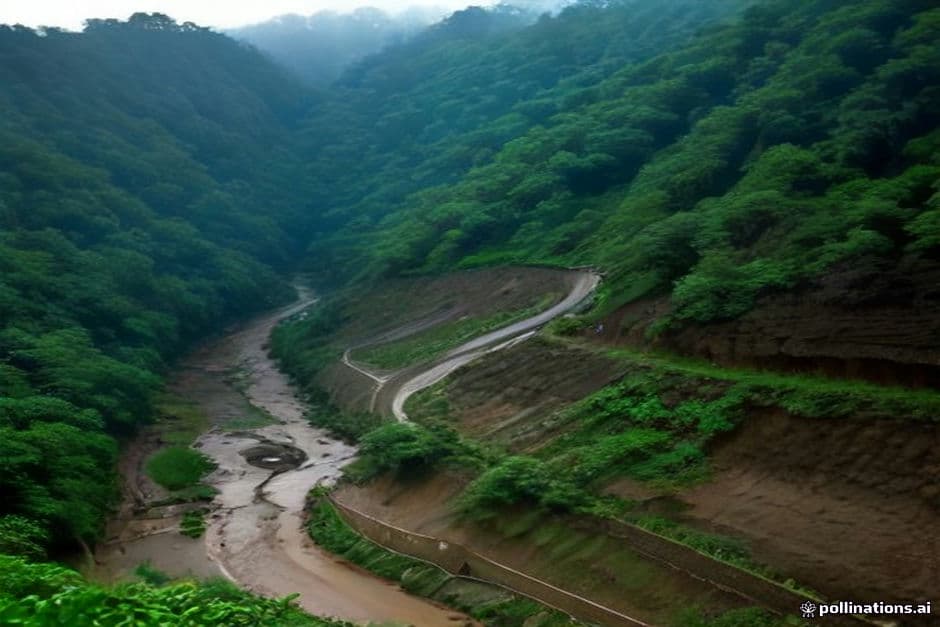
Increased Landslide Risks Challenge Bali's Remote Villages
As heavy rains persist in Bali, remote villages face heightened risks of landslides, prompting local authorities to issue safety alerts. Community leaders are calling for urgent measures to enhance infrastructure and emergency response capabilities.

Cultural Education Program Revitalizes Local Traditions in Bali Schools
A new initiative launched by Bali's education department aims to integrate local culture into school curriculums across the island. This program seeks to instill pride in Balinese heritage among the youth, fostering a deeper connection to their roots.

Job Market Transformation: Bali's Shift to Remote Work Opportunities
Bali's job market is evolving, with remote work opportunities surging by 30% in the past year. This trend is reshaping employment patterns and attracting a diverse talent pool to the island.
Comments (0)
No comments yet. Be the first!