Cultural Preservation in Bali: Balancing Tourism and Tradition
Bali's booming tourism industry is putting increasing pressure on the island's unique cultural heritage, prompting officials and local communities to seek a delicate balance between economic growth and preservation. As visitor numbers continue to climb, experts argue that sustainable tourism practices are essential to ensure that Balinese traditions endure for future generations.
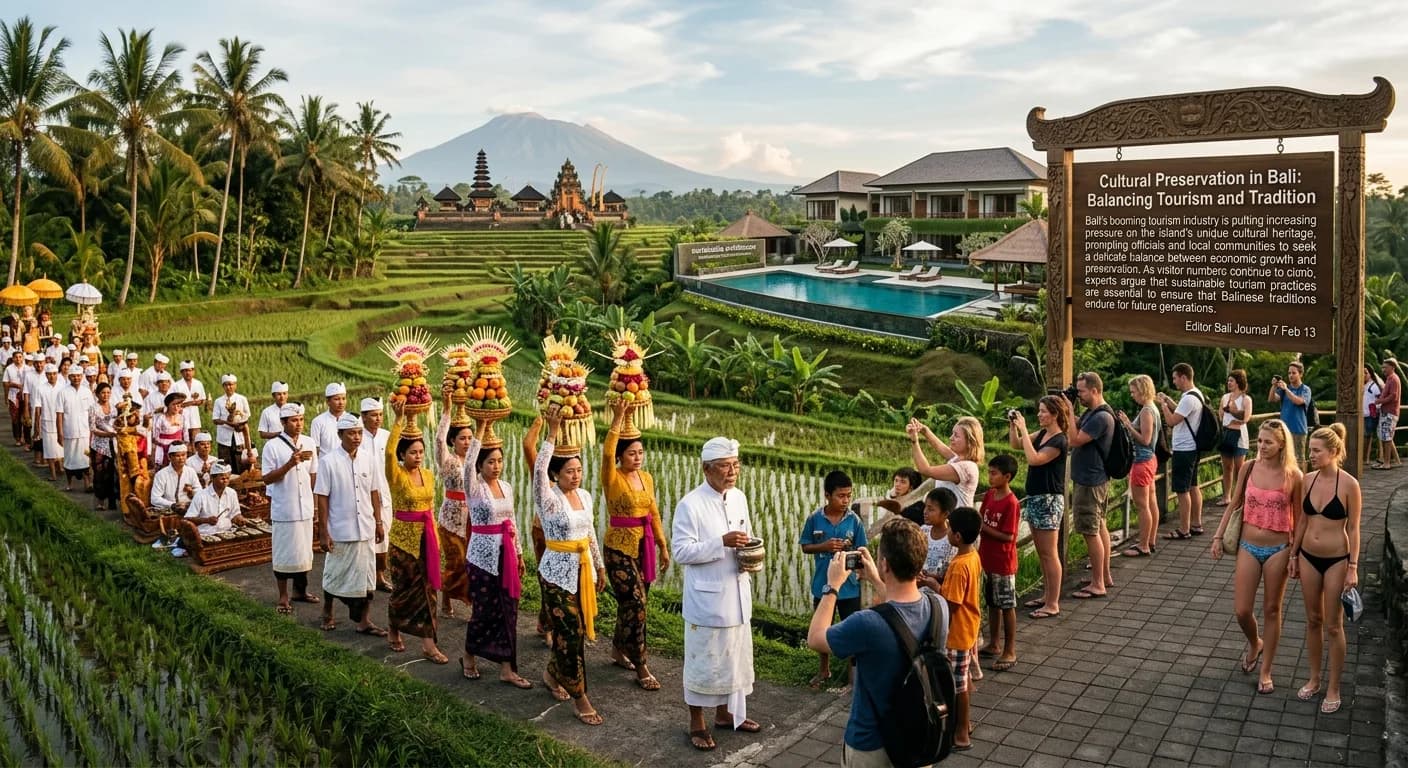
Bali, the Indonesian island renowned for its lush landscapes and rich cultural heritage, is at a crossroads as it grapples with the pressures of a booming tourism industry. According to the Bali Statistics Agency, the island welcomed over 6 million foreign tourists in 2019, a figure that has continued to rise despite the global pandemic. This influx has sparked urgent discussions among cultural experts, local officials, and community leaders about how to preserve the island's unique identity while catering to the demands of an ever-growing global audience.
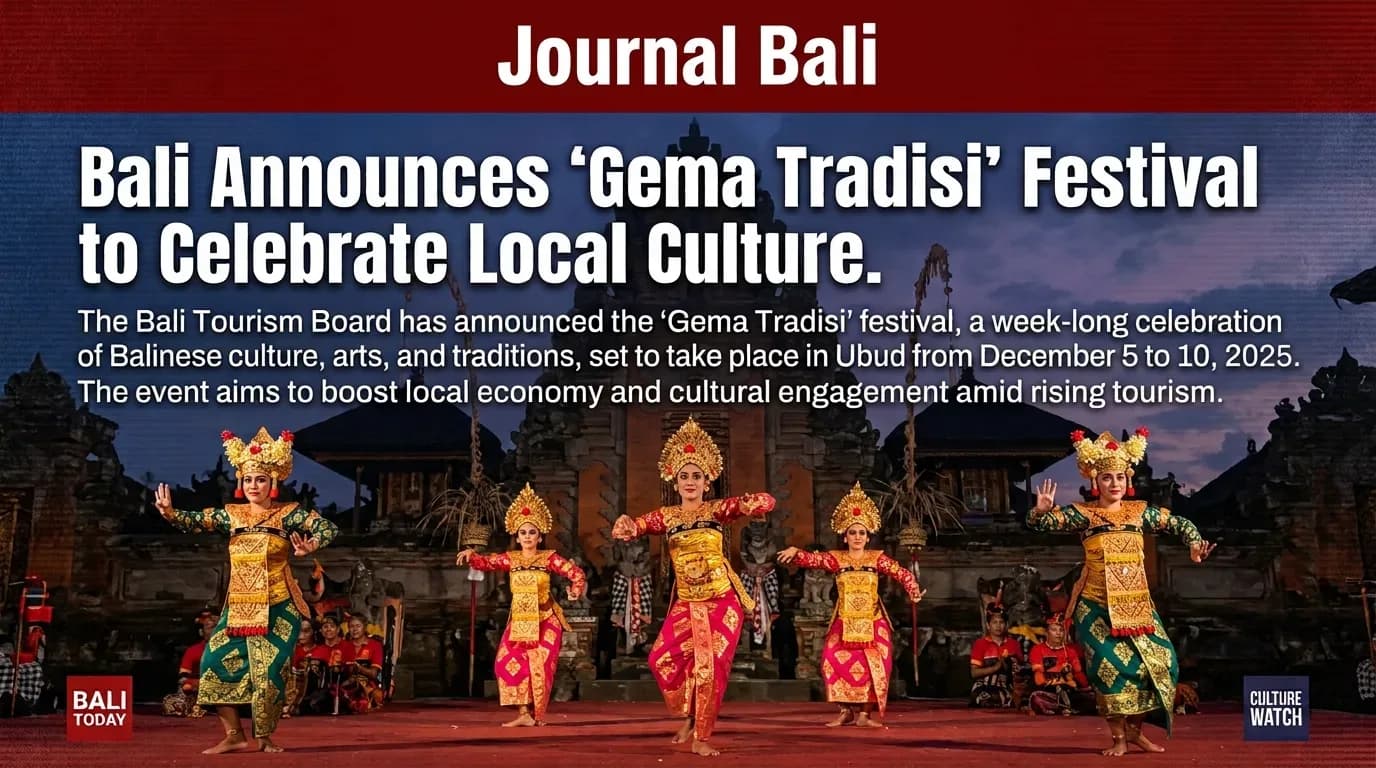
Ubud, often described as the cultural heart of Bali, has become a focal point of this tension. The town has seen a proliferation of art galleries, yoga retreats, and boutique hotels, transforming its once-quiet streets into bustling hubs of international tourism. While these developments have brought economic benefits, some locals express deep concern over the commercialization of their traditions. Traditional dance performances, once reserved for sacred ceremonies, are now routinely staged for tourists, and ancient rituals are increasingly adapted to suit visitor schedules.
"We are seeing a gradual erosion of the meaning behind our cultural practices," said I Wayan Suardana, a cultural anthropologist at Udayana University in Denpasar. "When ceremonies are performed primarily for entertainment, they lose their spiritual significance. We must find a way to share our culture without diluting it."
Officials from the Bali Cultural Agency acknowledge these challenges and say they are developing strategies to protect cultural sites and festivals, particularly in areas like Gianyar, where traditional ceremonies are at risk of being overshadowed by tourist activities. A spokesperson for the agency, who spoke on condition of anonymity, announced that ongoing discussions aim to implement stricter regulations on tourism-related developments. "We are committed to involving local communities in every decision-making process," the spokesperson said. "Their voices must be heard if we are to preserve the authenticity of our heritage."
The concerns are not unfounded. In Gianyar, home to the famous Ubud Monkey Forest and numerous ancient temples, the pressure from tourism is palpable. Local villagers report that some ceremonies have been rescheduled or shortened to accommodate tourist expectations, and that sacred spaces are increasingly being used for commercial events. "Our temples are not just tourist attractions; they are places of worship," said Ni Luh Putu Sari, a community leader in the village of Batuan. "We welcome visitors, but they must respect our customs and understand that some things are not for sale."
The economic stakes are high. Tourism is a major driver of Bali's economy, accounting for a significant portion of the island's GDP and providing employment for hundreds of thousands of residents. The pandemic dealt a severe blow to the industry, and the recovery has been uneven. In 2023, the island saw a resurgence in visitor numbers, with many hotels and businesses reporting near-full occupancy. However, this rebound has also intensified the pressure on infrastructure and cultural resources.
Experts argue that sustainable tourism practices must become a priority if Bali is to maintain its appeal while safeguarding its heritage. "Bali cannot afford to become a theme park version of itself," said Made Wijaya, a prominent landscape architect and cultural commentator. "The island's beauty lies in its authenticity. If we lose that, we lose everything." Wijaya advocates for a shift towards quality over quantity, encouraging tourists to engage with local culture in meaningful ways rather than simply passing through.
The Bali Cultural Agency's plans include stricter zoning regulations, limits on new hotel construction in culturally sensitive areas, and increased funding for the restoration of heritage sites. The agency is also working with local communities to develop tourism models that prioritize cultural education and respect. "We are exploring ways to create a more balanced relationship between tourism and tradition," the spokesperson said. "This is not about turning tourists away; it is about ensuring that our culture remains vibrant and authentic for generations to come."
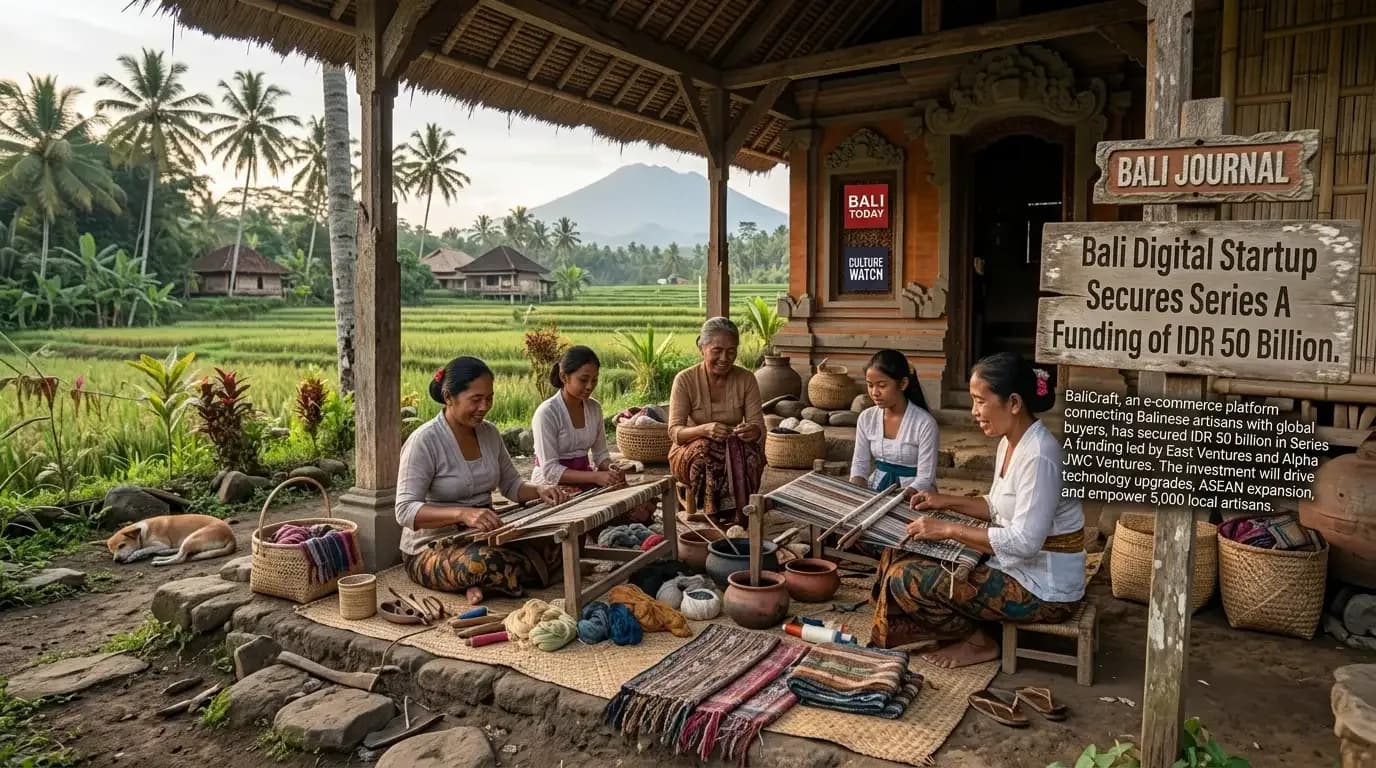
Local community groups have also stepped up efforts to preserve their heritage. In Ubud, a coalition of artists and cultural practitioners has launched an initiative to document and teach traditional crafts and performing arts to younger generations. "If we do not pass on our knowledge, it will disappear," said Ketut Puspawati, a master weaver from the village of Tenganan. "We want our children to be proud of their heritage and to see it as something to be cherished, not just something to sell."
As Bali navigates this delicate balance between economic growth and cultural preservation, the world is watching. The island's ability to adapt will serve as a test case for other destinations facing similar pressures. For now, the message from both officials and locals is clear: tourism must evolve, or it will risk destroying the very thing it seeks to celebrate.
The next steps will be crucial. The Bali Cultural Agency is expected to finalize a set of recommendations by the end of the year, which will be presented to the provincial government. These recommendations are likely to include more stringent oversight of tourism projects and a greater emphasis on community-based tourism initiatives. As the island moves forward, the hope is that Bali can find a way to welcome the world without losing its soul.

Read Also from Other Categories

Emerging Trends in Bali's Adventure Tourism: Thrilling New Experiences Await
Bali's adventure tourism sector is rapidly evolving, offering visitors thrilling experiences that go beyond traditional attractions. From canyoning in Ubud to zip-lining in Gianyar, the island is becoming a hub for adrenaline seekers and nature enthusiasts alike.

Local Farmers Rally for Support Amid Bali's Agricultural Policy Shift
As Bali's provincial government implements new agricultural policies, local farmers express concerns over their livelihoods. The shift aims to modernize practices but raises questions about sustainability and community impact.

Investors Shift Focus to Bali's Innovative Aquaculture Ventures in 2023
Bali's aquaculture sector has seen a remarkable 35% increase in investment this year, attracting both local and international funding. The surge is driven by a growing demand for sustainable seafood and innovative farming techniques.

Canggu Residents Alarmed by Rising Incidents of Coastal Erosion
As Canggu's picturesque coastline faces increasing erosion, local residents and businesses express urgent concerns. The ongoing erosion threatens homes, livelihoods, and the area's renowned tourism appeal.
Community-Led Initiatives Foster Urban Infrastructure Growth in Denpasar
Residents of Denpasar are taking the lead in improving urban infrastructure through collaborative projects. Local government support amplifies these initiatives, aiming to enhance the city's livability amidst rapid urbanization.
Bali's New Career Hub: Empowering Local Job Seekers with Innovative Training
Bali's job seekers are gaining new opportunities through a strategic partnership between local businesses and vocational training centers. This initiative aims to equip the workforce with essential skills to meet the demands of a rapidly changing job market.
Comments (0)
No comments yet. Be the first!