Cultural Preservation Amidst Tourism Growth in Bali
Bali's tourism boom is threatening its cultural identity, prompting experts and officials to seek a balanced approach that preserves traditions while sustaining economic growth.
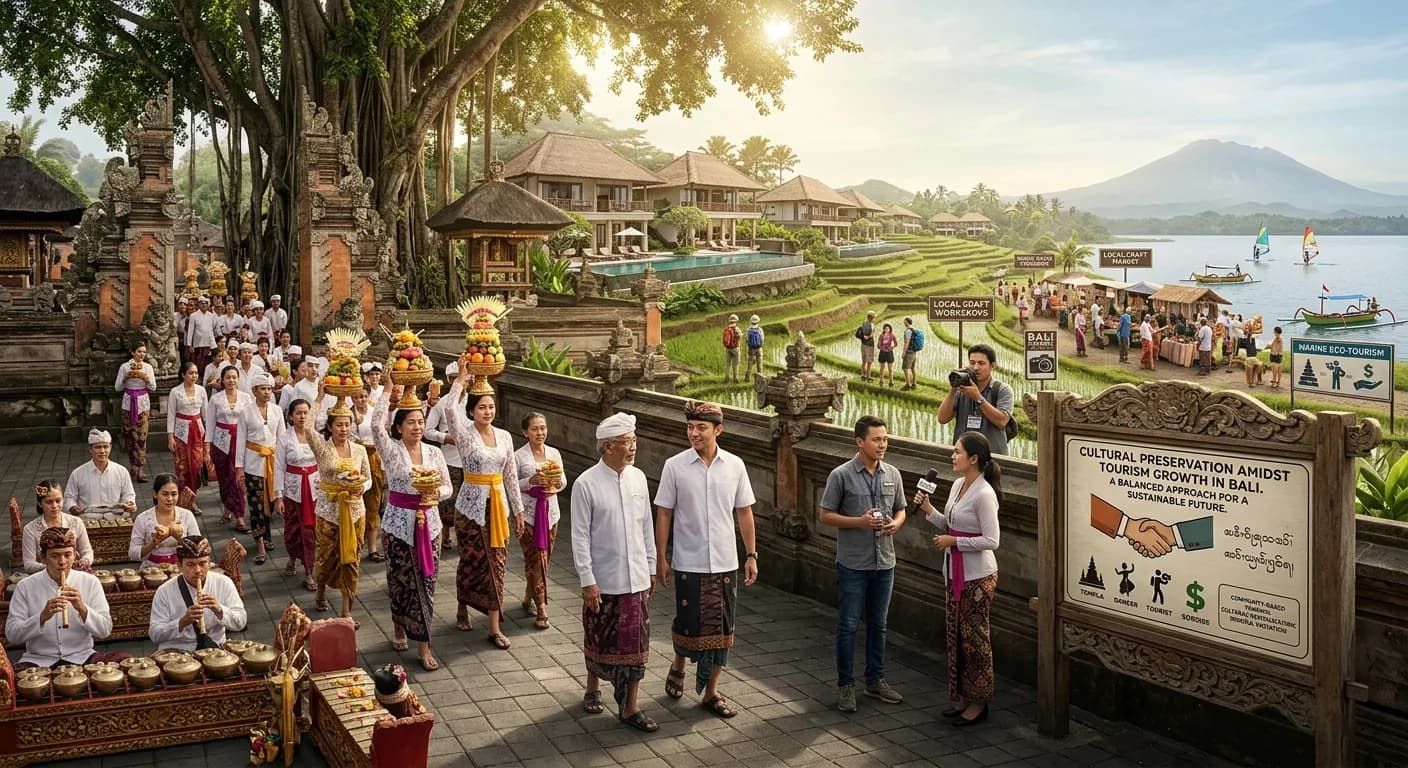
Bali, Indonesia, a name synonymous with paradise, is at a crossroads. The island's stunning beaches, terraced rice paddies, and vibrant spiritual traditions have long drawn the world's travelers. But a record-breaking surge in tourism is now raising a critical question: can Bali's unique cultural identity survive its own popularity?
According to the Bali Tourism Agency, the island welcomed over 6.3 million visitors in 2022, a dramatic rebound from the pandemic years and a significant increase from the previous year. While the economic windfall is undeniable, this influx has ignited a passionate debate among cultural experts, local communities, and government officials about the potential erosion of Balinese identity. The concern is most acute in popular hubs like Ubud and Seminyak, where ancient rituals and daily life are increasingly overshadowed by commercial interests.
“While economic benefits from tourism are undeniable, we must prioritize cultural preservation to ensure that future generations inherit the true essence of Bali,” said Dr. Nyoman Sujana, a cultural anthropologist at Udayana University in Denpasar. His words echo a growing sentiment that the island's soul is at stake, even as its economy flourishes.
Tradition vs. Commercialization
In Ubud, the cultural heart of Bali, the streets are lined with art galleries, yoga studios, and trendy cafes. But the traditional banjar, or community meeting halls, are increasingly being converted into commercial spaces. Similarly, Seminyak's once-quiet beaches are now dominated by beach clubs and luxury resorts, leaving little room for the ceremonies that have been held there for centuries.
“We are seeing a shift in priorities,” said Ketut Ariana, a local priest in Seminyak who has observed the changes over two decades. “The ceremonies are still held, but they are often squeezed between hotel check-ins and sunset cocktails. The sacredness is being diluted.”
The tension is not new. Bali has long balanced tourism and tradition, but the sheer scale of recent growth has intensified the pressure. The island's economy is heavily dependent on tourism, which accounts for a significant portion of its GDP. Yet, many residents feel that the benefits are not evenly distributed, and that the cultural costs are borne by the community.
Calls for Regulation
In response, local officials are exploring new policies to manage tourism more sustainably. One proposal involves regulating the types of activities permitted in culturally significant areas, such as temples and sacred sites. Another idea is to limit the number of visitors to certain locations, similar to measures adopted in other heritage destinations like Bhutan and Machu Picchu.
“We need to think beyond just numbers,” said Made Wirata, a member of the Bali Provincial Tourism Office. “We must consider the quality of tourism and the impact on our communities. It's not about closing our doors, but about managing the flow responsibly.”
Community involvement is central to these discussions. Local leaders are pushing for greater participation in decision-making processes, arguing that those who live with the daily realities of tourism should have a voice in shaping its future. This includes everything from zoning regulations to the design of new developments.
Balancing Growth and Heritage
The challenge is not unique to Bali. Many destinations around the world struggle with the dual pressures of economic development and cultural preservation. However, Bali's case is particularly poignant because its culture is not just a tourist attraction; it is a living, breathing way of life that permeates every aspect of daily existence.
Dr. Sujana believes that education is key. “We need to educate both tourists and locals about the importance of cultural sensitivity,” he said. “Tourists should understand that they are guests in a sacred land, and locals should be empowered to protect their heritage without feeling that they are missing out on economic opportunities.”
Some businesses are already leading by example. In Ubud, a number of hotels and restaurants have adopted policies that prioritize local culture, such as employing local artisans and using traditional architecture. These efforts, while commendable, are often piecemeal and lack the scale needed to make a significant impact.
Looking ahead, the future of Bali's cultural heritage will depend on the decisions made in the coming years. The island is at a tipping point, and the choices made now will determine whether it remains a vibrant cultural hub or becomes just another generic tourist destination.
For now, the conversation is ongoing. Public forums, academic conferences, and community meetings are being held across the island to discuss the way forward. The consensus is clear: economic growth and cultural preservation are not mutually exclusive, but they require careful planning and a shared vision.
As Dr. Sujana put it, “Bali is not just a place; it is a feeling, a philosophy. We owe it to our ancestors and to our children to ensure that this feeling is not lost in the rush for progress.”
The world is watching. If Bali can find a balance, it could serve as a model for other destinations facing similar challenges. If not, the island may lose the very essence that makes it so special.

Read Also from Other Categories

Emerging Trends in Bali's Adventure Tourism: Thrilling New Experiences Await
Bali's adventure tourism sector is rapidly evolving, offering visitors thrilling experiences that go beyond traditional attractions. From canyoning in Ubud to zip-lining in Gianyar, the island is becoming a hub for adrenaline seekers and nature enthusiasts alike.

Local Farmers Rally for Support Amid Bali's Agricultural Policy Shift
As Bali's provincial government implements new agricultural policies, local farmers express concerns over their livelihoods. The shift aims to modernize practices but raises questions about sustainability and community impact.

Investors Shift Focus to Bali's Innovative Aquaculture Ventures in 2023
Bali's aquaculture sector has seen a remarkable 35% increase in investment this year, attracting both local and international funding. The surge is driven by a growing demand for sustainable seafood and innovative farming techniques.

Canggu Residents Alarmed by Rising Incidents of Coastal Erosion
As Canggu's picturesque coastline faces increasing erosion, local residents and businesses express urgent concerns. The ongoing erosion threatens homes, livelihoods, and the area's renowned tourism appeal.
Community-Led Initiatives Foster Urban Infrastructure Growth in Denpasar
Residents of Denpasar are taking the lead in improving urban infrastructure through collaborative projects. Local government support amplifies these initiatives, aiming to enhance the city's livability amidst rapid urbanization.
Bali's New Career Hub: Empowering Local Job Seekers with Innovative Training
Bali's job seekers are gaining new opportunities through a strategic partnership between local businesses and vocational training centers. This initiative aims to equip the workforce with essential skills to meet the demands of a rapidly changing job market.
Comments (0)
No comments yet. Be the first!