Canggu's Digital Nomads: A New Wave of Cultural Exchange
Canggu has emerged as a hotspot for digital nomads, transforming the local economy and culture. As remote workers flock to this Balinese paradise, the implications for both residents and visitors become increasingly complex.
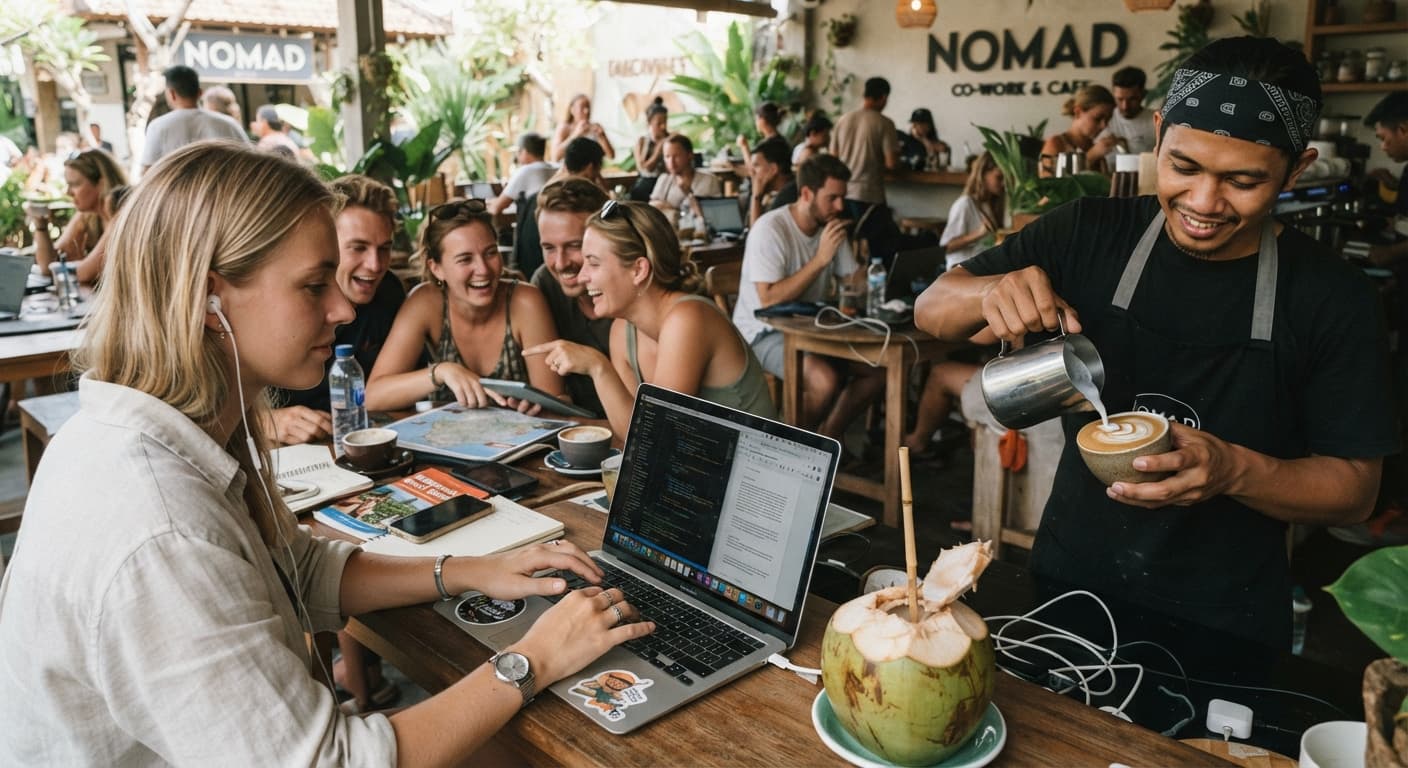
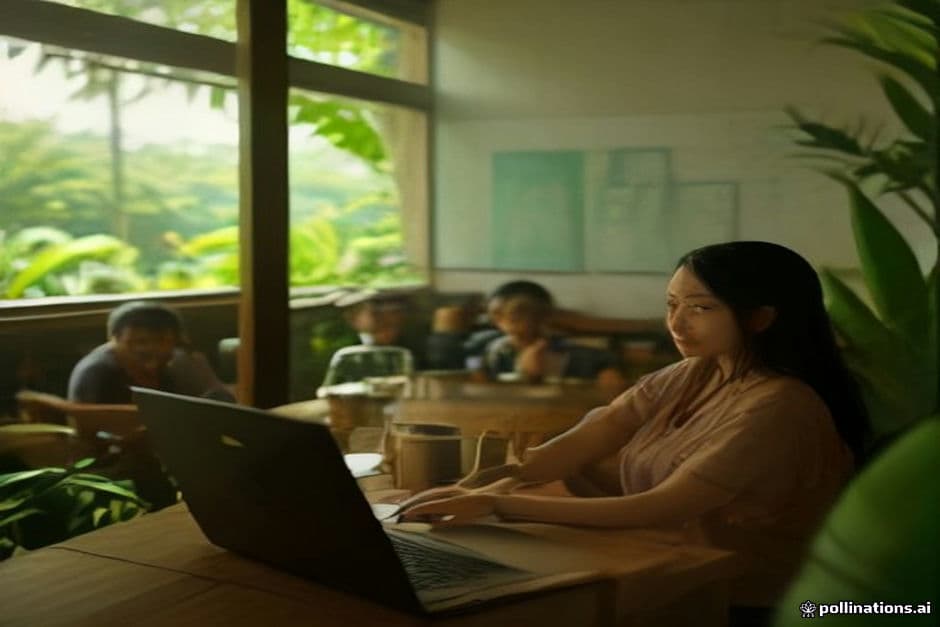
On a sunny afternoon in Canggu, the bustling streets are alive with the sounds of clinking coffee cups and the chatter of diverse languages. At a popular co-working space, a young woman from Germany types furiously on her laptop, her fingers dancing across the keys as she sips a coconut water. A few tables over, a group of Australians discusses their latest travel plans, while an Indonesian barista expertly crafts a latte, adding a delicate heart shape with foam.
This scene is emblematic of a broader trend sweeping across Bali, where the influx of digital nomads is reshaping the cultural and economic landscape. With more professionals choosing to work remotely, Canggu has become a magnet for those seeking a blend of work and leisure. The local economy is reaping the benefits, but the social dynamics are evolving in ways that raise important questions about cultural exchange and sustainability.
The rise of digital nomadism in Canggu is not merely a result of the pandemic-induced shift to remote work; it is also a reflection of changing attitudes towards work-life balance. According to local business owners, the number of co-working spaces has doubled in the last two years, catering to a growing clientele eager to escape the confines of traditional office life.
“We’ve seen a significant increase in demand for flexible workspaces,” says Made Putra, owner of a popular co-working venue. “It’s not just about having a place to work; it’s about being part of a community.” This sense of community is a double-edged sword; while it fosters networking and collaboration, it can also lead to tensions between long-term residents and short-term visitors.
The cultural exchange facilitated by this influx of remote workers is undeniable. Locals are being exposed to new ideas, trends, and business practices, which can enrich the community. However, there are concerns that this exchange is becoming one-sided. Many locals feel that the presence of digital nomads is driving up prices and altering the character of their neighborhoods.
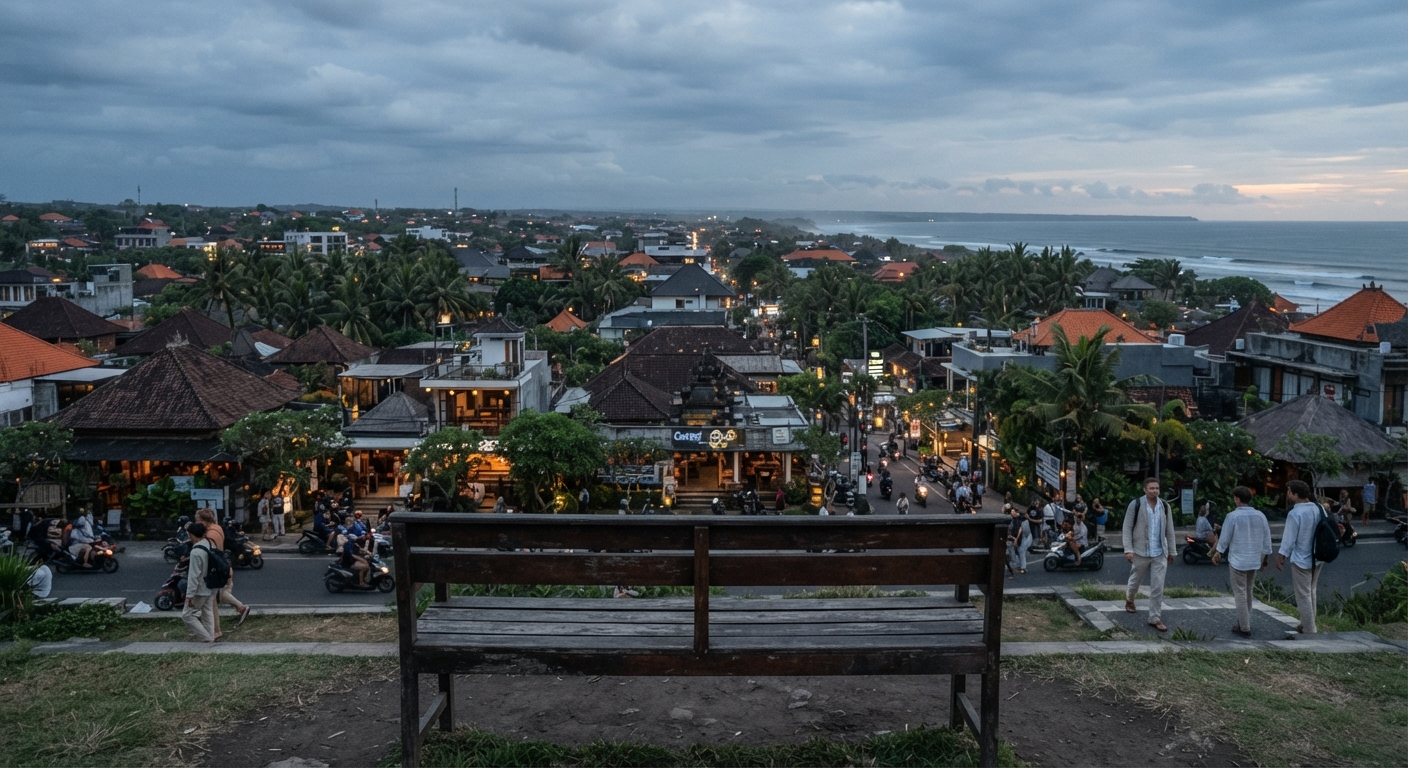
“We’ve noticed that the cost of living has increased significantly in the past year,” explains Wayan Sari, a resident of Canggu and a small business owner. “While we welcome tourists, we also want to maintain our way of life. It’s a delicate balance.”
Furthermore, the type of tourism that digital nomads bring is often different from traditional holidaymakers. They tend to stay longer, often for months at a time, and their spending habits can differ significantly. While they may dine at local restaurants and shop at markets, they also frequent higher-end establishments, which can lead to a disconnect with the local economy.
The Balinese government has recognized this trend and is beginning to adapt its policies to accommodate the changing landscape. Initiatives aimed at promoting sustainable tourism and supporting local businesses are being introduced, but implementation remains a challenge.
“We are working on creating a framework that benefits both tourists and locals,” says I Nyoman Sujaya, head of the Bali Tourism Board. “It’s essential to find a way to integrate digital nomads into our economy while preserving our culture and community.”

As Canggu continues to evolve, the dialogue between locals and newcomers is more important than ever. The potential for mutual benefit exists, but it requires a commitment to understanding and respecting each other’s perspectives. Initiatives that encourage collaboration between digital nomads and the local community, such as workshops and cultural exchange programs, could pave the way for a more harmonious coexistence.
Looking forward, the challenge will be to harness the benefits of this trend while mitigating its downsides. As more remote workers settle in Bali, it is critical to ensure that the cultural fabric of the island remains intact. This could mean advocating for policies that prioritize local employment and resources, ensuring that the digital nomad phenomenon does not come at the cost of the very culture that draws them here.
Canggu stands at a crossroads, where the old meets the new, and the potential for vibrant cultural exchange exists. The outcome will depend on the choices made today by both locals and those who choose to call this beautiful island home, even if just for a little while.



Read Also from Other Categories

Exploring Bali's Thriving Community-Based Tourism Initiatives
Bali is witnessing a significant rise in community-based tourism initiatives that are enhancing local engagement and visitor experiences. This trend, driven by local artisans and sustainable practices, is reshaping the tourism landscape across the island.

Jakarta's Expansion Plans Prompt Bali's Government to Rethink Land Policies
As Jakarta prepares for significant urban expansion, Bali's provincial government faces pressure to update its land use regulations. This shift aims to balance development with preservation amidst concerns from local communities.

Bali's Insurance Tech Startups Attract Major Investments Amid Global Trends
Bali's insurance technology sector is rapidly gaining traction, with several startups securing significant funding in 2023. Investors are drawn to innovative solutions addressing local and global insurance challenges, signaling a shift in the investment landscape.
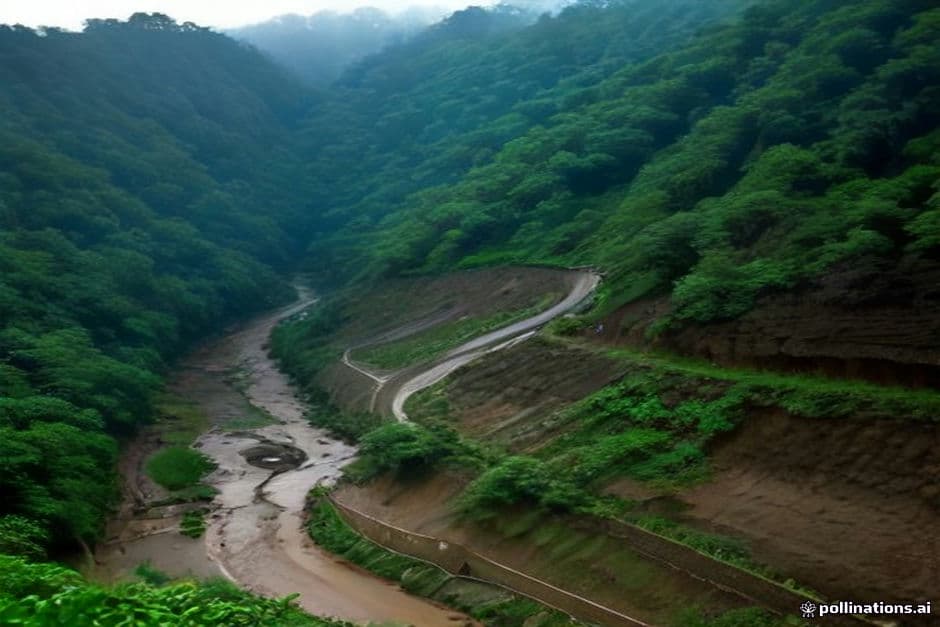
Increased Landslide Risks Challenge Bali's Remote Villages
As heavy rains persist in Bali, remote villages face heightened risks of landslides, prompting local authorities to issue safety alerts. Community leaders are calling for urgent measures to enhance infrastructure and emergency response capabilities.
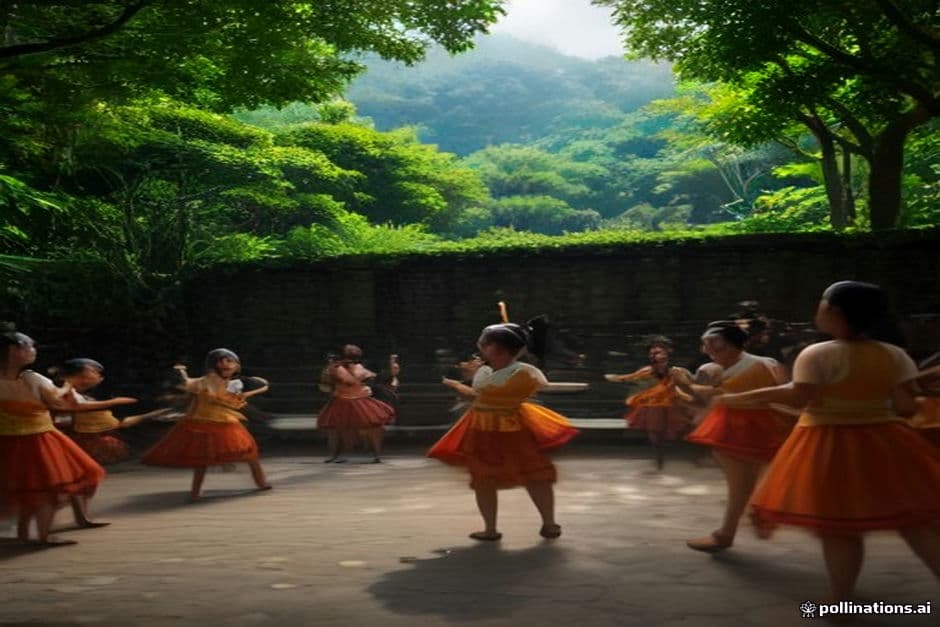
Cultural Education Program Revitalizes Local Traditions in Bali Schools
A new initiative launched by Bali's education department aims to integrate local culture into school curriculums across the island. This program seeks to instill pride in Balinese heritage among the youth, fostering a deeper connection to their roots.
Job Market Transformation: Bali's Shift to Remote Work Opportunities
Bali's job market is evolving, with remote work opportunities surging by 30% in the past year. This trend is reshaping employment patterns and attracting a diverse talent pool to the island.
Comments (0)
No comments yet. Be the first!