Bali's Infrastructure Investment: A Boon for Travelers and Investors Alike
Bali's significant investment in infrastructure is essential for sustainable tourism and economic growth.
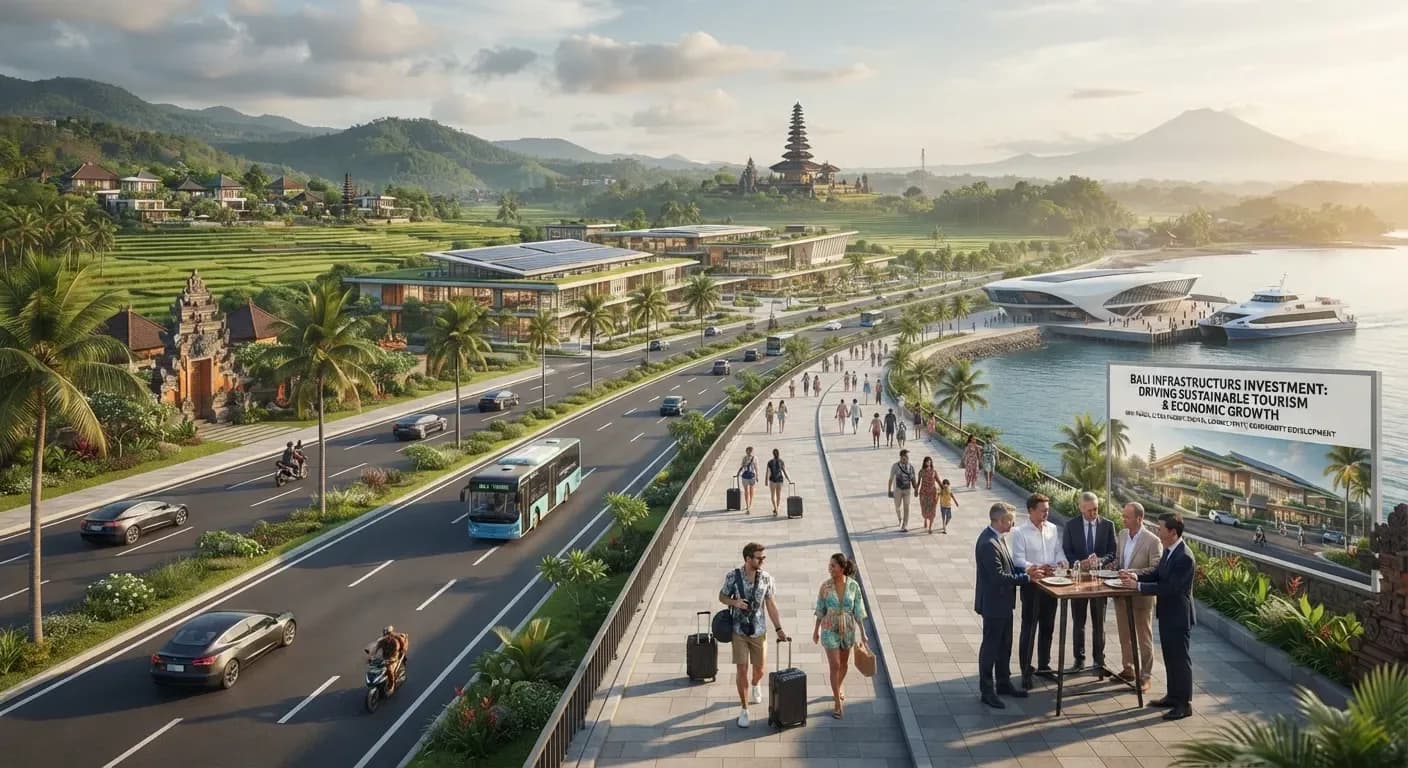
As Bali embarks on a comprehensive infrastructure overhaul, the implications for both travelers and investors are profound and multifaceted. The island's simultaneous investments in waste-to-energy systems, clean power initiatives, and enhanced transport networks underscore a shift in priorities, positioning infrastructure spending not merely as an option but as an economic necessity. With tourism being a cornerstone of Bali's economy, these developments promise to reshape the very fabric of the island's appeal.
Who stands to benefit from this ambitious infrastructure agenda? The answer is twofold: the millions of tourists who flock to Bali each year, and the myriad investors who see potential in a more sustainable and efficient environment. The local government, recognizing the urgent need to address environmental challenges while bolstering the tourism sector, has initiated projects aimed at transforming waste management and energy consumption, which are critical in a region grappling with the pressures of mass tourism.
At the heart of this initiative is the waste-to-energy project, which aims to tackle Bali's mounting waste crisis while generating renewable energy. Currently, Bali produces approximately 3,000 tons of waste daily, a figure that has strained the island’s existing waste management systems. The introduction of waste-to-energy facilities not only addresses the disposal issue but also provides a cleaner energy source that can power local communities and businesses. This transition to renewable energy is paramount for attracting investors who prioritize sustainability.
In tandem with waste management, clean energy projects are gaining traction. The Indonesian government has set ambitious targets for renewable energy, aiming to achieve 23% of total energy consumption from renewables by 2025. Bali's commitment to this goal is evident in various solar and wind energy projects currently in development. These initiatives not only promise to reduce dependency on fossil fuels but also enhance the island's attractiveness as a destination for eco-conscious travelers and investors alike.
Moreover, the transport infrastructure in Bali is seeing significant upgrades, including the expansion of road networks and improvements in public transport systems. For travelers, these enhancements translate into reduced congestion and improved accessibility to popular destinations across the island. The ongoing construction of new roads and public transport services, such as a planned monorail system, aims to ease traffic woes that have plagued the island for years, making travel more seamless and enjoyable.
However, these improvements are not without their challenges. Critics have raised concerns about the potential environmental impact of construction projects, fearing that rapid development could compromise the very natural beauty that draws tourists in the first place. To address these concerns, local authorities must ensure that infrastructure projects adhere to strict environmental standards, aiming for a balance between development and conservation.
One of the most pressing issues is the need for community engagement throughout the development process. As infrastructure projects unfold, it is crucial that local communities are consulted and involved in decision-making. This approach fosters a sense of ownership and ensures that the benefits of infrastructure improvements are equitably distributed, thus preventing social tensions that may arise from unequal access to new resources and opportunities.
As Bali’s infrastructure evolves, the economic landscape of the island is poised for transformation. For investors, the potential for returns is significant, particularly in the realm of sustainable tourism and green energy initiatives. The growing global emphasis on eco-friendly practices positions Bali as a prime candidate for investment in these sectors, making it an attractive destination for those looking to capitalize on the burgeoning demand for sustainable travel experiences.
In conclusion, Bali's infrastructure push represents a critical juncture for both travelers and investors. By prioritizing sustainability and efficiency, the island not only addresses the immediate challenges posed by mass tourism but also lays the groundwork for long-term economic growth. As these projects come to fruition, stakeholders must remain vigilant, ensuring that the benefits extend beyond mere profit, fostering a resilient and sustainable future for Bali and its people.


Read Also from Other Categories

Emerging Trends in Bali's Adventure Tourism: Thrilling New Experiences Await
Bali's adventure tourism sector is rapidly evolving, offering visitors thrilling experiences that go beyond traditional attractions. From canyoning in Ubud to zip-lining in Gianyar, the island is becoming a hub for adrenaline seekers and nature enthusiasts alike.

Local Farmers Rally for Support Amid Bali's Agricultural Policy Shift
As Bali's provincial government implements new agricultural policies, local farmers express concerns over their livelihoods. The shift aims to modernize practices but raises questions about sustainability and community impact.

Investors Shift Focus to Bali's Innovative Aquaculture Ventures in 2023
Bali's aquaculture sector has seen a remarkable 35% increase in investment this year, attracting both local and international funding. The surge is driven by a growing demand for sustainable seafood and innovative farming techniques.

Canggu Residents Alarmed by Rising Incidents of Coastal Erosion
As Canggu's picturesque coastline faces increasing erosion, local residents and businesses express urgent concerns. The ongoing erosion threatens homes, livelihoods, and the area's renowned tourism appeal.

Community-Led Initiatives Foster Urban Infrastructure Growth in Denpasar
Residents of Denpasar are taking the lead in improving urban infrastructure through collaborative projects. Local government support amplifies these initiatives, aiming to enhance the city's livability amidst rapid urbanization.
Bali's New Career Hub: Empowering Local Job Seekers with Innovative Training
Bali's job seekers are gaining new opportunities through a strategic partnership between local businesses and vocational training centers. This initiative aims to equip the workforce with essential skills to meet the demands of a rapidly changing job market.
Comments (0)
No comments yet. Be the first!