Bali's Cultural Heritage: Navigating Modernity and Tradition
As Bali embraces modernization, the tension between preserving cultural heritage and adapting to contemporary demands grows. This article explores the societal implications and policy discussions surrounding this critical issue.

Bali, known for its rich cultural tapestry woven from centuries of tradition, faces a critical juncture as modernization sweeps across the island. The clash between maintaining its unique cultural identity and adapting to the fast-paced demands of tourism and urban development has sparked intense discussions among locals, policymakers, and cultural experts.
In recent years, Bali has seen an influx of international visitors, with over 6 million tourists arriving in 2022 alone, according to the Bali Tourism Agency. This surge in visitors has led to rapid development, particularly in popular areas such as Seminyak and Canggu, where traditional rice fields have been replaced by luxury villas and trendy cafes. As the island transforms, many locals worry about the erosion of their cultural heritage.
One of the most pressing issues is the commercialization of Balinese rituals and festivals. Traditional ceremonies, which were once intimate community gatherings, now often attract tourists eager to capture the perfect photograph. This phenomenon raises questions about authenticity and the true purpose of these age-old practices. Cultural anthropologist Dr. Nyoman Suyasa argues, "When rituals become spectacles for tourists, their original significance can be lost, leading to a dilution of our cultural identity."
Furthermore, urban development has sparked debates over land use and property rights. The provincial government has implemented zoning regulations to protect cultural sites, yet enforcement remains a challenge. Many local families find themselves unable to afford the rising costs of living as property values soar, forcing them to sell ancestral lands. This displacement not only threatens their economic stability but also undermines the generational knowledge that has preserved Bali's cultural practices.
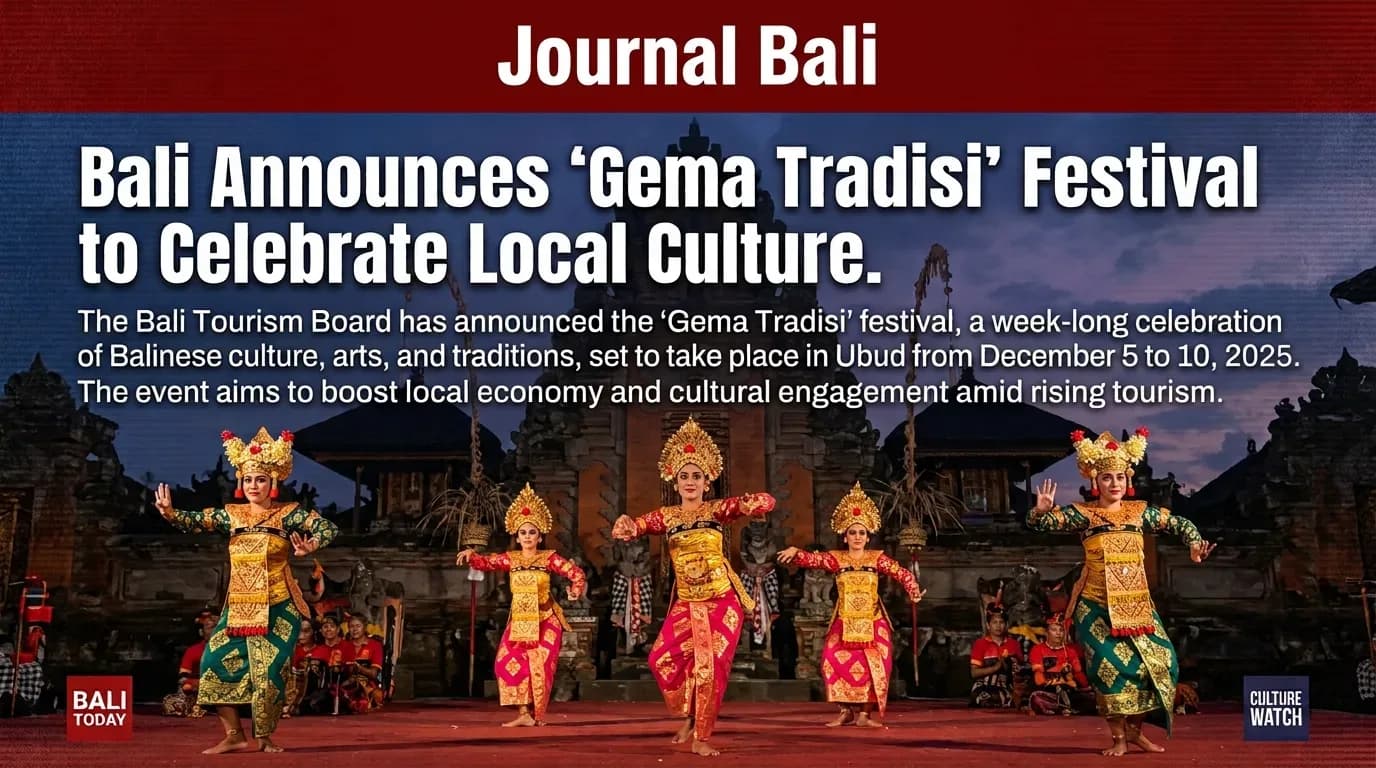
In response to these challenges, community organizations have begun advocating for policies that prioritize cultural preservation alongside economic growth. The Bali Cultural Heritage Agency has launched initiatives aimed at raising awareness about the importance of preserving traditional arts and crafts. Workshops, exhibitions, and cultural festivals are being organized to engage both locals and tourists, fostering a deeper appreciation for Balinese heritage.
Moreover, educational institutions like Udayana University are integrating cultural studies into their curricula, encouraging students to explore the complexities of modernization and tradition. As these students step into roles as future leaders, their understanding of Balinese culture will be crucial in shaping policies that respect and protect their heritage.
However, the path forward is fraught with challenges. The allure of economic gain often overshadows the need for cultural conservation. Developers continue to propose projects that promise increased tourism revenue, which can lead to a cycle of neglect for cultural sites and practices. Local activists, such as the Bali Cultural Preservation Forum, have emerged to challenge these developments, advocating for a balanced approach that honors both economic sustainability and cultural integrity.

Despite the ongoing tensions, there remains a growing movement among younger generations who are passionate about preserving their cultural identity. Social media platforms have become powerful tools for these advocates, allowing them to share their stories and mobilize support. Campaigns highlighting the importance of traditional ceremonies and local craftsmanship are gaining traction, demonstrating that there is a significant desire among Balinese youth to reconnect with their roots.
Ultimately, the future of Bali's cultural heritage lies in the hands of its people. As they navigate the pressures of modernization, it is essential for local communities to engage in dialogues with government officials and developers. Policymakers must recognize the intrinsic value of cultural heritage and work collaboratively to create sustainable solutions that benefit both the economy and the preservation of Balinese identity.
In conclusion, the tension between modernization and cultural preservation in Bali is a microcosm of broader global challenges. As the island continues to evolve, it is imperative to approach development with a sense of responsibility toward its rich heritage. Only through thoughtful engagement and proactive policies can Bali truly thrive, ensuring that its cultural identity remains vibrant for generations to come.

Read Also from Other Categories

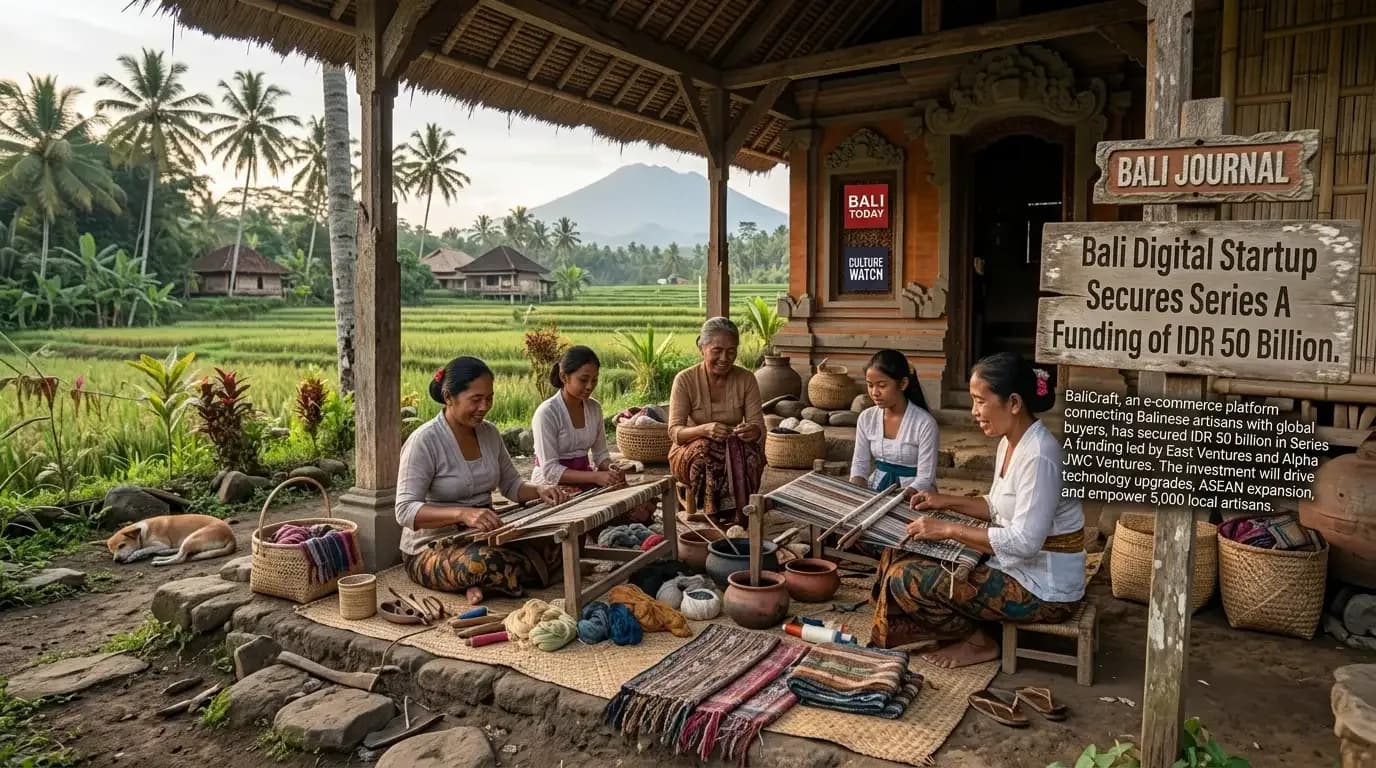
Exploring Bali's Thriving Community-Based Tourism Initiatives
Bali is witnessing a significant rise in community-based tourism initiatives that are enhancing local engagement and visitor experiences. This trend, driven by local artisans and sustainable practices, is reshaping the tourism landscape across the island.

Jakarta's Expansion Plans Prompt Bali's Government to Rethink Land Policies
As Jakarta prepares for significant urban expansion, Bali's provincial government faces pressure to update its land use regulations. This shift aims to balance development with preservation amidst concerns from local communities.

Bali's Insurance Tech Startups Attract Major Investments Amid Global Trends
Bali's insurance technology sector is rapidly gaining traction, with several startups securing significant funding in 2023. Investors are drawn to innovative solutions addressing local and global insurance challenges, signaling a shift in the investment landscape.
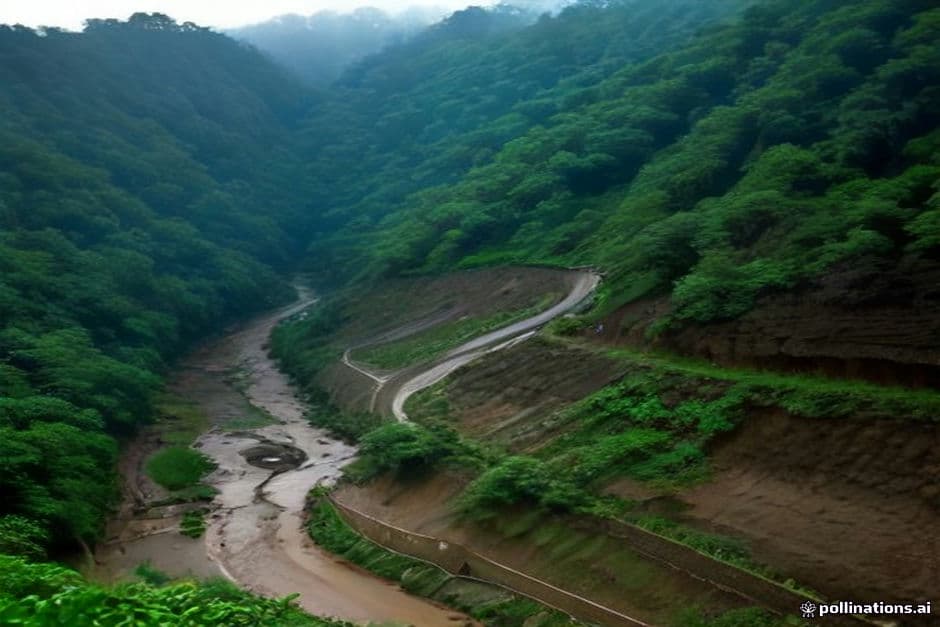
Increased Landslide Risks Challenge Bali's Remote Villages
As heavy rains persist in Bali, remote villages face heightened risks of landslides, prompting local authorities to issue safety alerts. Community leaders are calling for urgent measures to enhance infrastructure and emergency response capabilities.
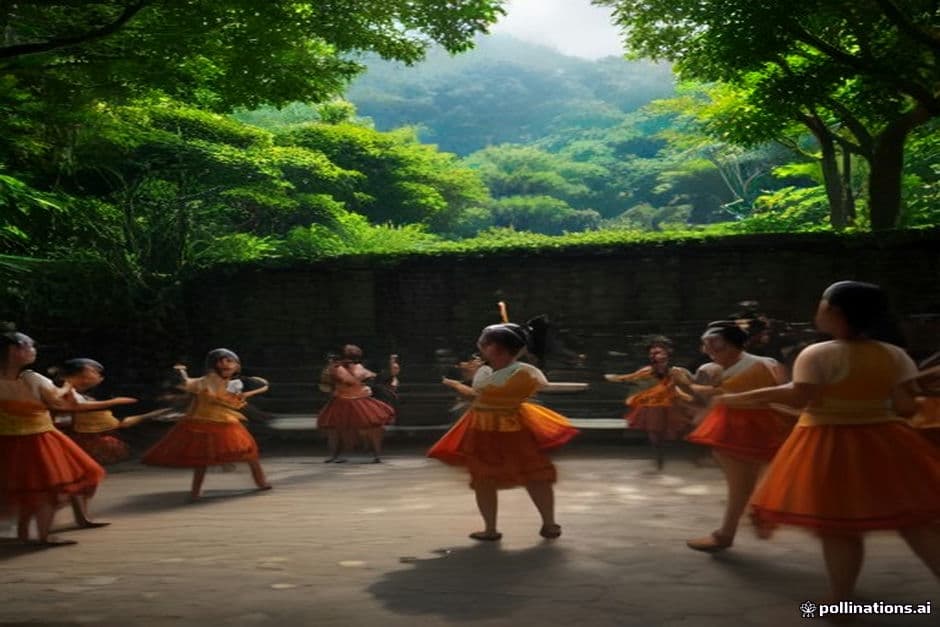
Cultural Education Program Revitalizes Local Traditions in Bali Schools
A new initiative launched by Bali's education department aims to integrate local culture into school curriculums across the island. This program seeks to instill pride in Balinese heritage among the youth, fostering a deeper connection to their roots.

Job Market Transformation: Bali's Shift to Remote Work Opportunities
Bali's job market is evolving, with remote work opportunities surging by 30% in the past year. This trend is reshaping employment patterns and attracting a diverse talent pool to the island.
Comments (0)
No comments yet. Be the first!