Bali Faces Flood Crisis Amid Rapid Development and Environmental Concerns
Recent floods in Bali have caused significant damage, raising alarms about unchecked development and environmental degradation.
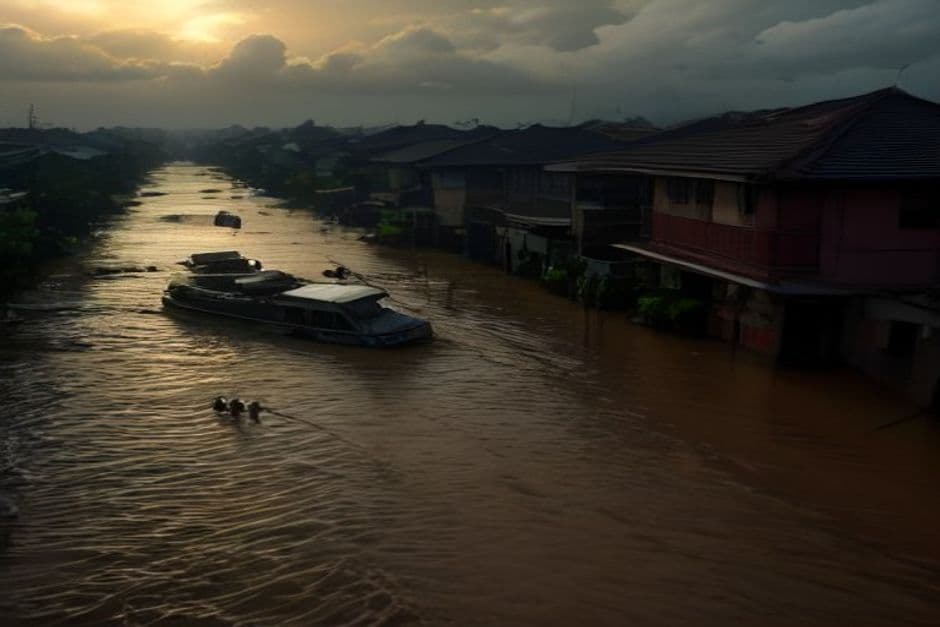
In a stark reminder of the environmental challenges facing Bali, the island recently experienced catastrophic flooding that resulted in at least 17 fatalities and substantial economic losses estimated at Rp 28.9 billion (approximately $1.7 million). The floods, which swept through Denpasar and six other regencies, including popular tourist destinations like Gianyar and Badung, have reignited discussions on the impacts of rapid urbanization and inadequate land management practices.
The torrential rains that triggered the flooding paralyzed transportation, submerged buildings, and forced the evacuation of tourists, drawing widespread attention to the island's struggling infrastructure. According to the Bali Disaster Mitigation Agency, the flooding affected over 120 areas, underscoring the vulnerability of Bali's urban landscape to extreme weather events. This incident is not an isolated occurrence; it highlights a growing pattern of environmental crises exacerbated by human activity.
Over the past two decades, Bali has transformed dramatically, with tourist hubs rapidly emerging across the southern regions of the island. The once serene landscapes of Ubud, famous for its lush rice fields, have been overtaken by a surge in commercial development, including villas and restaurants. Activists argue that the reckless conversion of agricultural land into urban spaces has significantly diminished the island's natural capacity to absorb rainfall, increasing the risk of flooding.
Data from the Indonesian Forum for the Environment (Walhi) indicates that land conversion rates in Tabanan, Badung, Gianyar, and Denpasar have ranged between 3 and 6 percent annually from 2018 to 2023. This relentless development has not only altered the physical landscape but has also compromised the ecological integrity of the region, leading to increased flooding and environmental degradation.
In addition to the issues of land conversion, Bali grapples with a long-standing waste management crisis. The accumulation of rubbish in rivers and drainage systems exacerbates flooding during heavy rains, as clogged waterways hinder proper drainage. Authorities have been criticized for their failure to address these systemic issues effectively.
Initially, Bali Governor I Wayan Koster downplayed the role of land conversion in the flooding crisis. However, mounting public pressure and criticism from the central government forced him to announce a ban on new hotels, restaurants, and commercial facilities on productive agricultural land, particularly rice fields. This decision reflects a shifting recognition of the need to prioritize environmental sustainability in development planning.
The rise in foreign tourist arrivals since the island reopened after the pandemic has further complicated the situation. Statistics from Statistics Indonesia (BPS) reveal that approximately 5.2 million foreign visitors came to Bali from January to October last year, accounting for 45 percent of the nation's total foreign arrivals during that period. While tourism is a vital economic driver, the accompanying increase in congestion, waste, and environmental strain poses significant risks to the island's cultural heritage and natural beauty.
In response to growing concerns about overtourism and its impact on the environment, the Bali administration had previously proposed a moratorium on new hotels and nightclubs in key areas. However, this initiative failed to materialize, highlighting a lack of decisive action from authorities. The recurring flooding incidents in Kuta and Seminyak, where the Mati River frequently overflows into formerly agricultural zones now populated by hotels and villas, serve as a cautionary tale about the consequences of inadequate planning.
Moving forward, Bali's leadership must adopt a more comprehensive approach to development control, integrating long-term strategies for flood prevention, drainage enhancement, and the restoration of natural waterways and watersheds. While temporary bans on new developments may provide immediate relief, they must be accompanied by lasting solutions that protect the island's environment and cultural essence.
Ultimately, tourists flock to Bali for its natural beauty, not to navigate floodwaters or be rescued from inundated streets. Preserving the island's paradise-like qualities demands a collaborative effort from government bodies, local communities, and the tourism sector to safeguard its future.

Read Also from Other Categories

Emerging Trends in Bali's Adventure Tourism: Thrilling New Experiences Await
Bali's adventure tourism sector is rapidly evolving, offering visitors thrilling experiences that go beyond traditional attractions. From canyoning in Ubud to zip-lining in Gianyar, the island is becoming a hub for adrenaline seekers and nature enthusiasts alike.

Local Farmers Rally for Support Amid Bali's Agricultural Policy Shift
As Bali's provincial government implements new agricultural policies, local farmers express concerns over their livelihoods. The shift aims to modernize practices but raises questions about sustainability and community impact.

Investors Shift Focus to Bali's Innovative Aquaculture Ventures in 2023
Bali's aquaculture sector has seen a remarkable 35% increase in investment this year, attracting both local and international funding. The surge is driven by a growing demand for sustainable seafood and innovative farming techniques.

Canggu Residents Alarmed by Rising Incidents of Coastal Erosion
As Canggu's picturesque coastline faces increasing erosion, local residents and businesses express urgent concerns. The ongoing erosion threatens homes, livelihoods, and the area's renowned tourism appeal.

Community-Led Initiatives Foster Urban Infrastructure Growth in Denpasar
Residents of Denpasar are taking the lead in improving urban infrastructure through collaborative projects. Local government support amplifies these initiatives, aiming to enhance the city's livability amidst rapid urbanization.
Bali's New Career Hub: Empowering Local Job Seekers with Innovative Training
Bali's job seekers are gaining new opportunities through a strategic partnership between local businesses and vocational training centers. This initiative aims to equip the workforce with essential skills to meet the demands of a rapidly changing job market.
Comments (0)
No comments yet. Be the first!